Hidden Science of Everyday Life
The invisible biology, chemistry, and physics quietly shaping ordinary life.
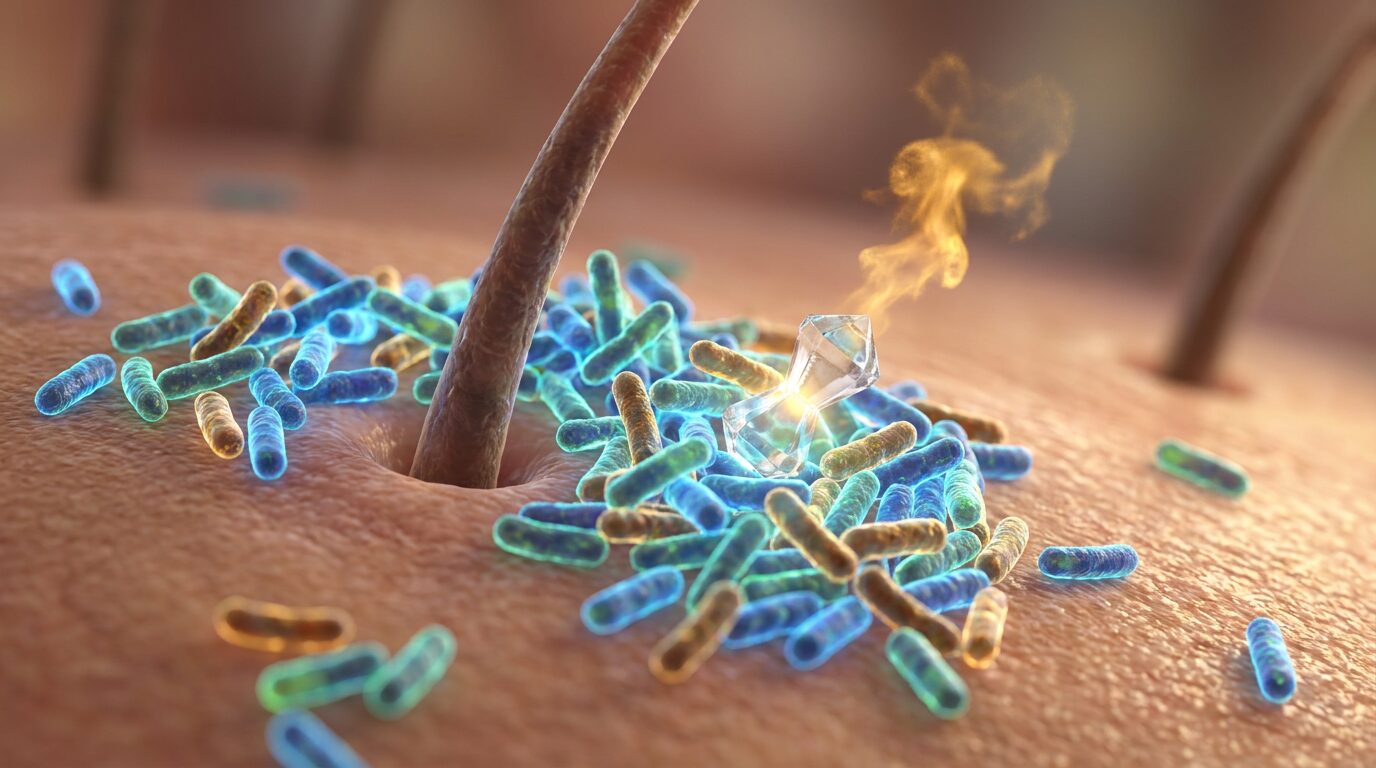
How One Bacterial Gene Decides Whether You'll Ever Smell
Scientists have now mapped the complete molecular assembly line inside Staphylococcus hominis — and the switch that shuts it off entirely in some people sits not in the bacteria, but in your own DNA.
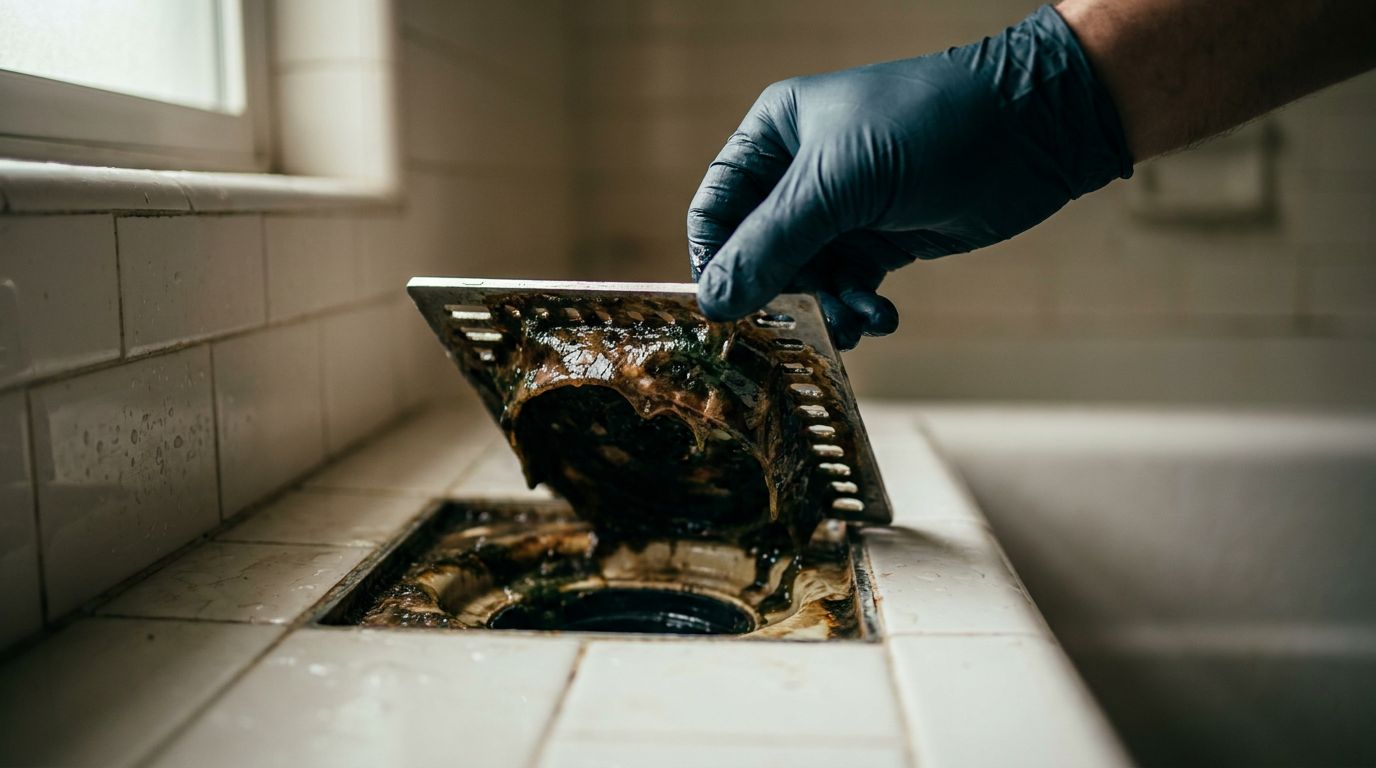
The Slime You Scrubbed Off the Drain Came Back. That's the Point.
New research shows that household cleaning kills the bacteria inside a biofilm while leaving its scaffold intact — which means the colony doesn't die, it just takes a short nap.
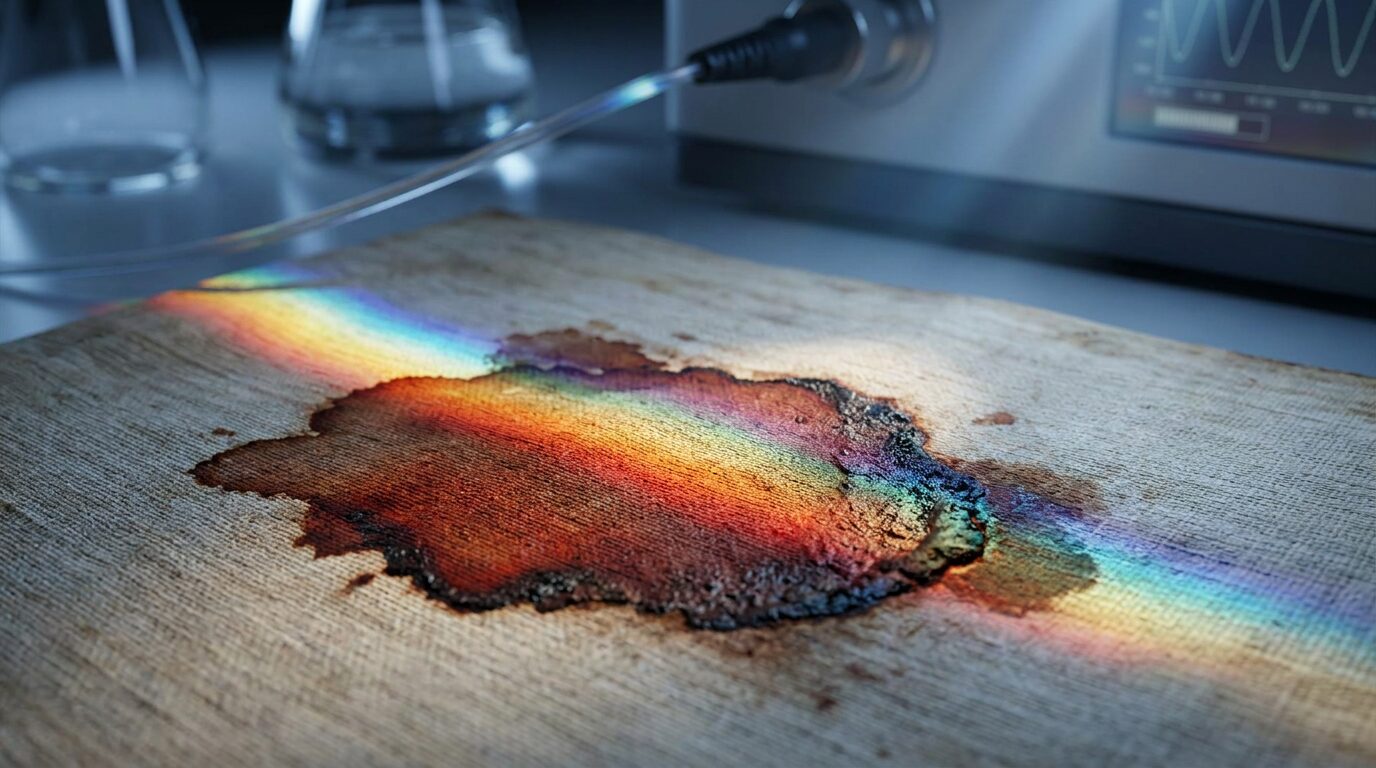
Your Blood Tells Time. Scientists Are Learning to Read It.
A bloodstain isn't just evidence of violence — it's a chemical clock quietly ticking through a sequence of molecular changes, and new spectroscopic techniques are finally precise enough to read it.
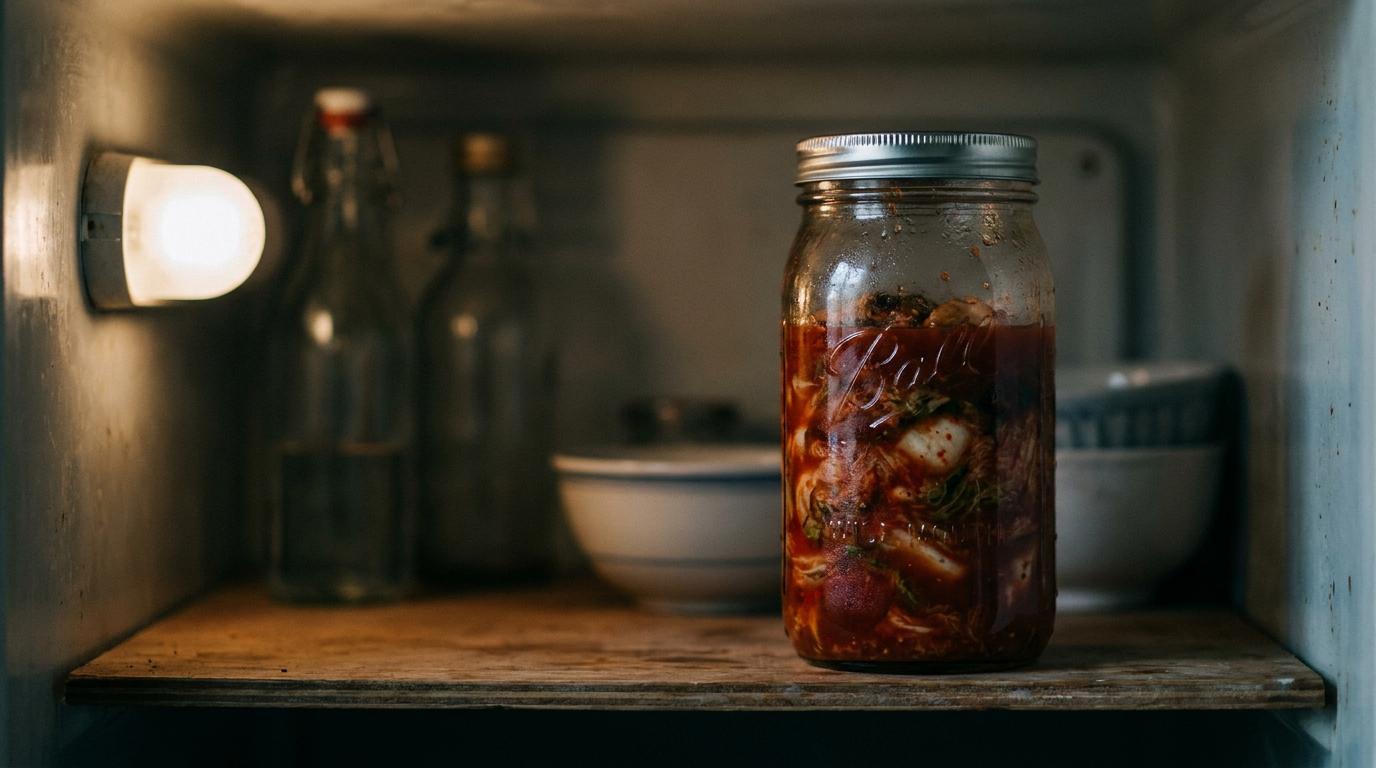
The Kimchi in Your Fridge Is Running a Living Ecosystem That Shifts with the Seasons
A new study reveals that fermented food microbiomes don't drift gradually — they snap between distinct ecological states, and the season your kimchi was made might matter more than your recipe.
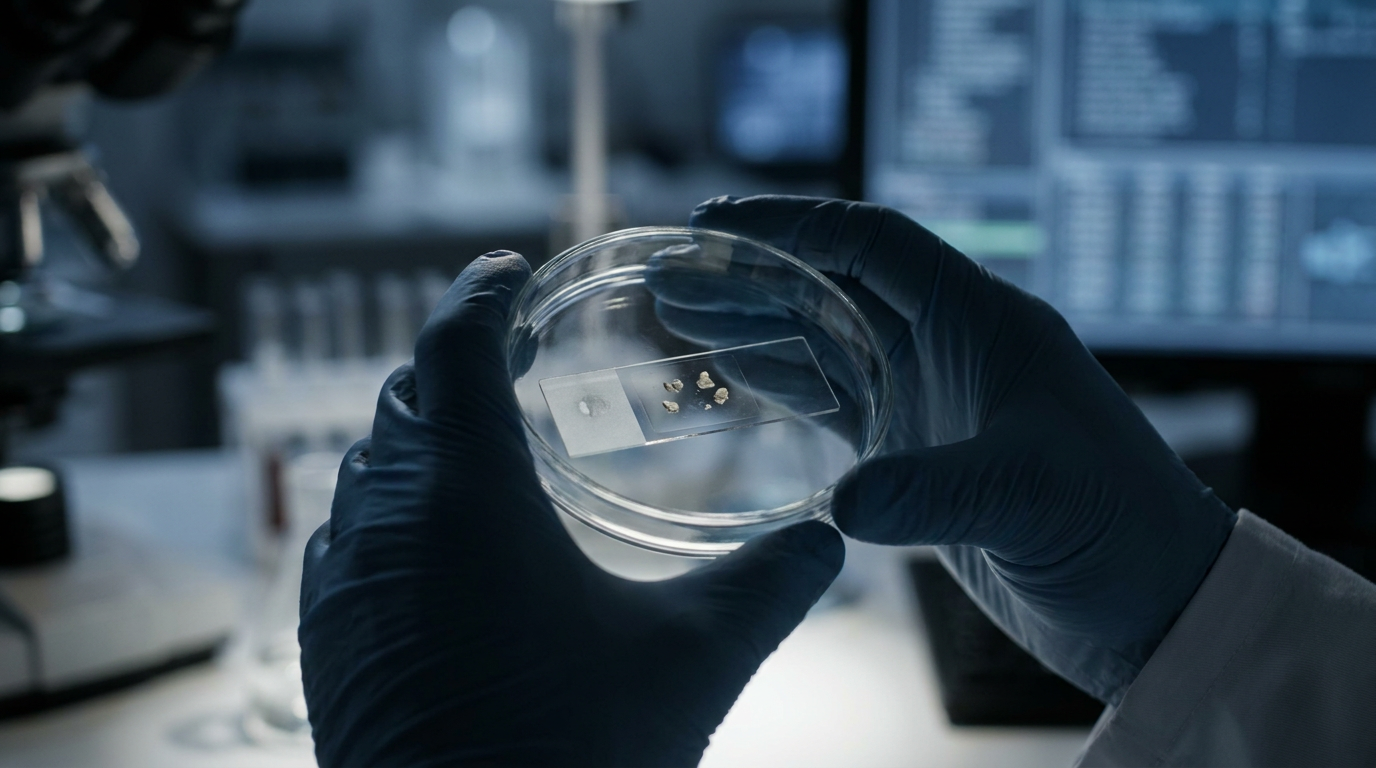
Your Brain Now Contains a Spoonful of Plastic. We Don't Know What It's Doing.
A landmark study found microplastics concentrating in human brain tissue at startling levels — and the question of what they're doing there may be the most important unanswered problem in modern medicine.
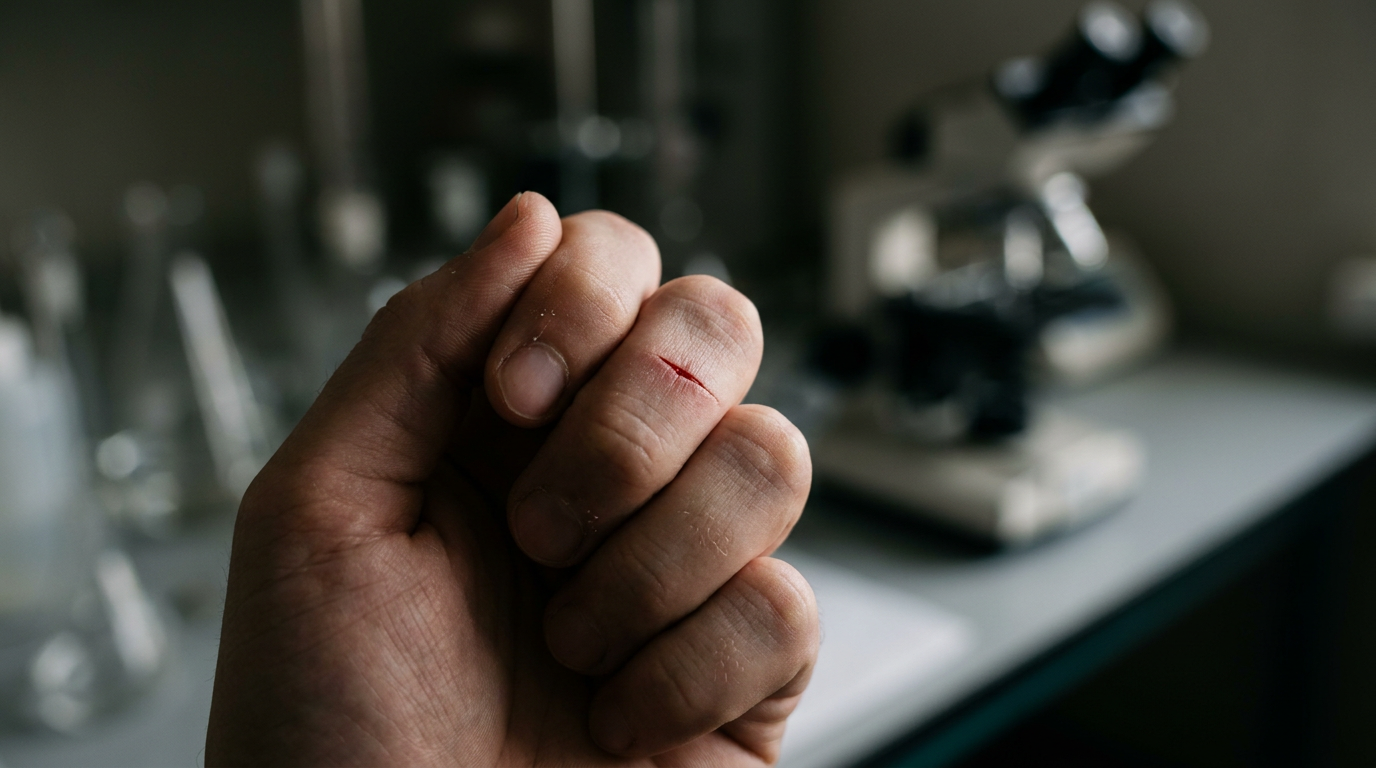
When You Cut Yourself, Your Gut Microbiome Changes. Here's the Exact Mechanism.
Researchers traced a single molecular signal from broken skin all the way to the colon, and what it does to gut bacteria there is not what anyone expected.
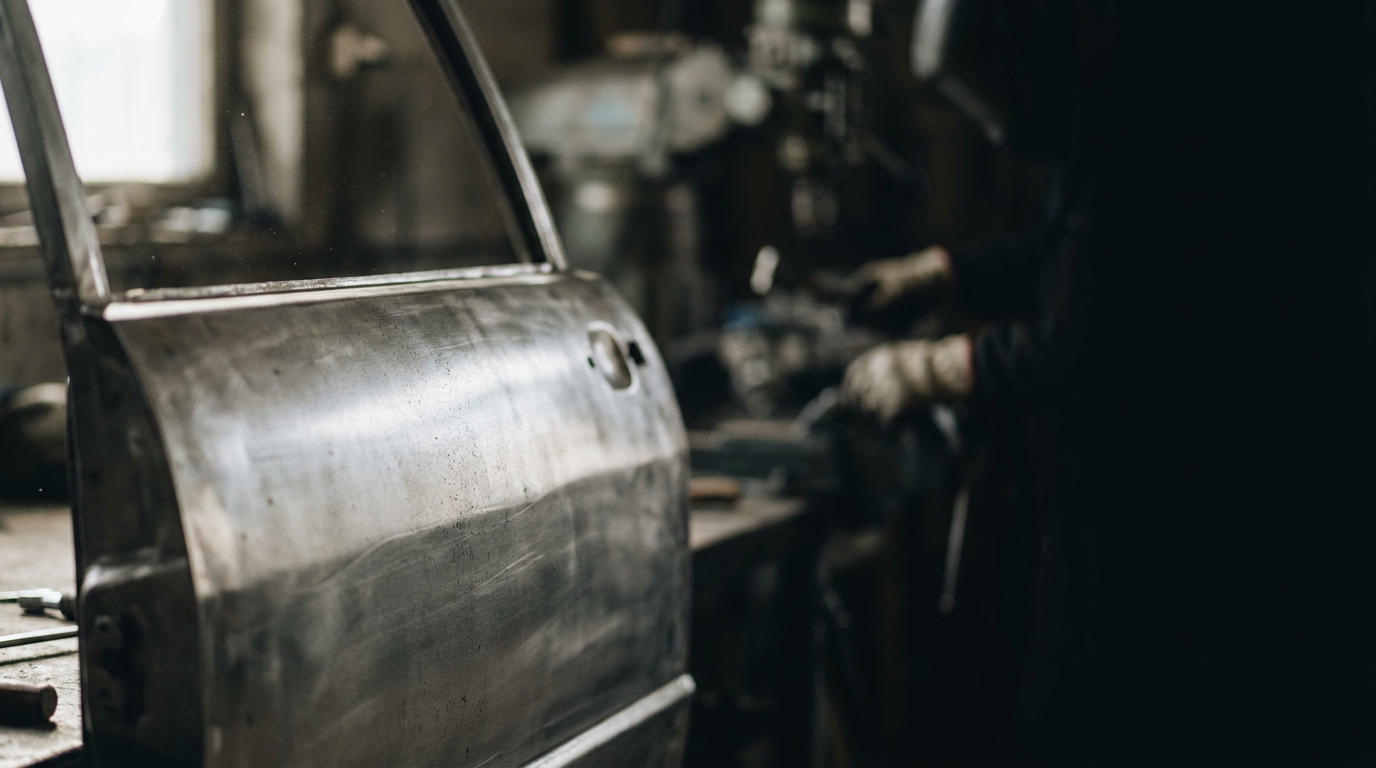
The Metal in Your Car Has Never Fully Forgotten How It Was Made
No matter how aggressively manufacturers roll, heat, and reshape metal alloys, a ghost of the original atomic order survives — and physicists are only beginning to understand why.
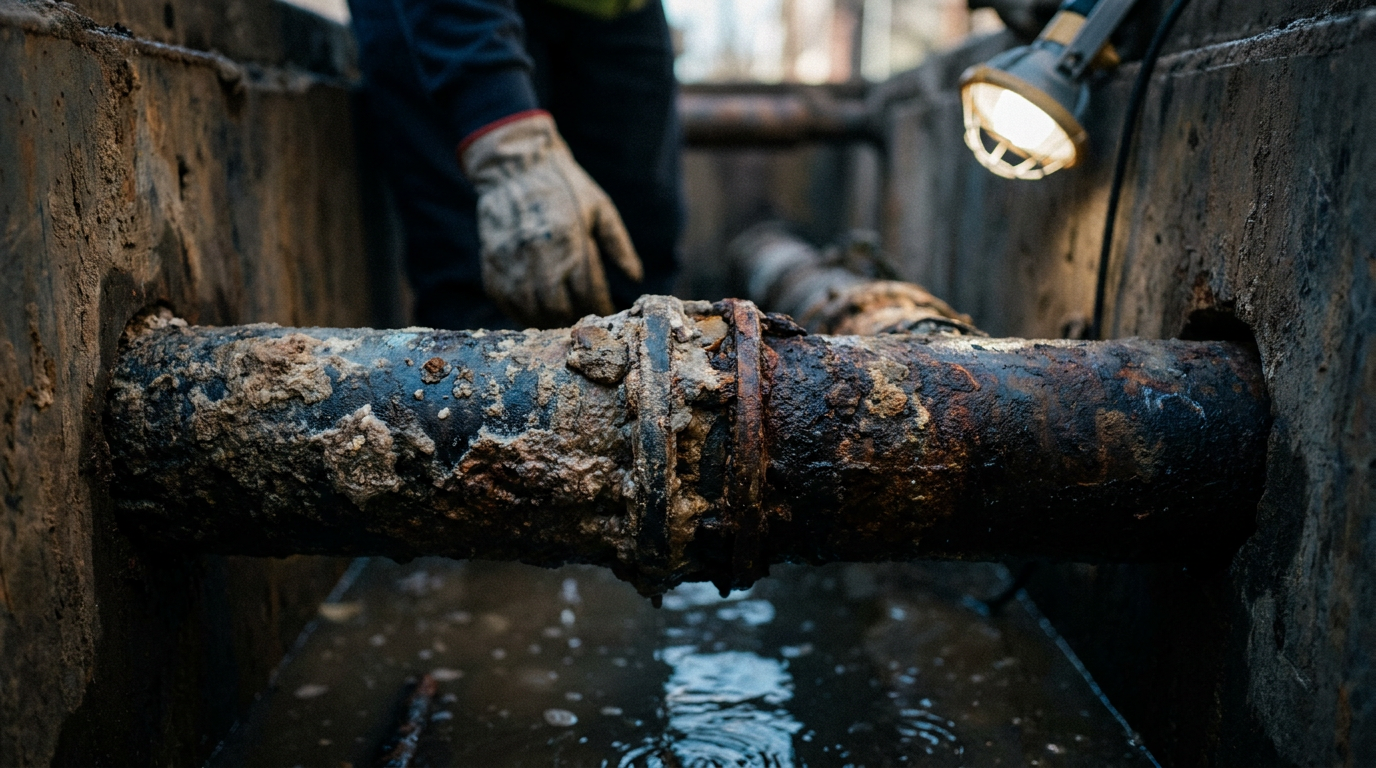
Your Tap Water Has Been to More Places Than You Think
Municipal water passes through chemistry, aging infrastructure, and microbial ecosystems before it reaches you — and the treatment plant is only the beginning.
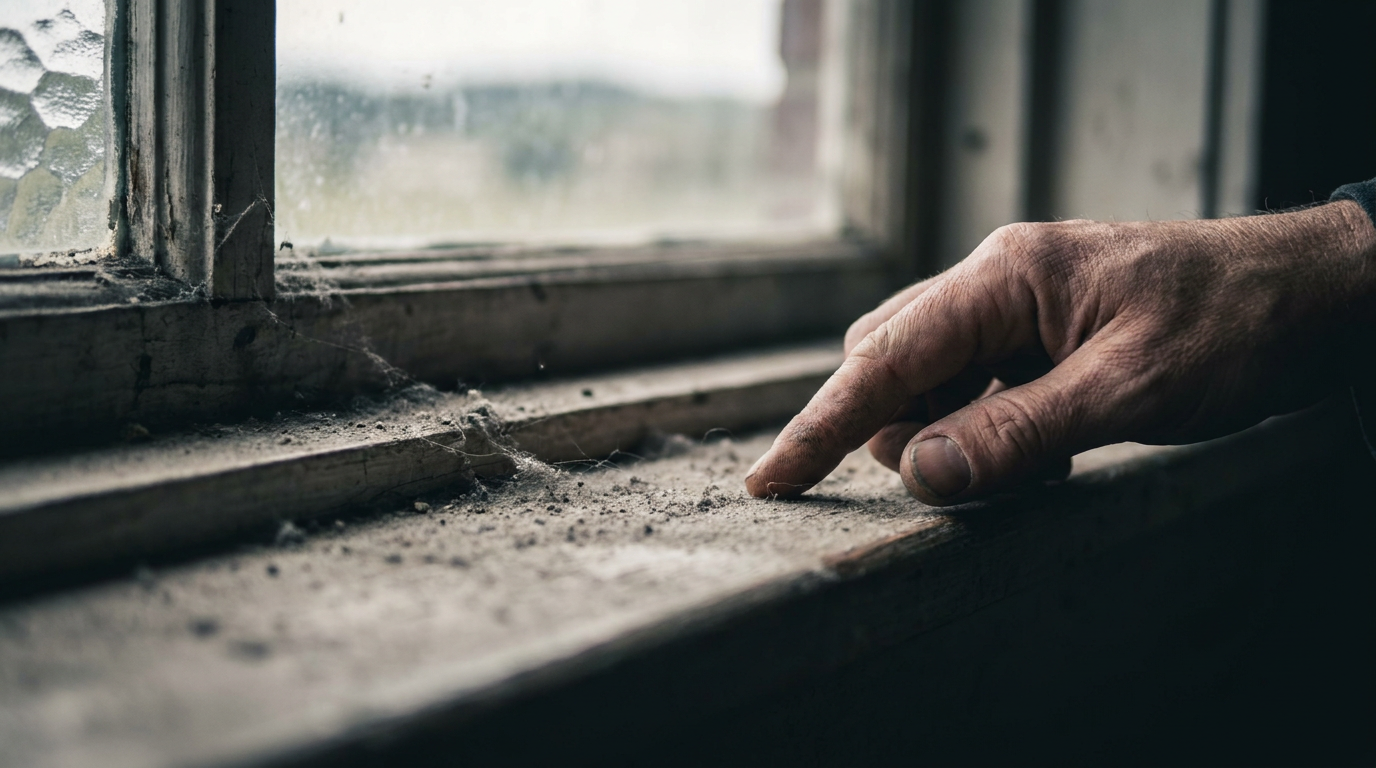
The Dust on Your Windowsill Contains Debris From Dead Solar Systems
Buried inside ordinary interstellar dust are microscopic grains that formed in dying stars before our Sun existed — and the isotope ratios locked inside them are a chemical diary of explosions billions of years old.
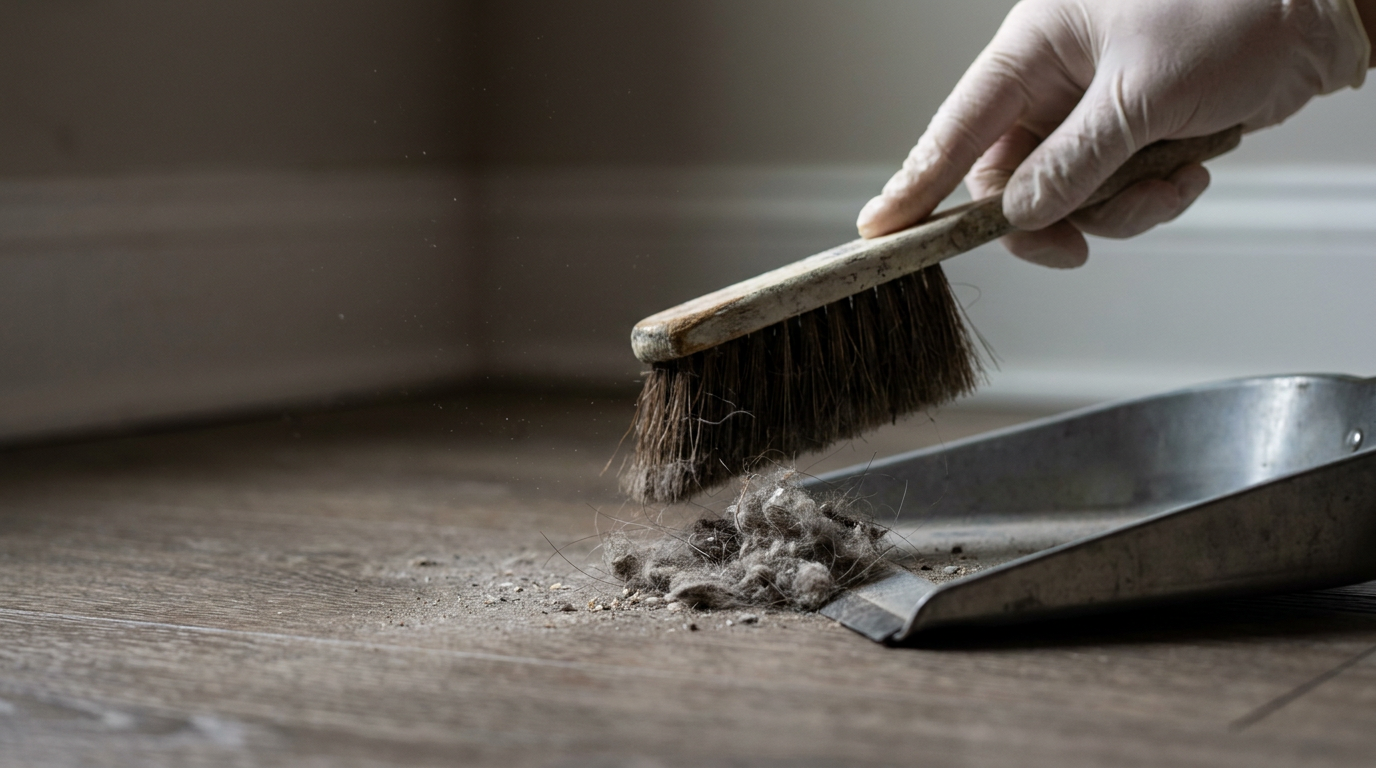
Your House Dust Is a Microbial City. Your Cleaning Products Are Reshaping It.
The chemicals in your cleaning products don't kill your home's microbial community — they reorganize it, and the survivors are keeping score.
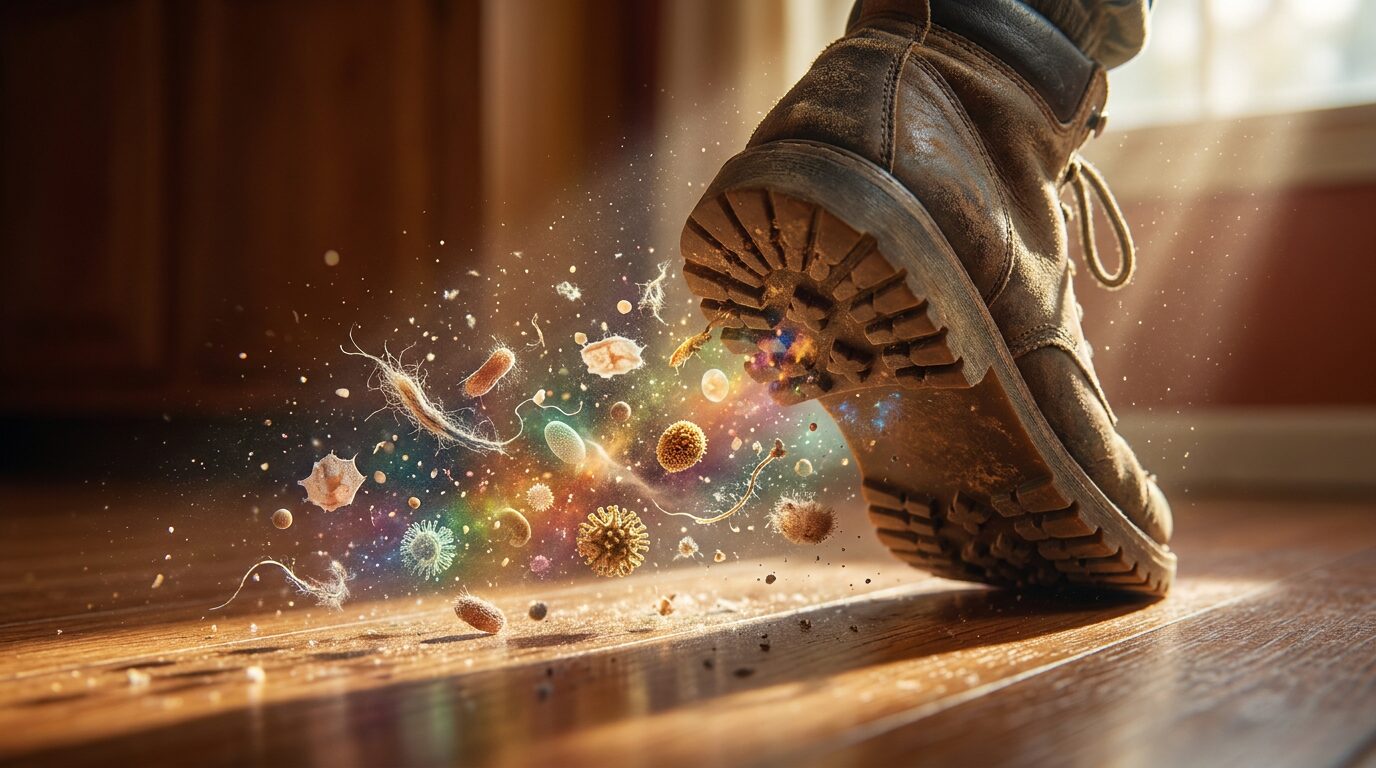
The Dust in Your Home Is a Living Ecosystem — And It's Shaped by Your Shoes
The dust floating through your living room isn't just dead skin and lint — it's a biological record of everywhere your shoes have been, and the science of how it got there is stranger than you'd expect.
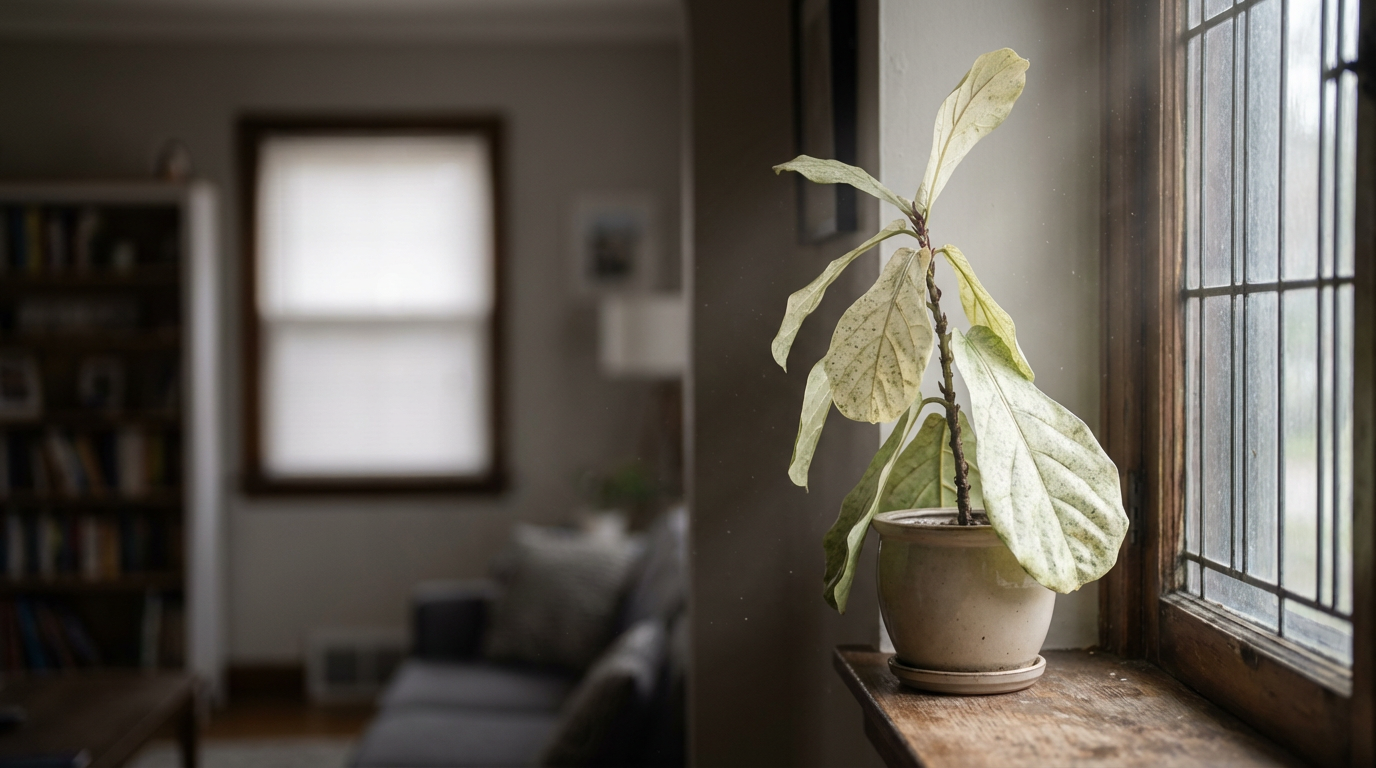
The Hidden Physics Inside Your Home That Decides Which Plants Survive
Two identical plants, two different homes, two completely different fates — the answer lives in the light, air, and microbial chemistry you can't see.
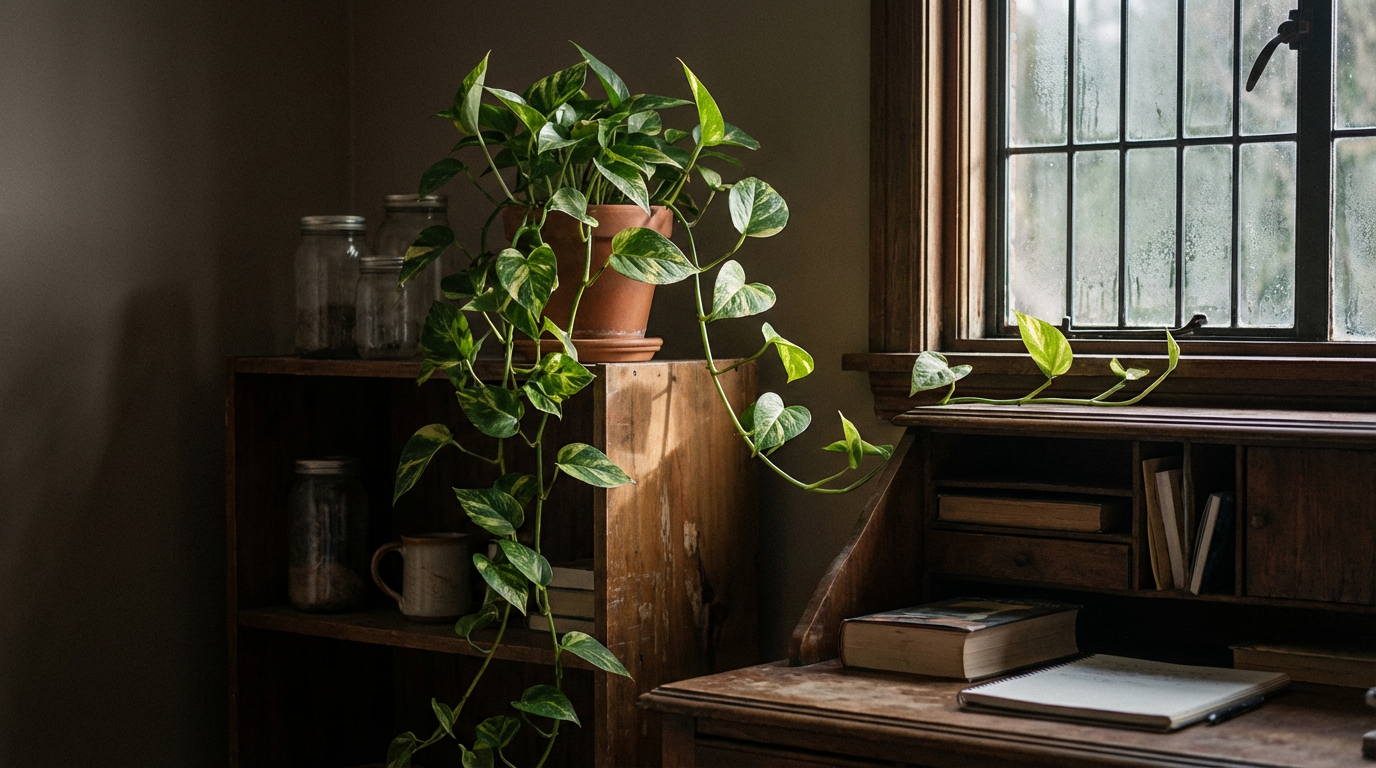
Your Houseplants Are Running a Chemistry Lab While You Sleep
Certain houseplants are nearly impossible to kill — and a handful are running surprisingly real biochemical processes that affect the air, microbes, and possibly the mind around them.
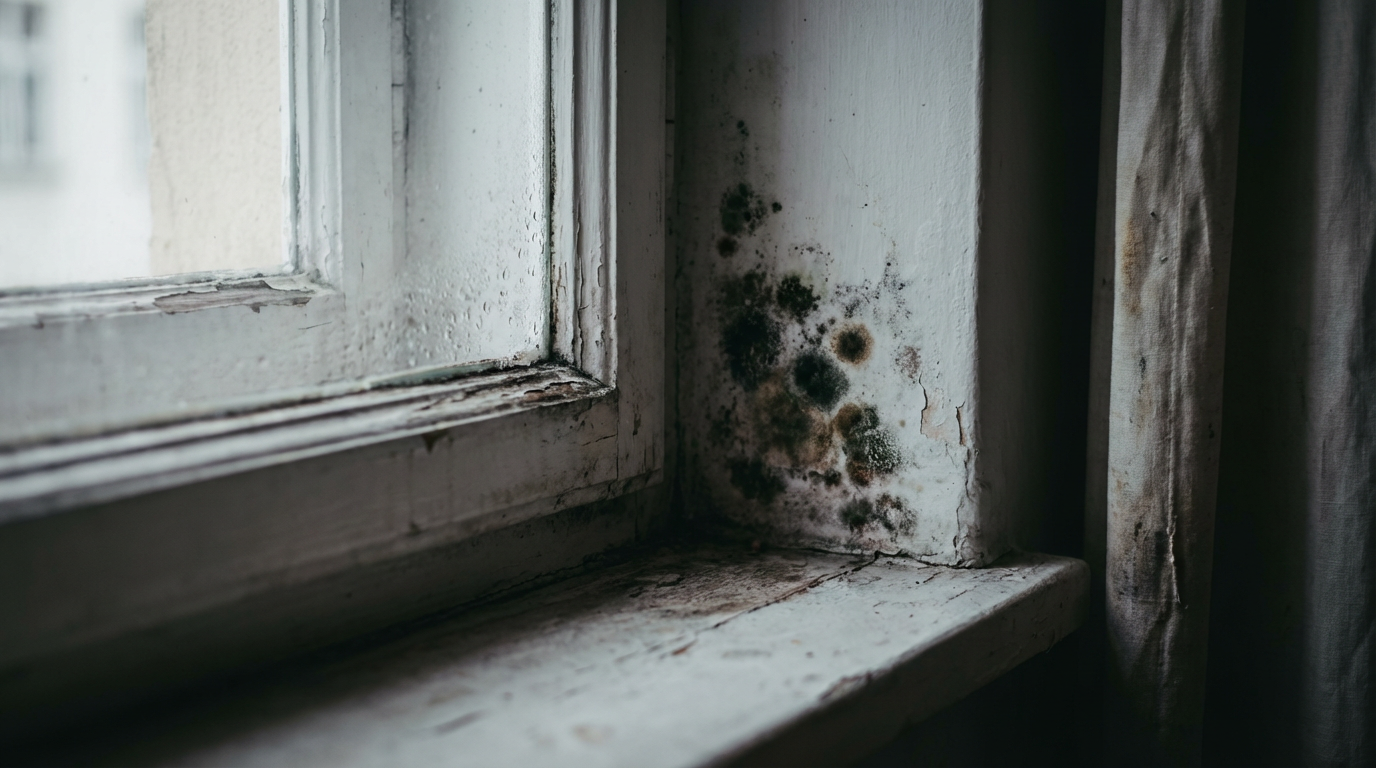
Indoor Mold's Real Threat Isn't the Stain — It's the Air Around It
A new method for detecting airborne mycotoxins confirms what the stain on your wall can't tell you: the toxic part already left.
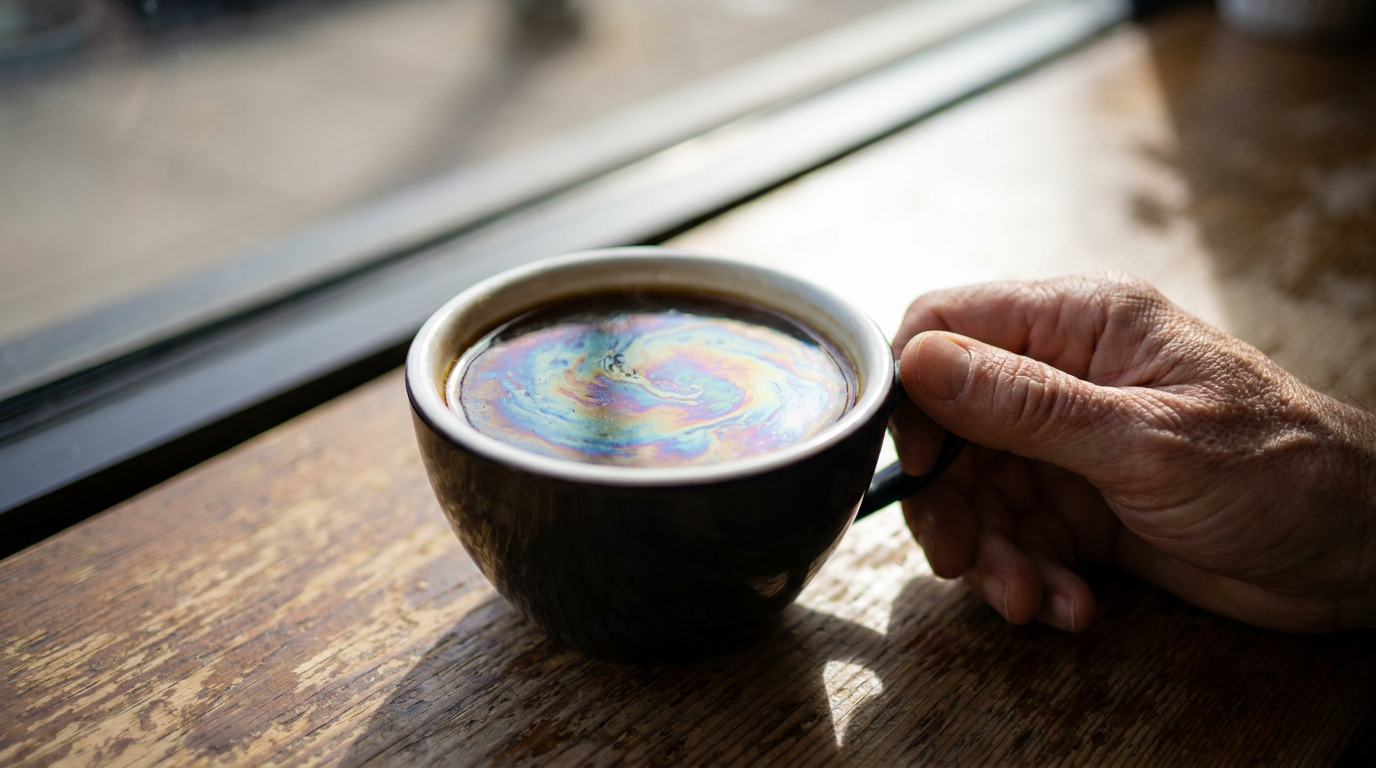
That Oily Rainbow on Your Morning Coffee Is Actually an Optical Instrument
The iridescent film floating on your pour-over isn't a flaw in your brew — it's a self-assembling structure that bends light by the same physics that makes soap bubbles glow.
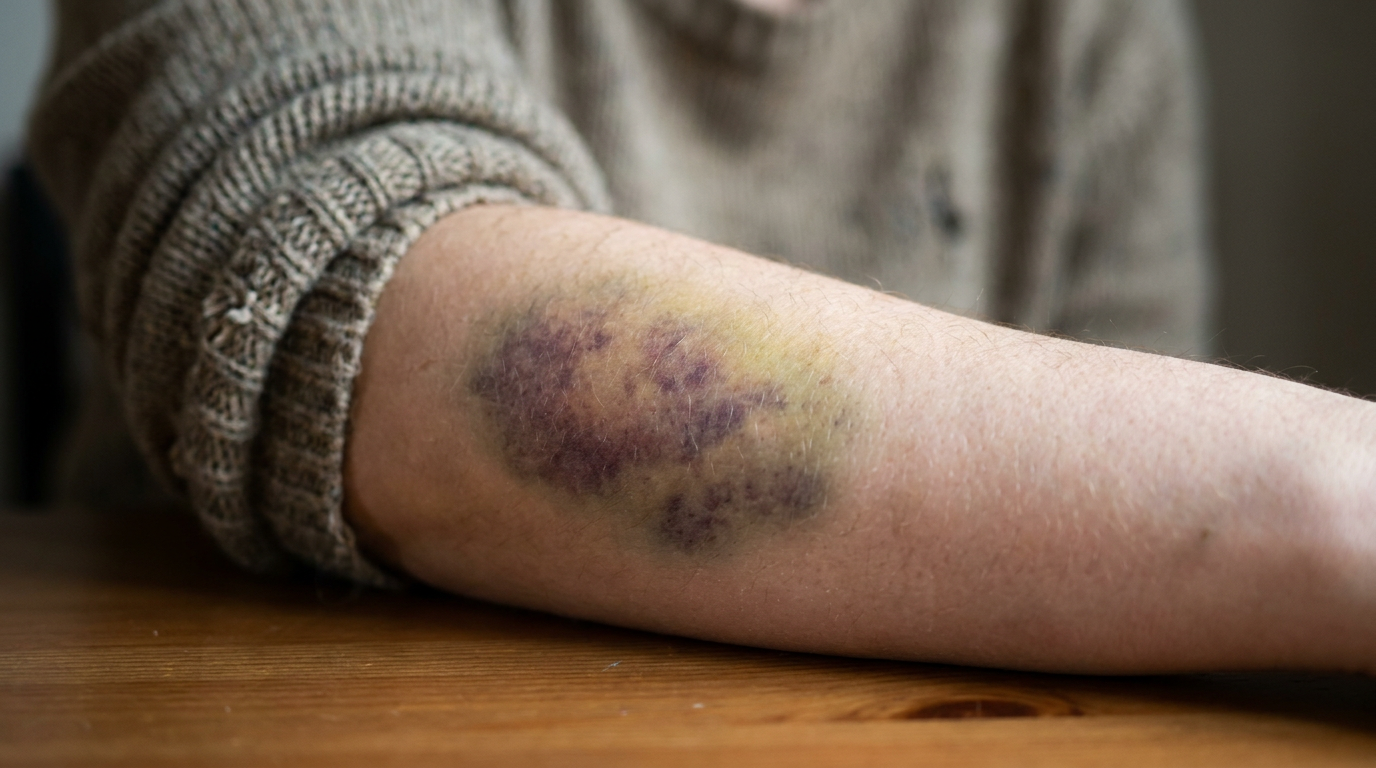
Your Bruise Is Changing Color for the Same Reason Leaves Do
That purple mark spreading under your skin isn't damage lingering — it's a molecular demolition crew working through a precise, color-coded sequence to erase the evidence.
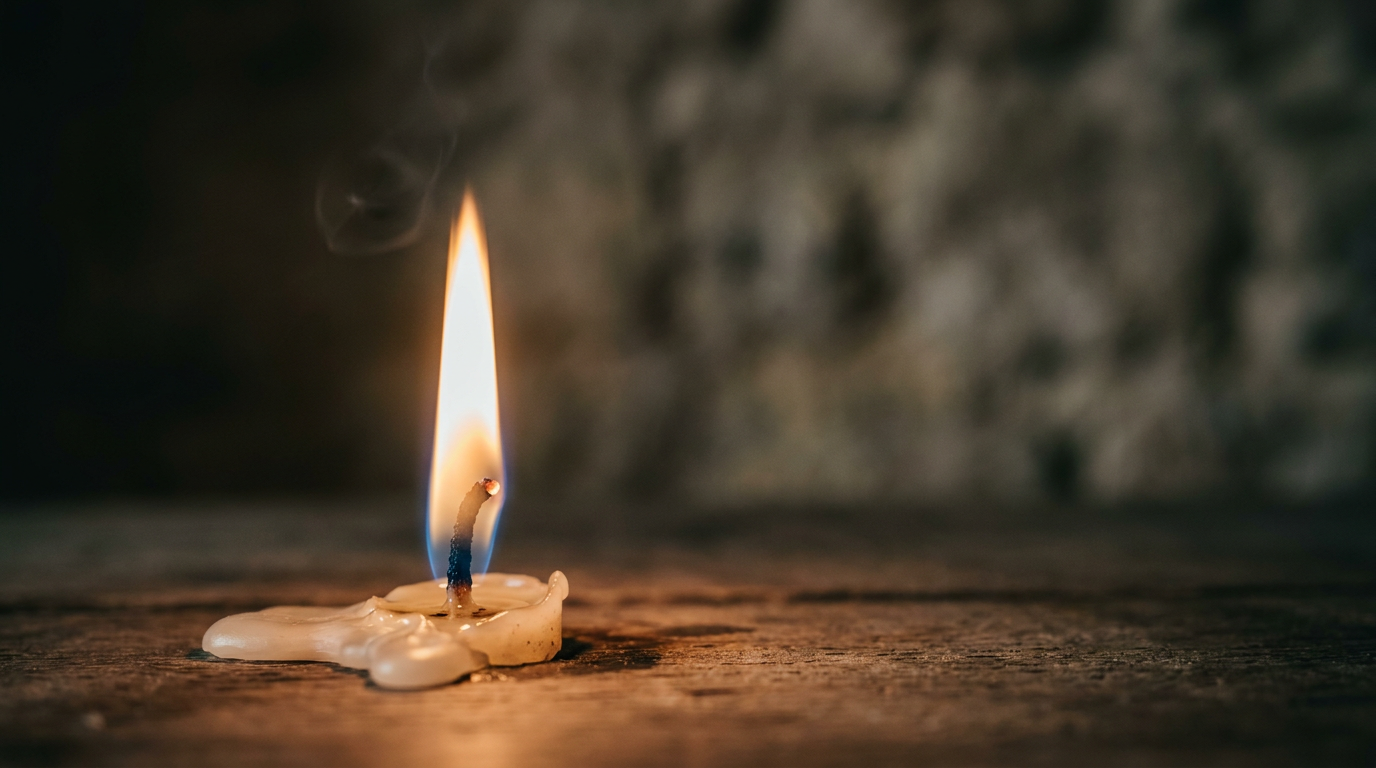
A Candle Flame Is Rebuilding Itself From Scratch Every Millisecond
What looks like a simple flicker of wax and fire is actually a self-organizing column of vaporization, chemistry, and convection — and without gravity, it wouldn't even have a shape.
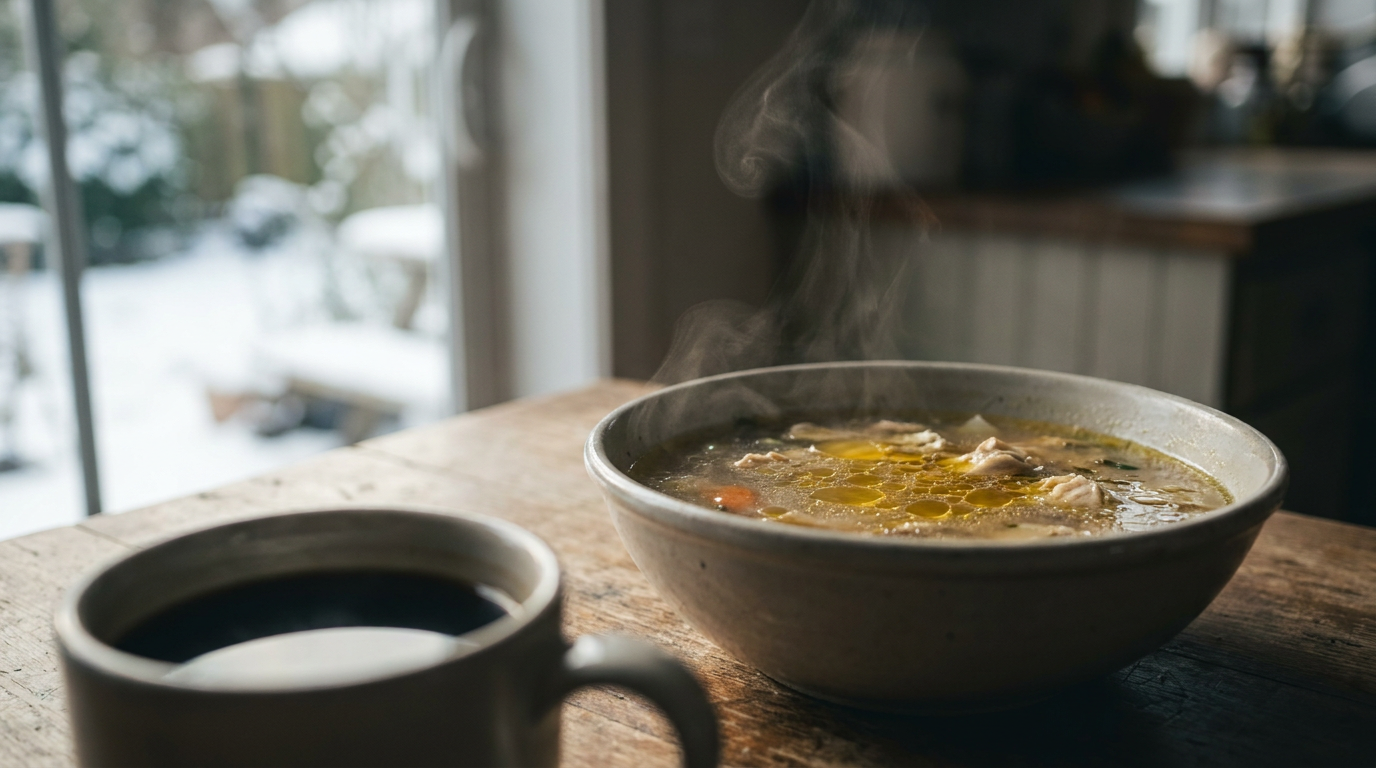
Your Coffee Goes Cold in Minutes. Your Soup Takes Forever. Here's Why.
Same cup, same room, same starting temperature — but coffee and soup are losing heat through completely different physics, and the gap between them comes down to fat, vapor, and the invisible work happening at the surface.
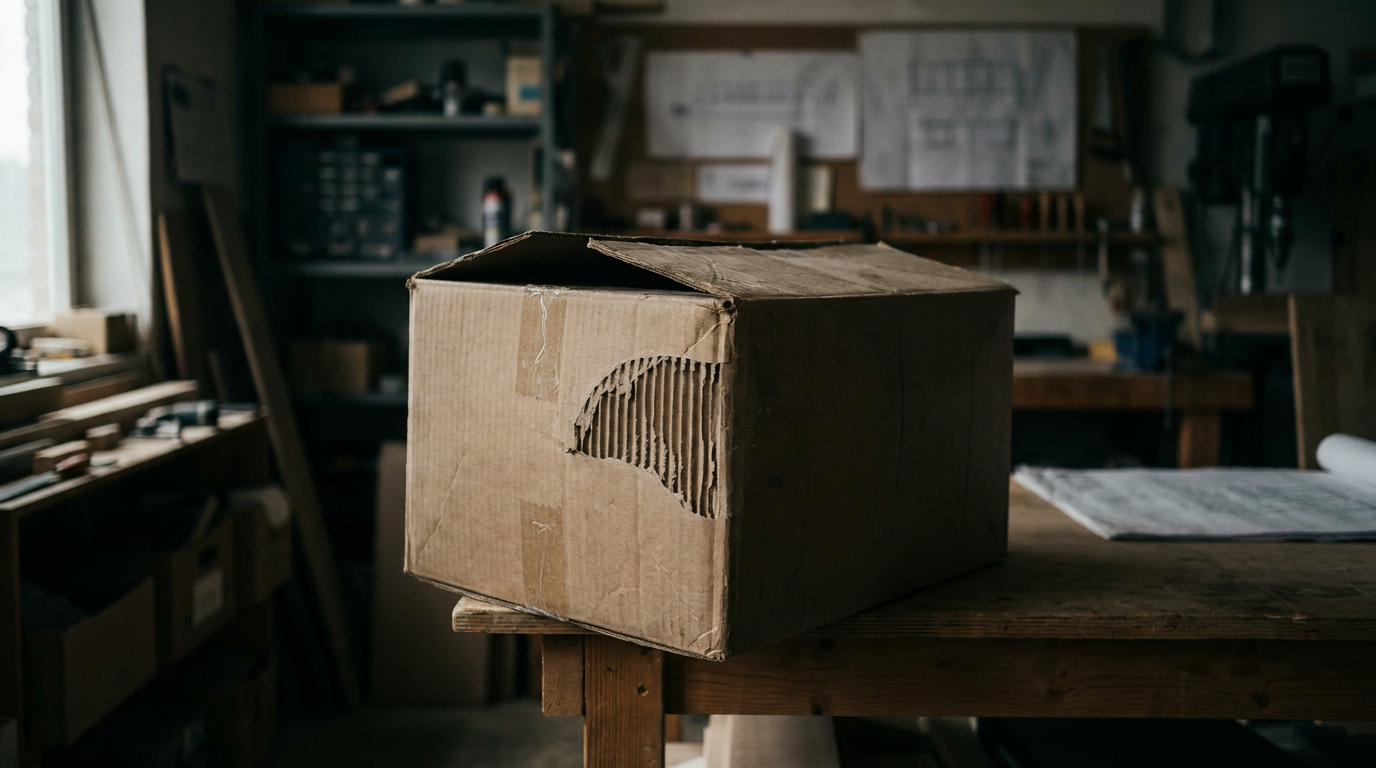
That Cardboard Box Can Hold a Car — Here's the Geometry Behind It
The humble corrugated box is a precision structural system, and the same arch physics keeping it intact once held up the roofs of Gothic cathedrals.
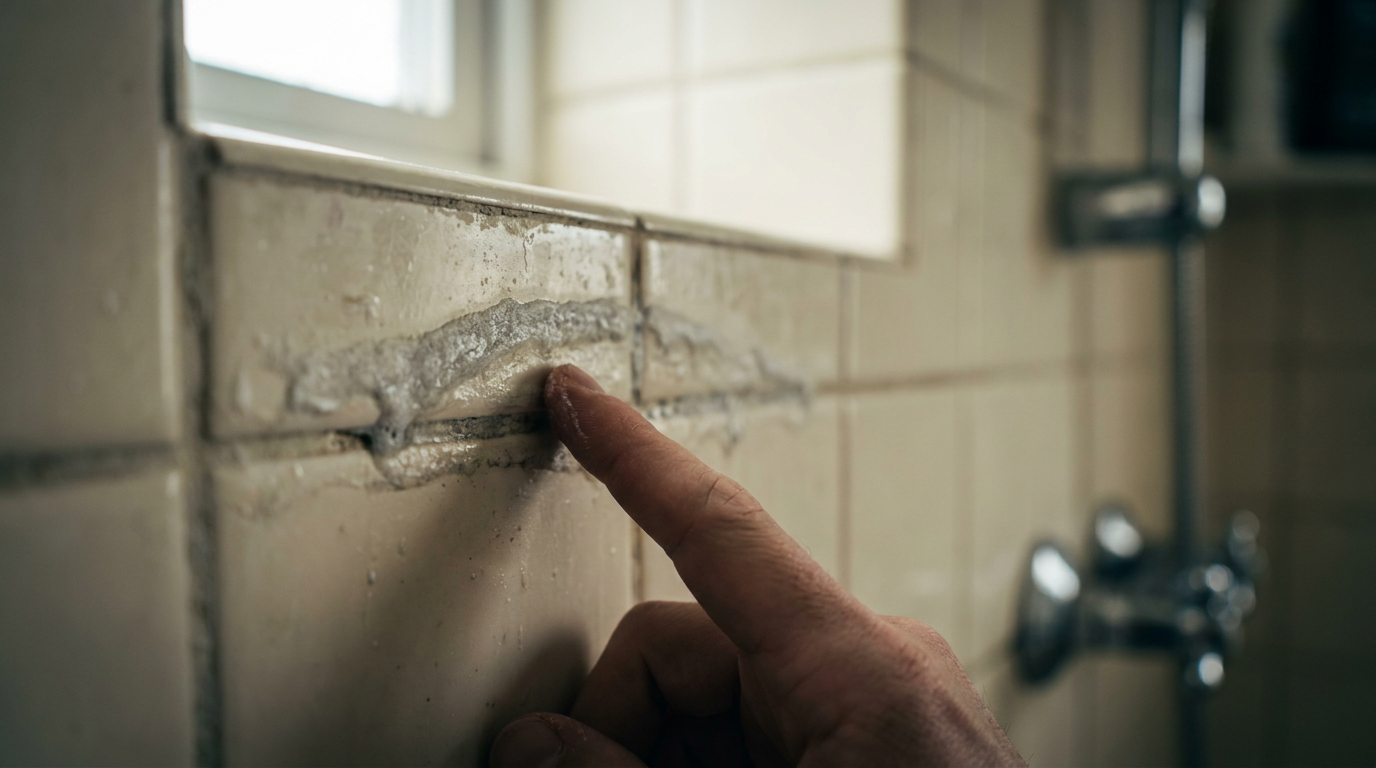
Your Soap Is Reacting with Your Water and Leaving Behind a Chemical Record
That gray crust on your shower tiles isn't dirt — it's a mineral compound your soap manufactures on contact, and it reveals exactly what's dissolved in your water.
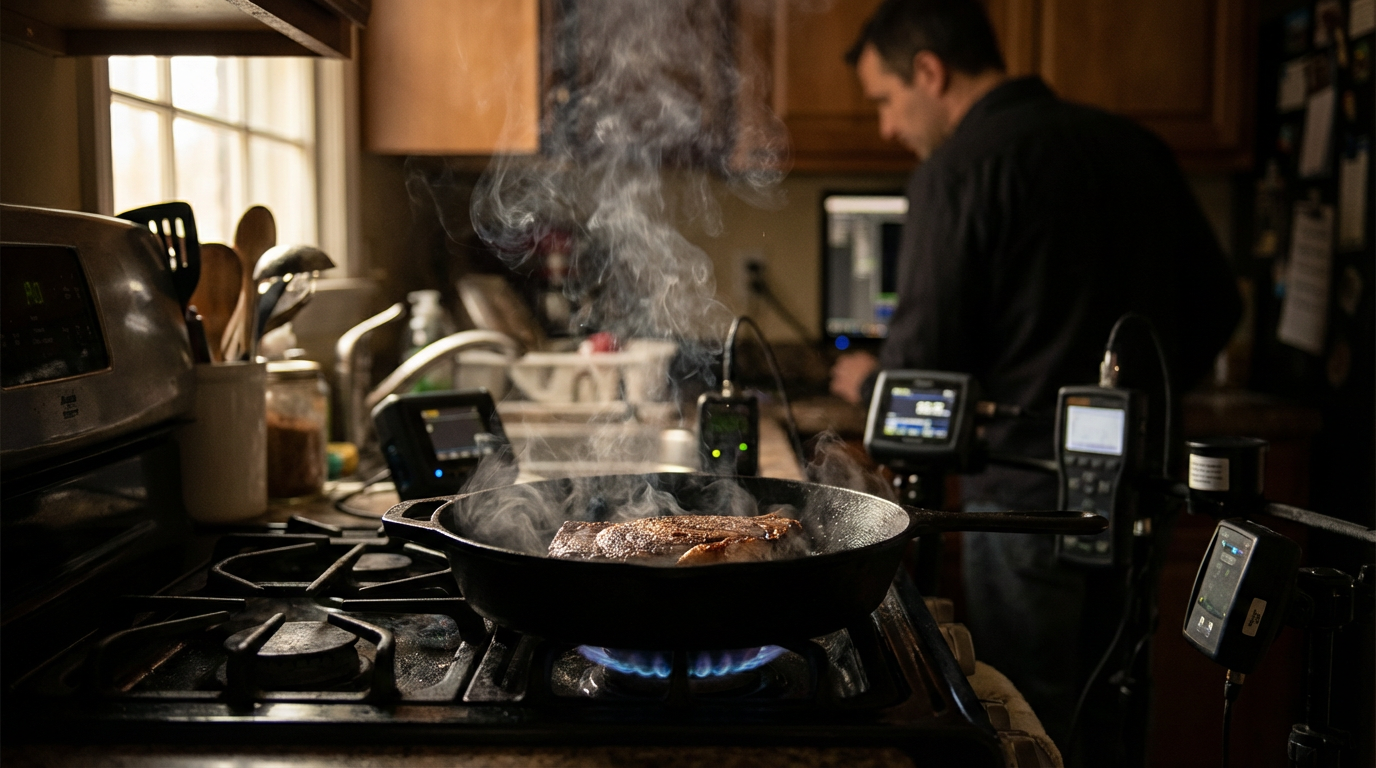
The Atmosphere in Your Kitchen Is More Violent Than You Think
Indoor air quality researchers are discovering that a single pan of sautéed onions can spike ultrafine particle concentrations to levels that would trigger outdoor air quality alerts — and the chemistry happening three feet above your stove is stranger and more consequential than anyone expected.