All stories by
Brenna Vance
Brenna Vance writes about the cosmos — stars that predate the universe's own chemistry, spacecraft flying close enough to the sun to catch it misbehaving, the physics of what the universe is still getting wrong. Her work focuses on the moments when an observation breaks a model, and what that break actually means.

Why Is Jezero Crater's Bedrock Standing Nearly Vertical? NASA's Rover Found Evidence of Two Planet-altering Asteroid Strikes.
Perseverance found bedrock tilted at nearly 90 degrees on the rim of Jezero Crater — and the only explanation requires two planet-reshaping asteroid strikes, billions of years apart.
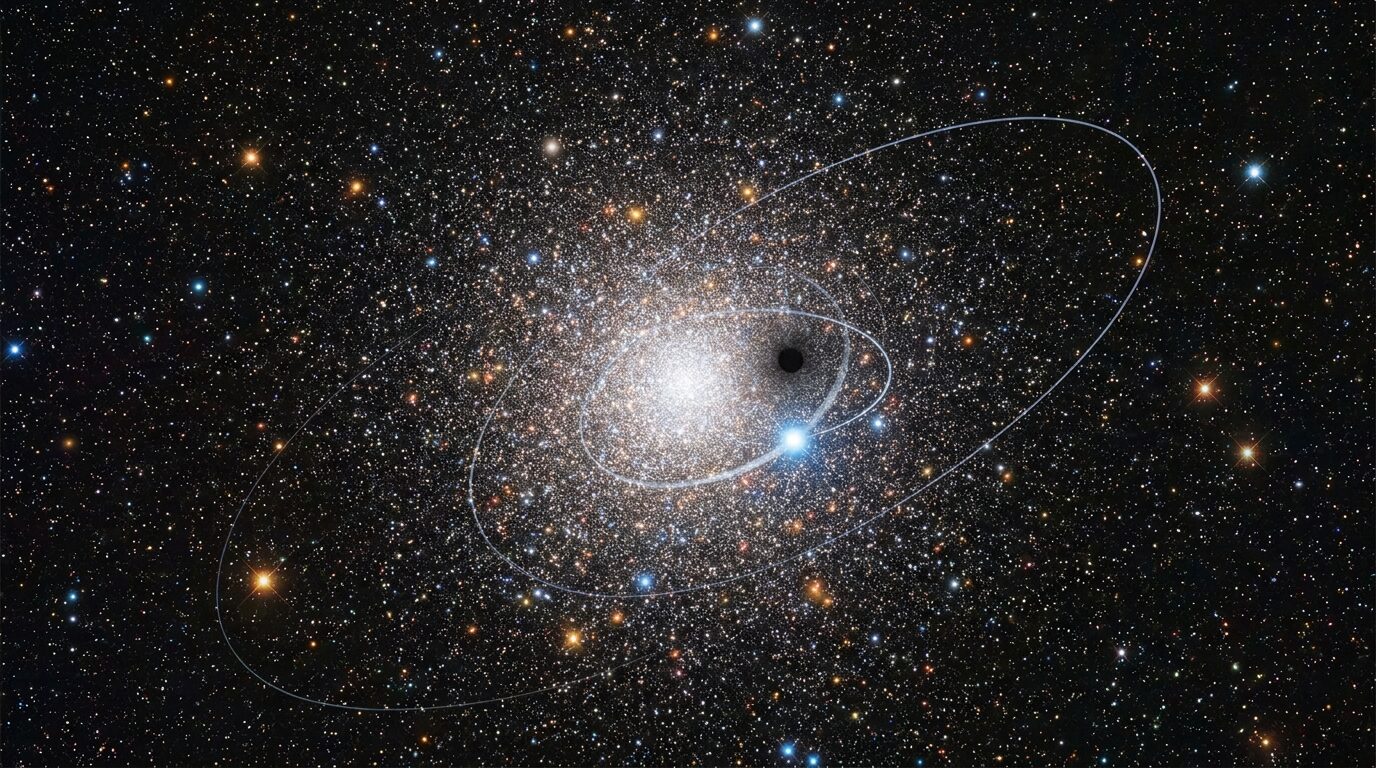
Where Are Omega Centauri's Missing Black Holes? Hubble Found One by Watching a Star Dance.
Astronomers didn't look for light or heat to find it — they watched how a single star moved, and the invisible thing pulling on it had no other explanation.
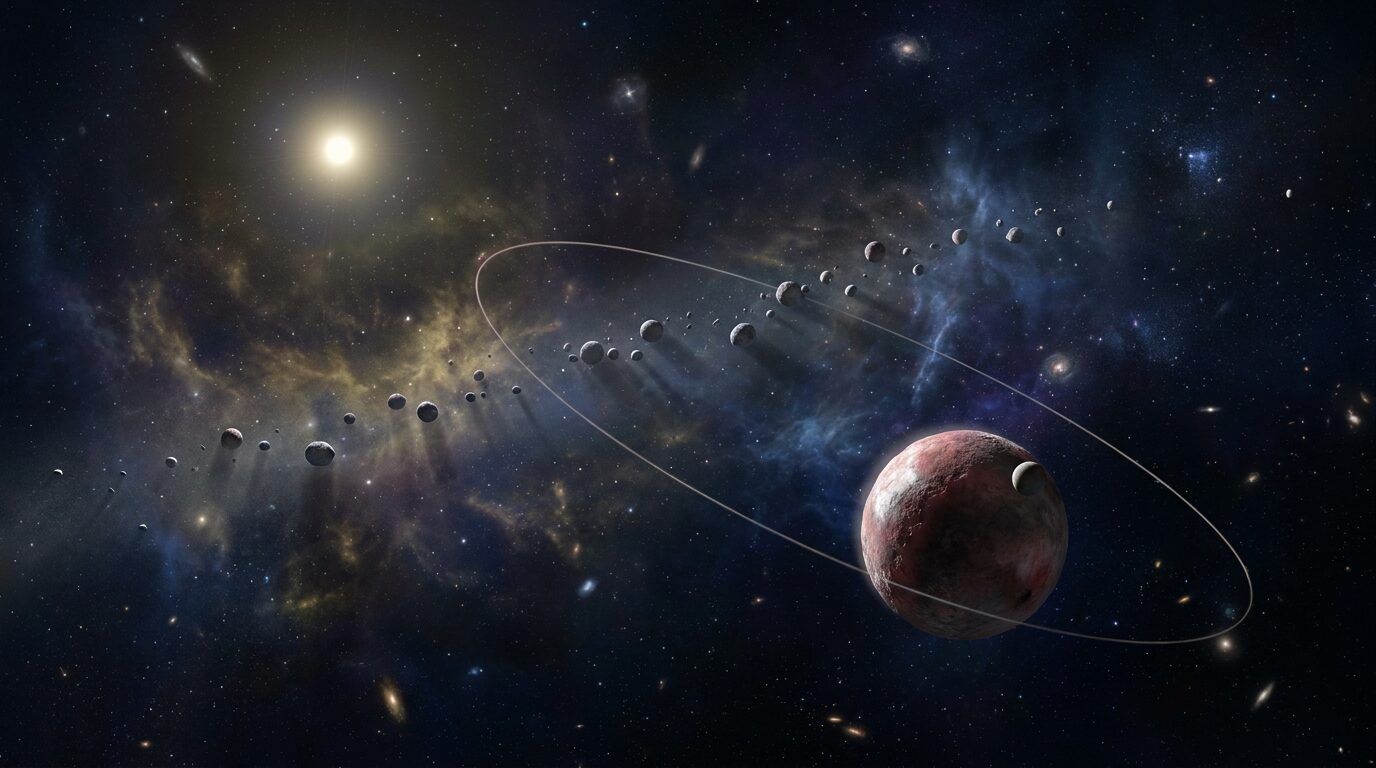
The Discovery That's Quietly Unraveling Planet Nine's Best Defense
The whole case for a hidden ninth planet rests on a handful of orbits that shouldn't line up — but they're lining up less and less with every new discovery.
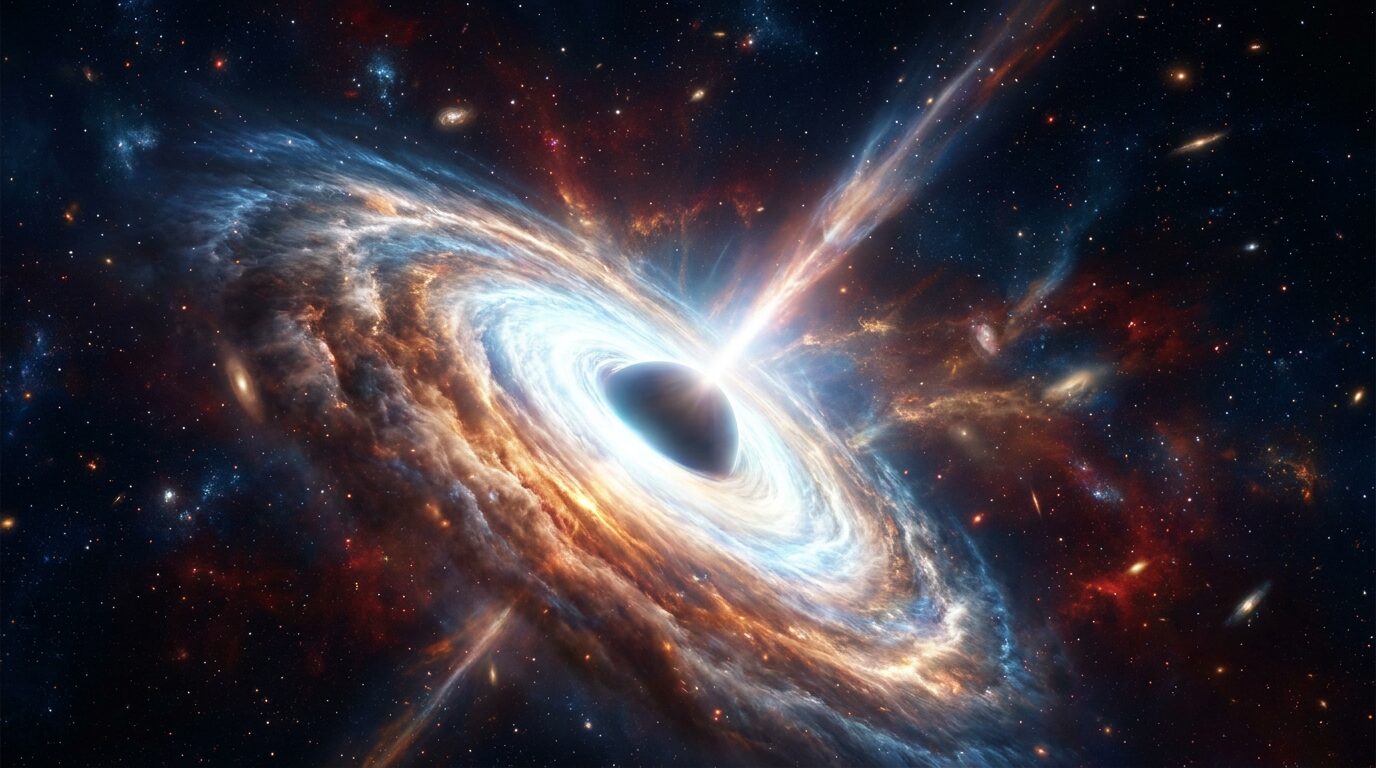
The Eddington Limit: What It Is, and How It Just Failed
The Eddington limit is supposed to cap how fast a black hole can grow — but a quasar from the early universe is eating at 13 times that rate, while simultaneously doing something the models say shouldn't be possible.

The UFO Cover-Up Was Real — Just Not the One Anyone Expected
A buried CIA confession — now surfaced in the PURSUE files — reframes everything we thought we knew about the era that built UFO mythology, and sharpens the question of what's left over.
Dark Energy Is Not a Constant. Three Years of Data Say So.
The DESI survey's third year of data has made the case for a changing dark energy disturbingly strong — which means the force expanding the universe may not be what physicists have spent thirty years assuming.
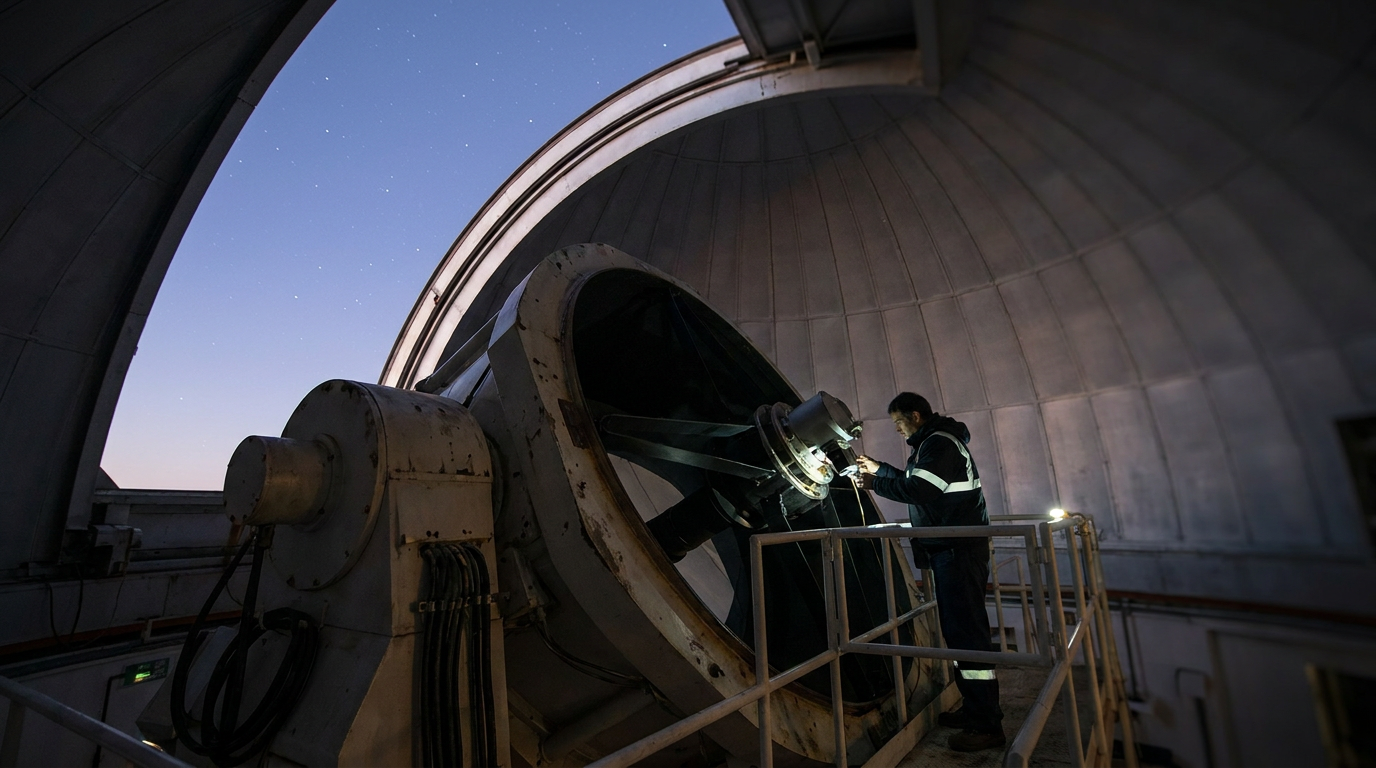
Dark Energy Just Survived Its Biggest Challenge yet. That Should Worry Us More.
A landmark rebuttal restored the standard model of cosmic acceleration — but the galaxy survey quietly doing more damage than the debunked study ever could is still running.
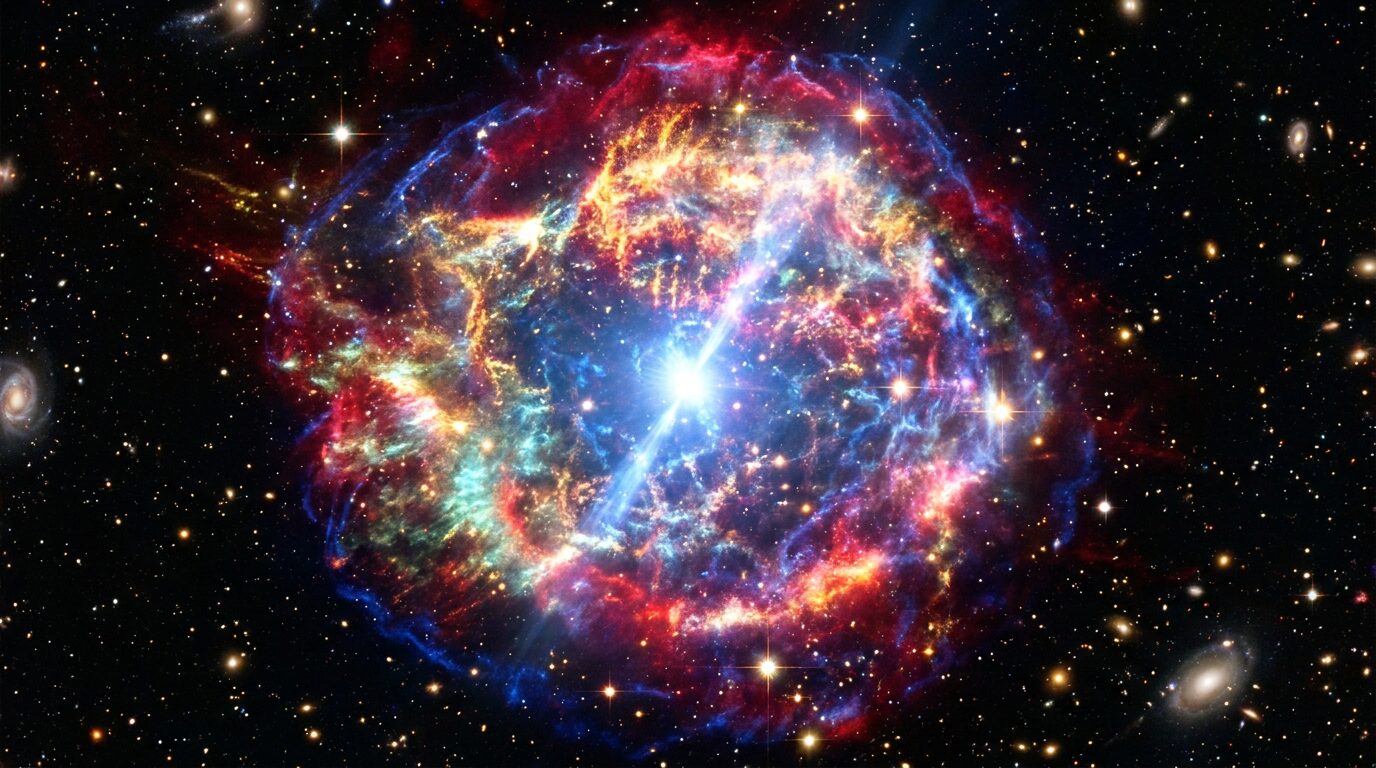
Astronomers Watched a Magnetar Be Born. The Universe Was Blinking.
A supernova's strange, rhythmic afterglow gave astronomers their clearest look yet at the moment one of the universe's most extreme objects switches on.
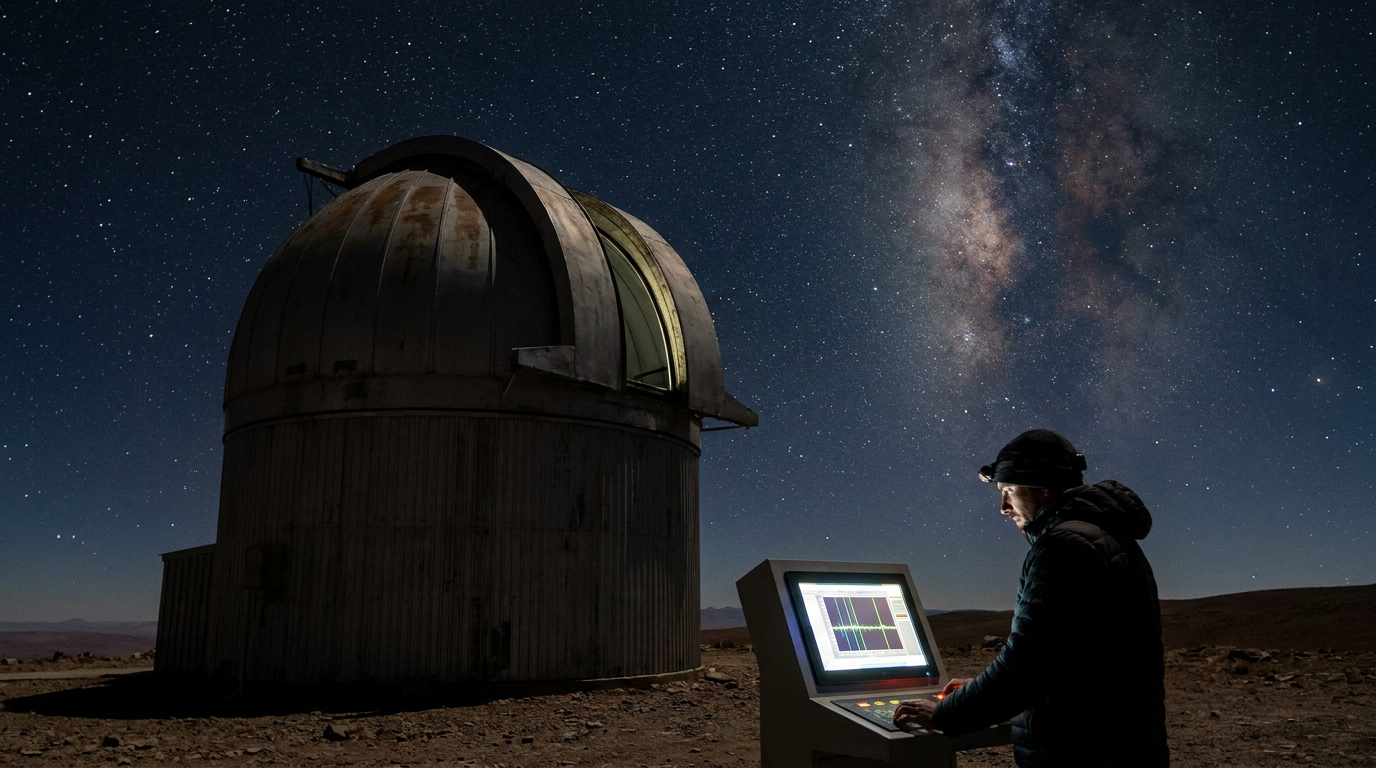
Ghosts of the First Stars: What Ancient, Metal-Poor Suns Are Telling Us About the Universe's Earliest Chemistry
A small population of stars in the Milky Way's outer halo carries chemical signatures from before the universe knew how to make iron — and what spectrometers are finding in them is forcing a rethink of how fast the early cosmos grew complex.

This Star Is Older Than the Universe — And the Math Might Be Right
HD 140283 has been clocking in at 14-plus billion years old, which is a problem, because the universe is only 13.8 billion — and resolving that contradiction is quietly rewriting how we measure cosmic time.
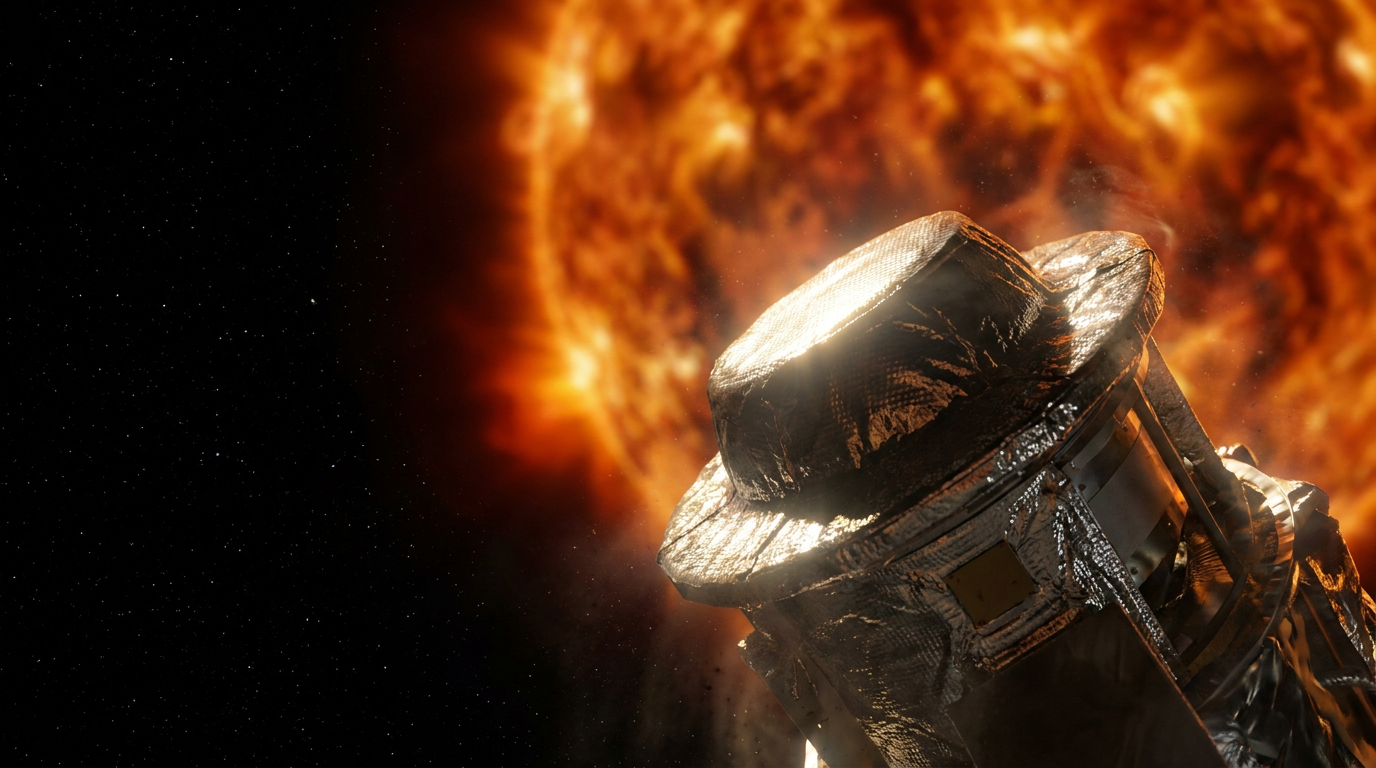
The Sun's Surface Is 5,500°C. Its Atmosphere Is 2,000,000°C. Something Is Wrong.
Solar physicists have known about the corona's impossible heat for eighty years, and a spacecraft now flying closer to the sun than any instrument before it is finally close enough to catch the culprit in the act.

Mars Is Still Cracking Apart — And InSight Heard It Happen
NASA's InSight lander spent four years listening to the interior of Mars, and what it found suggests rocky planets don't die quietly — they contract, fracture, and quake for billions of years after their engines cool.
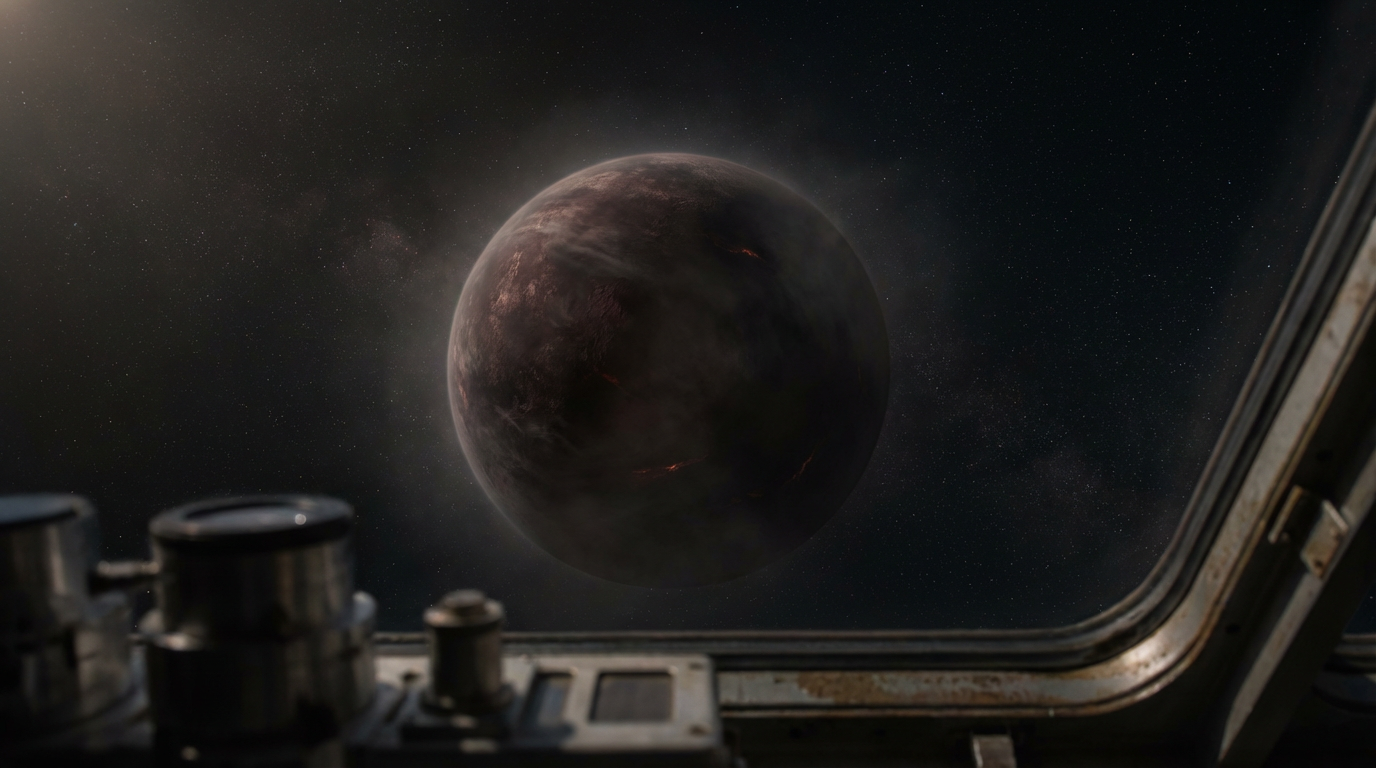
No Star Required: How Rogue Planets Could Hold Liquid Water in the Dark
Planets flung into interstellar space were assumed to be dead on arrival — but geothermal heat and hydrogen-rich atmospheres may keep some of them warm enough for liquid water, billions of miles from any sun.
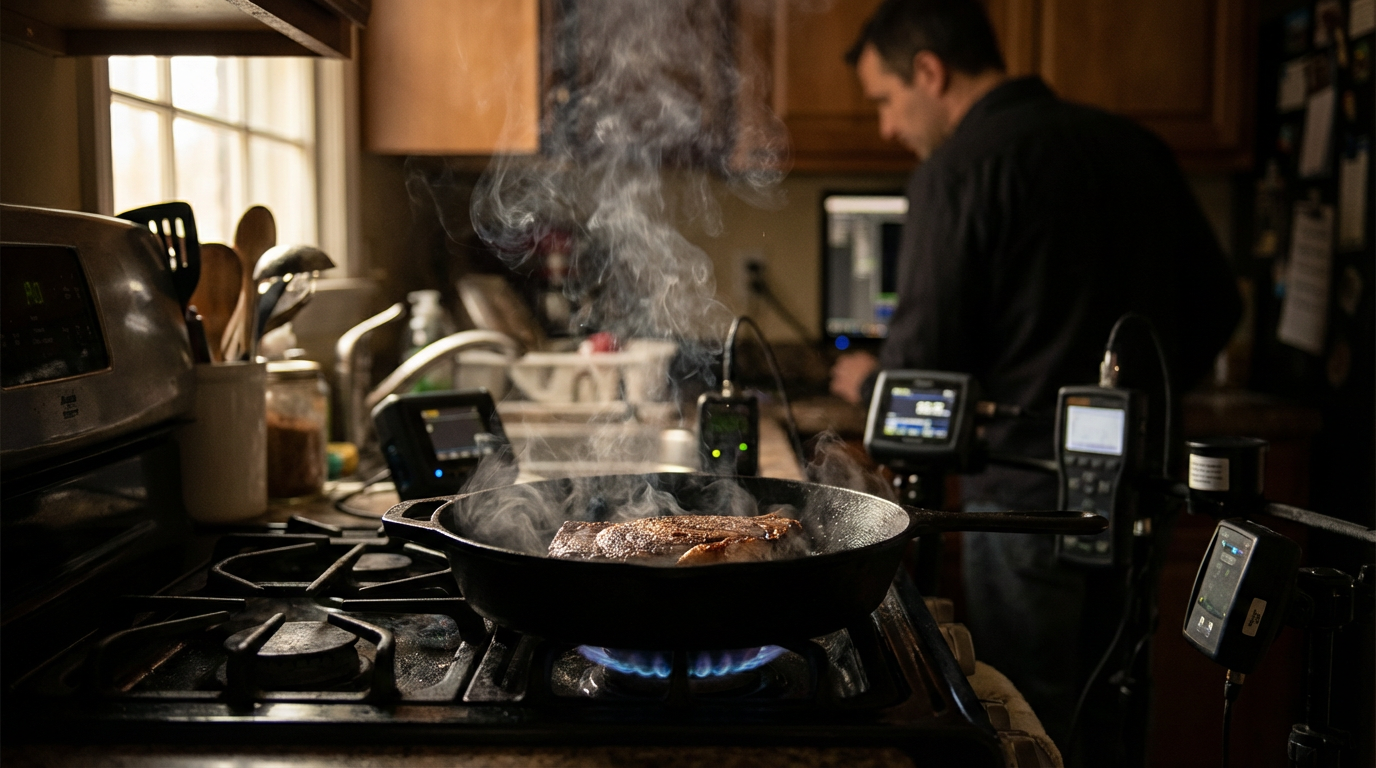
The Atmosphere in Your Kitchen Is More Violent Than You Think
Indoor air quality researchers are discovering that a single pan of sautéed onions can spike ultrafine particle concentrations to levels that would trigger outdoor air quality alerts — and the chemistry happening three feet above your stove is stranger and more consequential than anyone expected.