All stories by
Silas Crane
Silas Crane writes from the edges of the record: cold cases, cryptids, declassified files, strange disappearances, forensic science, fringe science, mysterious illnesses, eerie technologies, serial killers, cults, state experiments, UAPs, and claims that cannot be cleanly proved or dismissed. His work also examines crime, deviance, corruption, policing, punishment, and the institutions that decide which harms are investigated, sensationalized, ignored, or allowed to continue. A documentarian at heart, he builds unease from verifiable detail and is always drawn back to the gap the file cannot close.
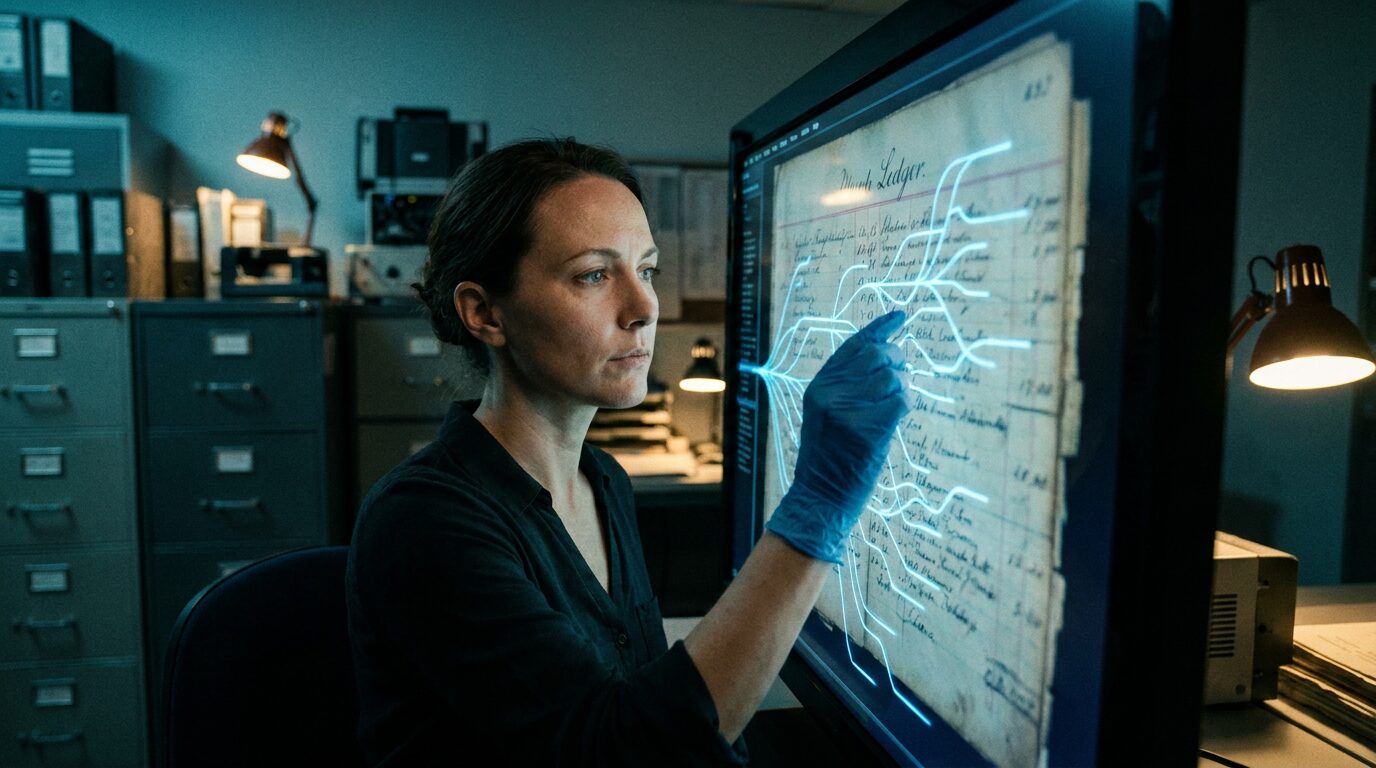
Serial Killers Don't Have a Type. They Have an Imprint.
New analysis of FBI confession transcripts and the world's largest serial killer database suggests victim selection isn't a preference — it's a neurologically reinforced behavioral loop with a traceable origin.
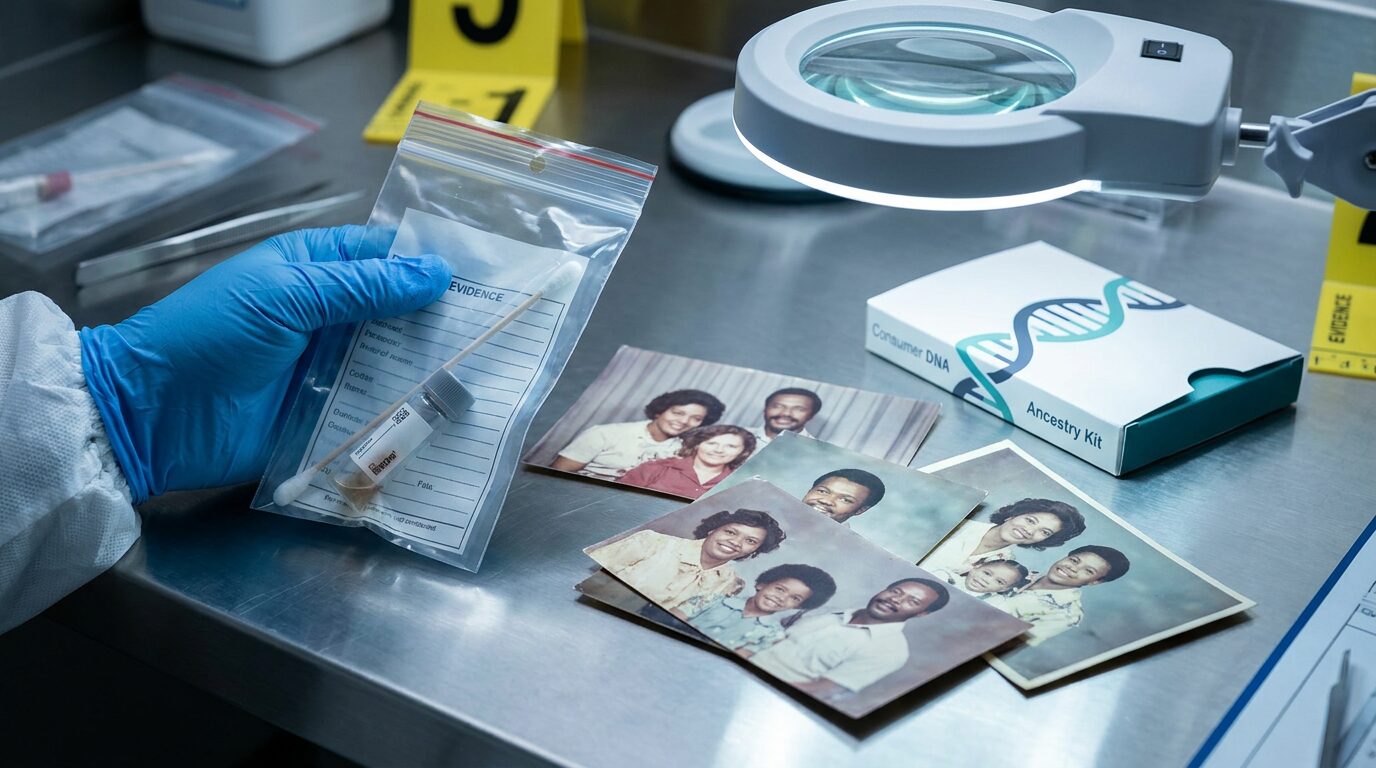
Opting Out of DNA Databases No Longer Keeps You Out of DNA Databases
Forensic genetic genealogy has solved hundreds of murders — by running crime-scene DNA against databases millions of people joined to find their grandparents.
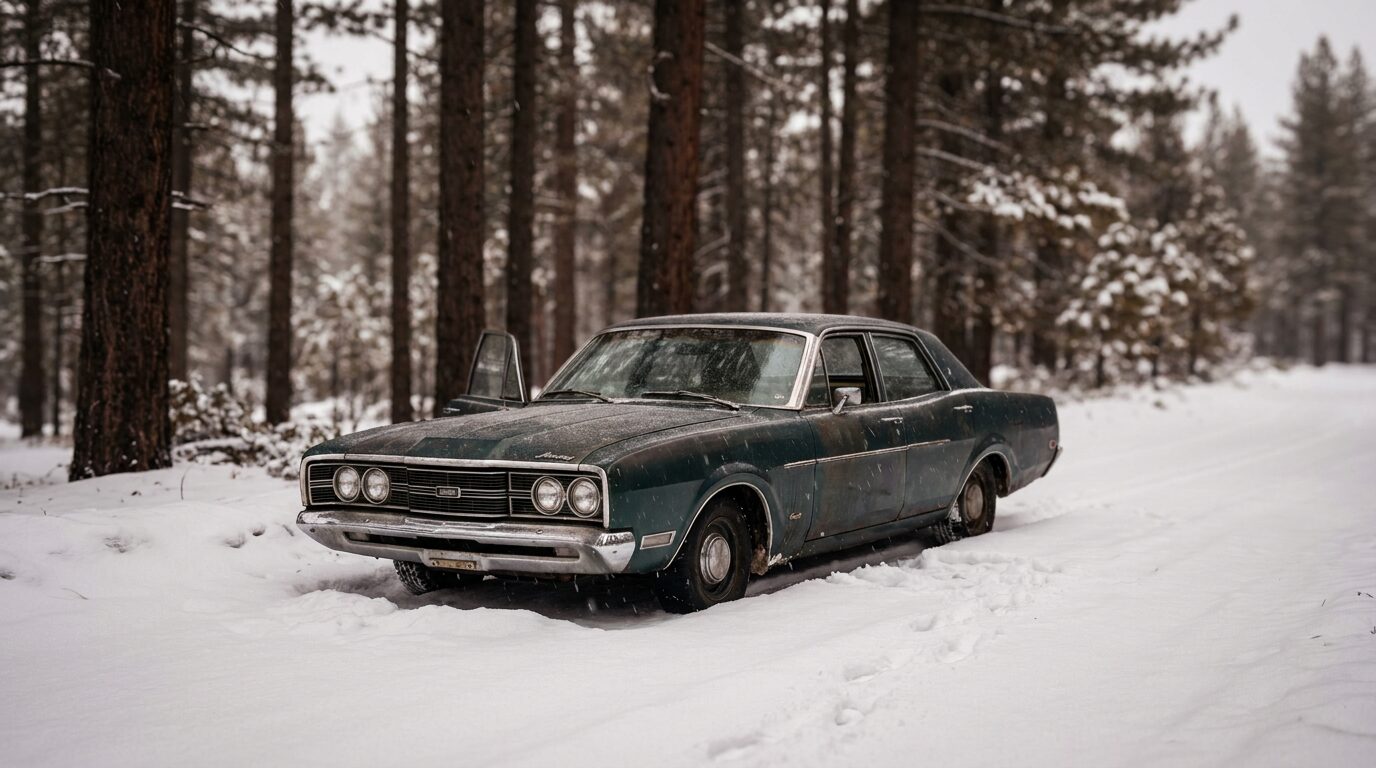
The Yuba County Five Drove 70 Miles the Wrong Way. No One Has Ever Explained Why.
The Yuba County Five case isn't cold because the evidence ran out — it's cold because the evidence that survived keeps pointing in directions that don't meet.
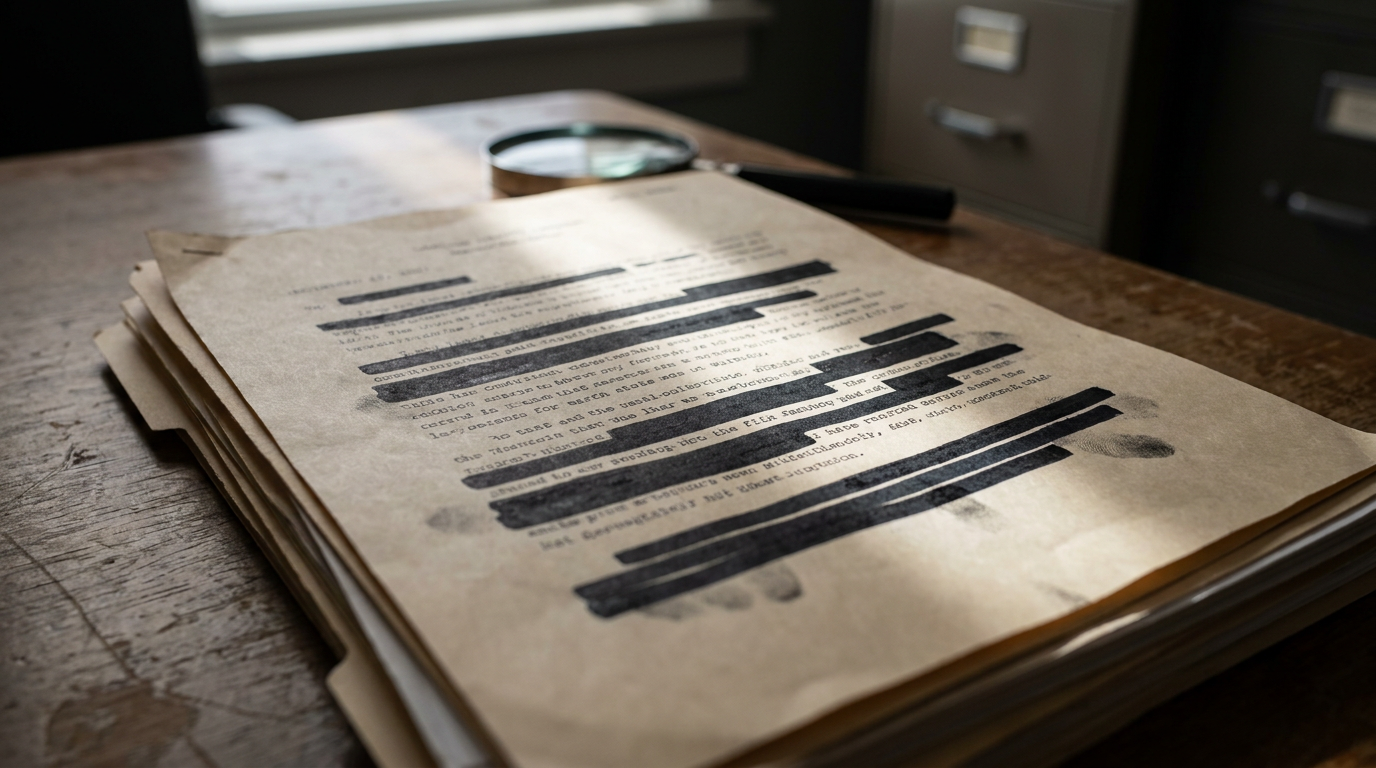
Trump's Name Was Redacted Dozens of Times. Here's What the Shape of That Silence Tells Us.
The released Epstein documents don't prove a conspiracy — but the architecture of what's been withheld is its own kind of evidence.
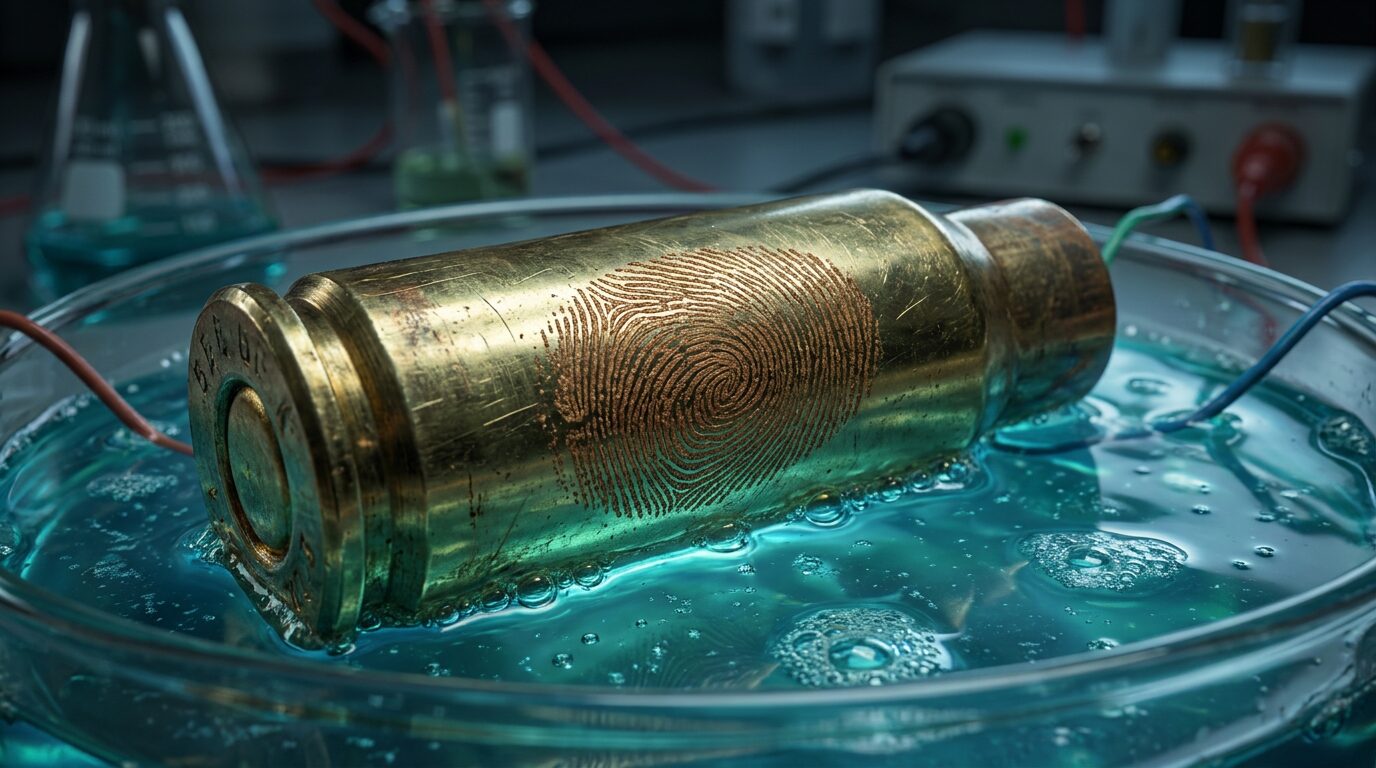
Forensic Science Just Recovered Fingerprints From a Fired Bullet. That Changes Everything.
A mild electrical current and a chemical bath just unlocked fingerprints from fired bullet casings — and the implications for cold cases and wrongful convictions are only beginning to surface.
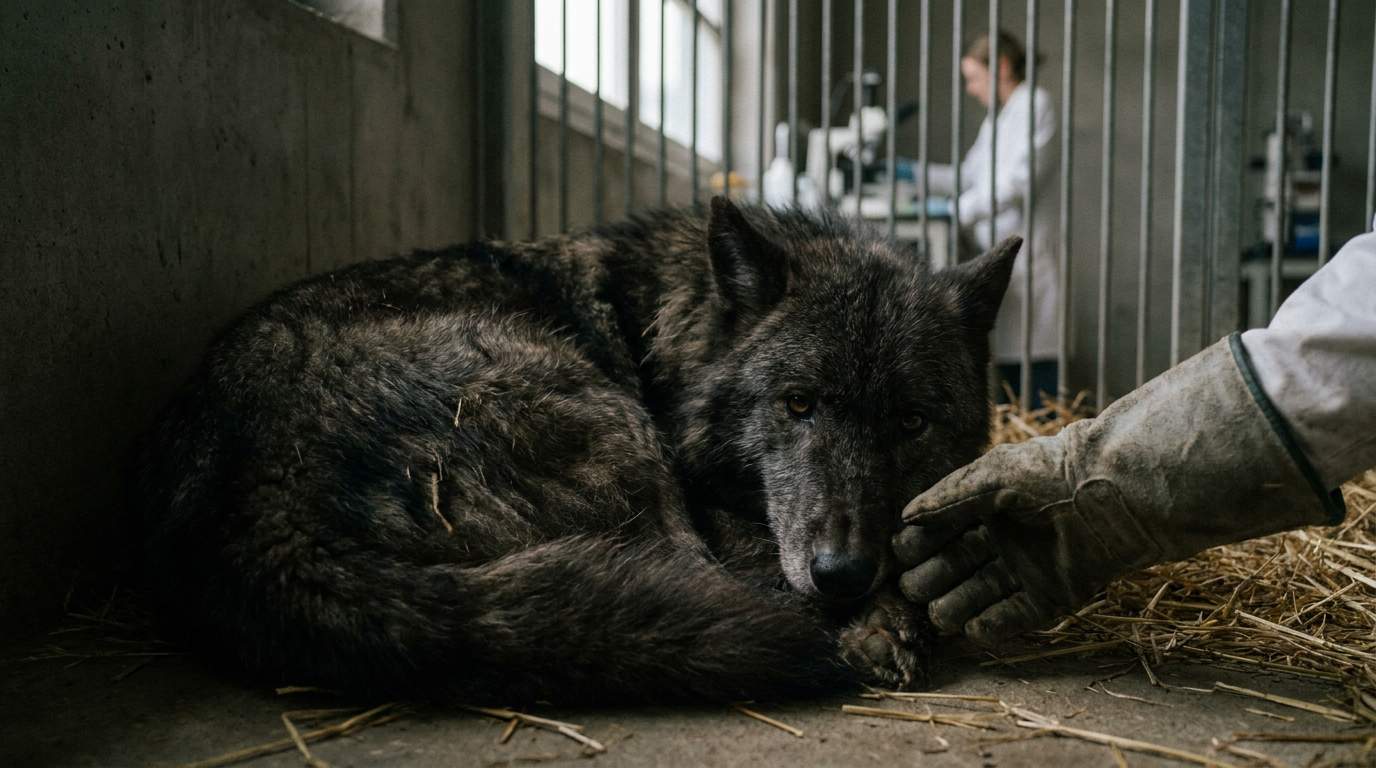
Colossal Brought Back the Dire Wolf. The Science Is Real. The Ethics Are a Minefield.
Colossal Biosciences just did something genomics said was decades away — and the hardest part isn't the science.
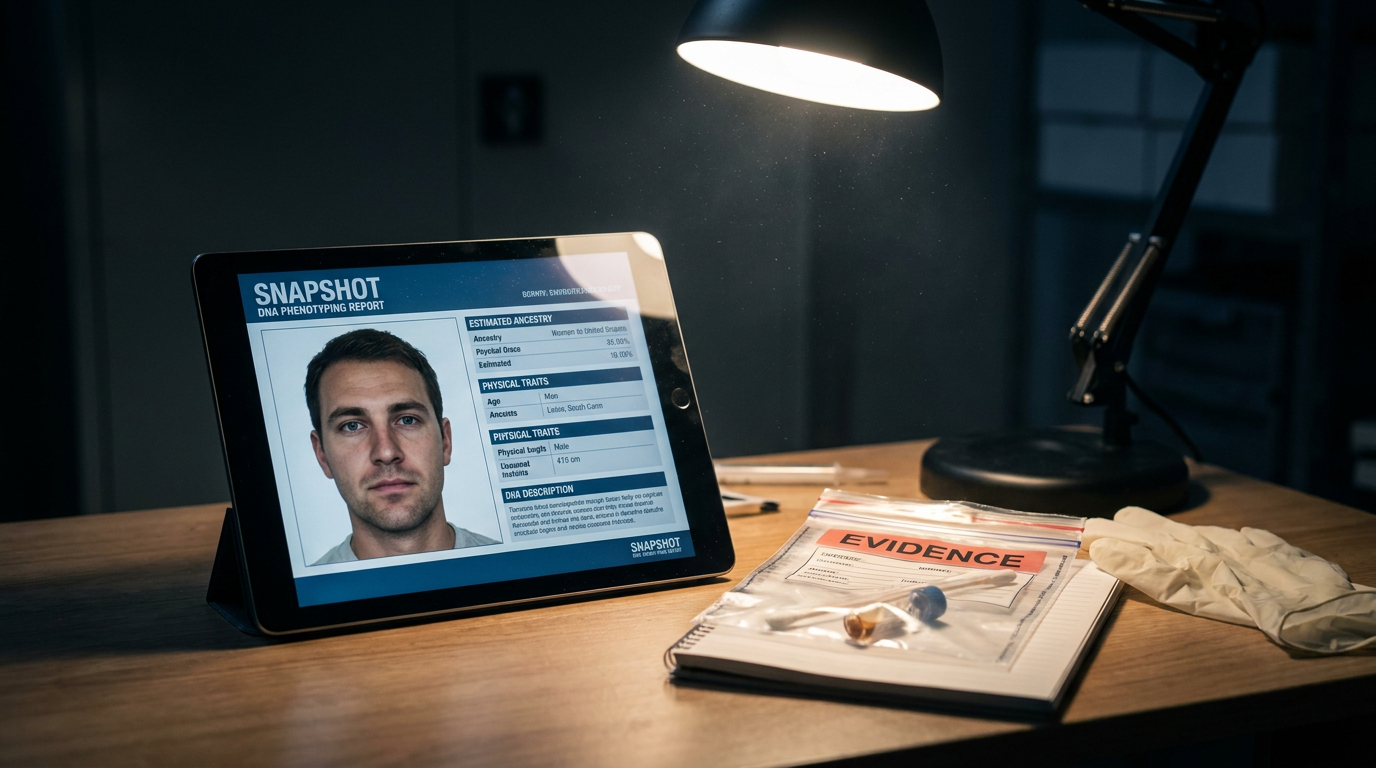
The DNA Face on the Wanted Poster Might Not Look Like Anyone
DNA phenotyping can predict hair color and ancestry with real precision — but the face shape pinned to a tip line is educated guesswork, and once a rendering goes public, it starts doing work the science never authorized.
Before 2018, DNA at a Crime Scene Only Helped If You Had a Name. One Database Changed That.
Before 2018, crime-scene DNA could only confirm a suspect you already had. Then investigators ran a killer's genome through a public genealogy database — and the entire logic of forensic identification broke open.
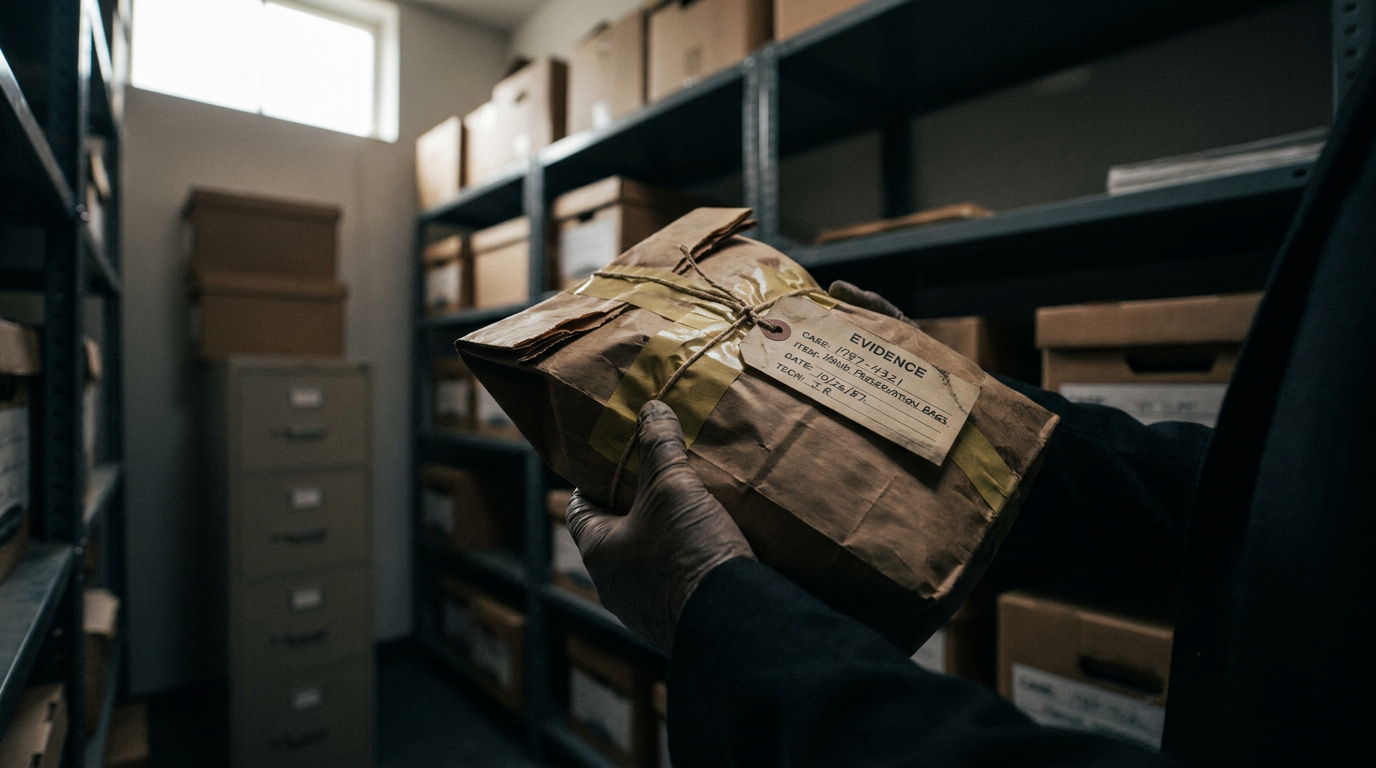
The Paper Bag Solved a 38-Year Murder Nobody Was Looking At
A 1987 homicide stayed cold not because the evidence was lost, but because the right question wasn't asked until 38 years later — and the answer was inside the most unremarkable items at the scene.
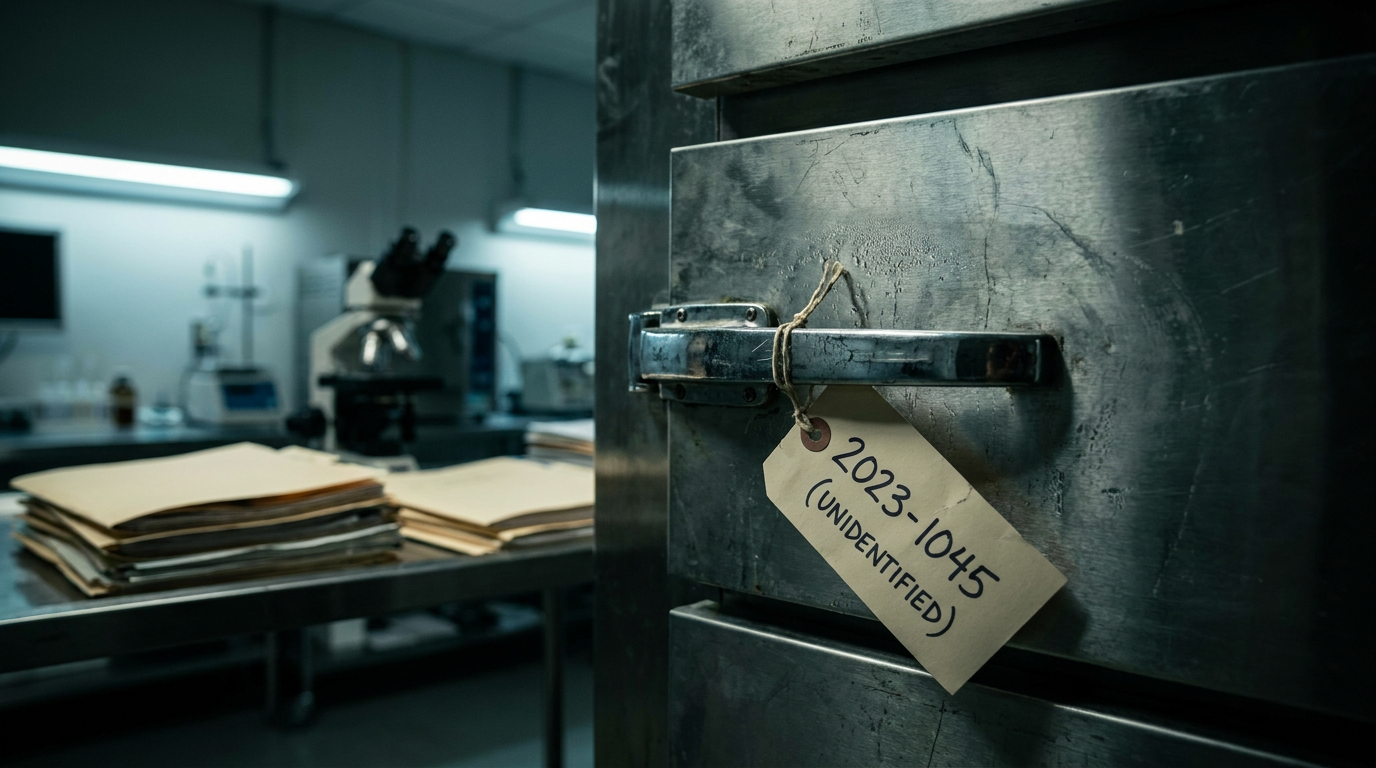
The Government Called Unidentified Remains a 'Silent Disaster.' Now DNA Is Naming the Dead.
America's unidentified dead have been piling up in morgues for decades — and the forensic genealogy companies working to name them are doing it with science that would have seemed impossible fifteen years ago.
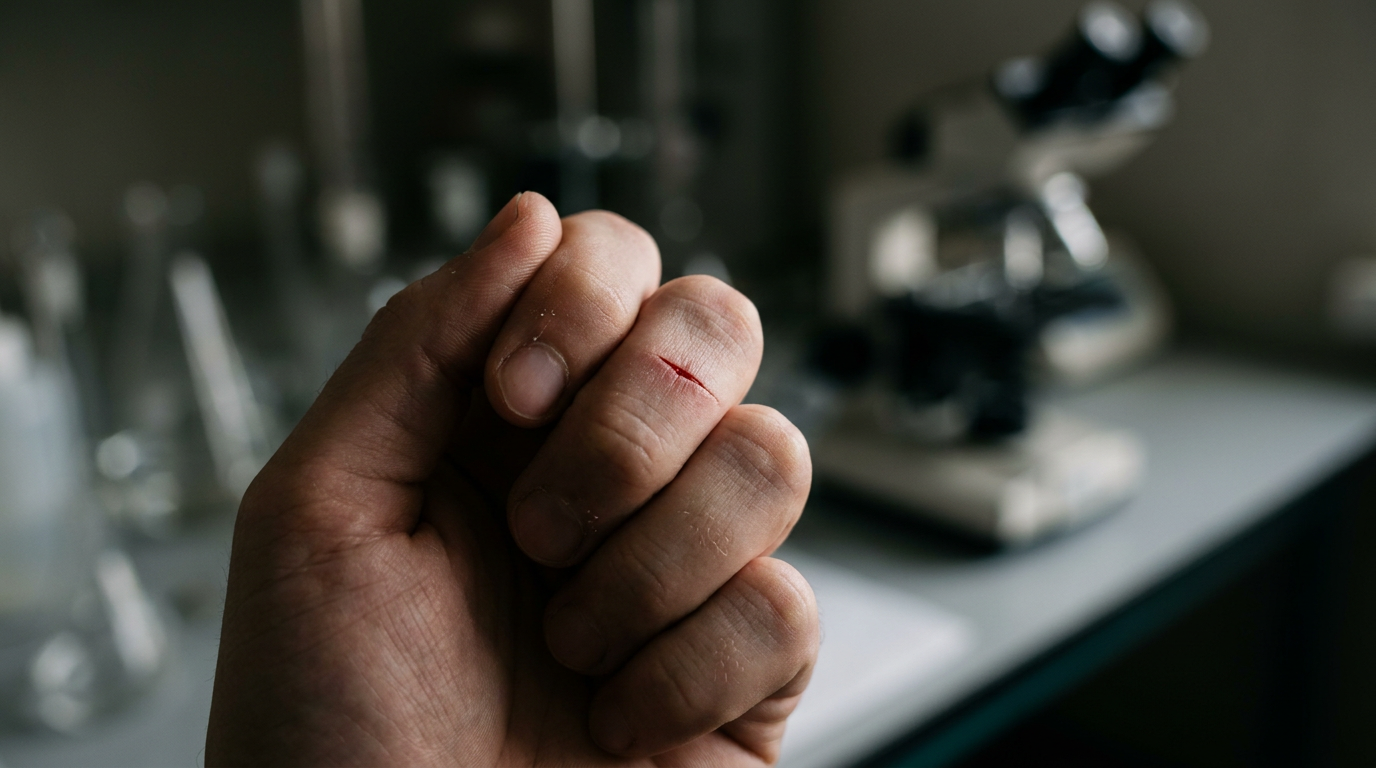
When You Cut Yourself, Your Gut Microbiome Changes. Here's the Exact Mechanism.
Researchers traced a single molecular signal from broken skin all the way to the colon, and what it does to gut bacteria there is not what anyone expected.
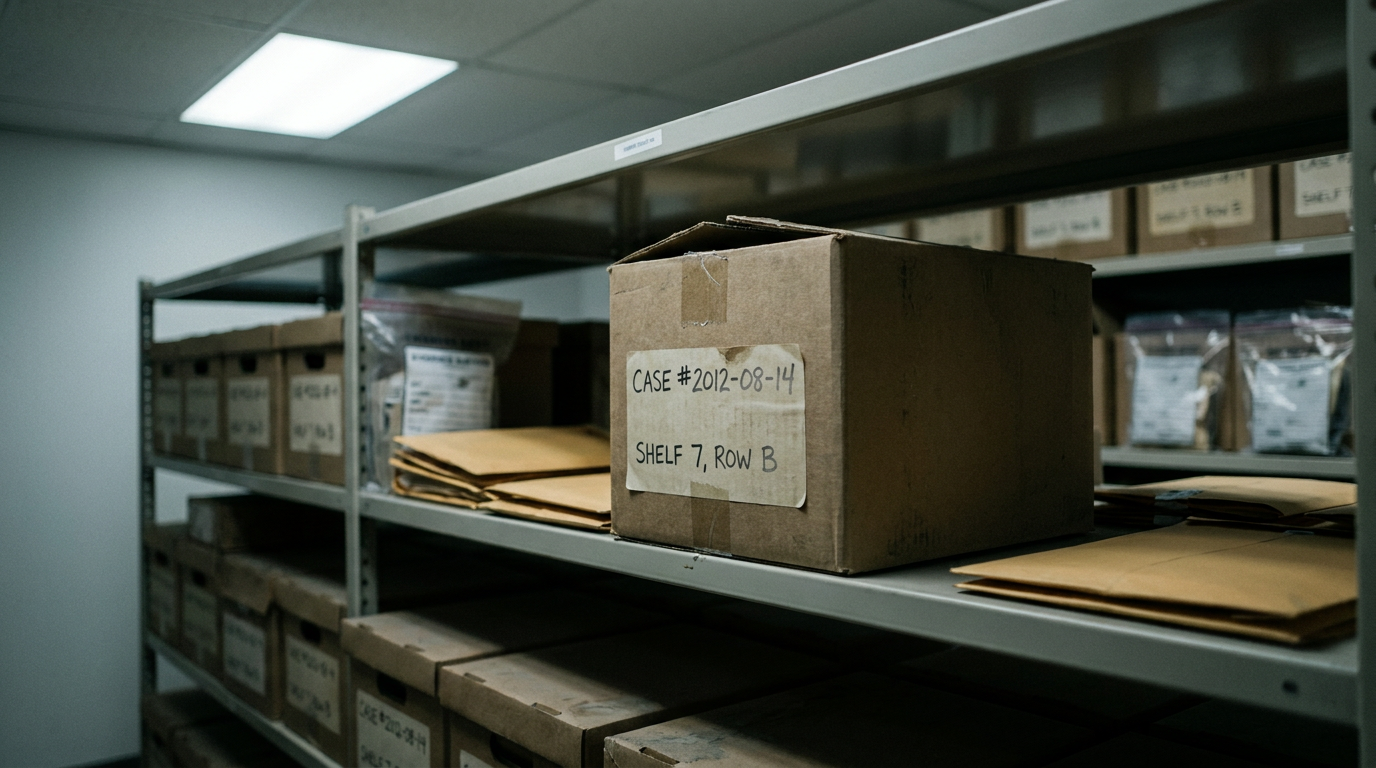
Forensic Labs Are Drowning in Evidence. Cold Cases Are Paying the Price.
State crime labs are sitting on years of untested evidence while proposed federal cuts threaten the one funding stream keeping the system alive — and the cases that disappear into the wait rarely come back.
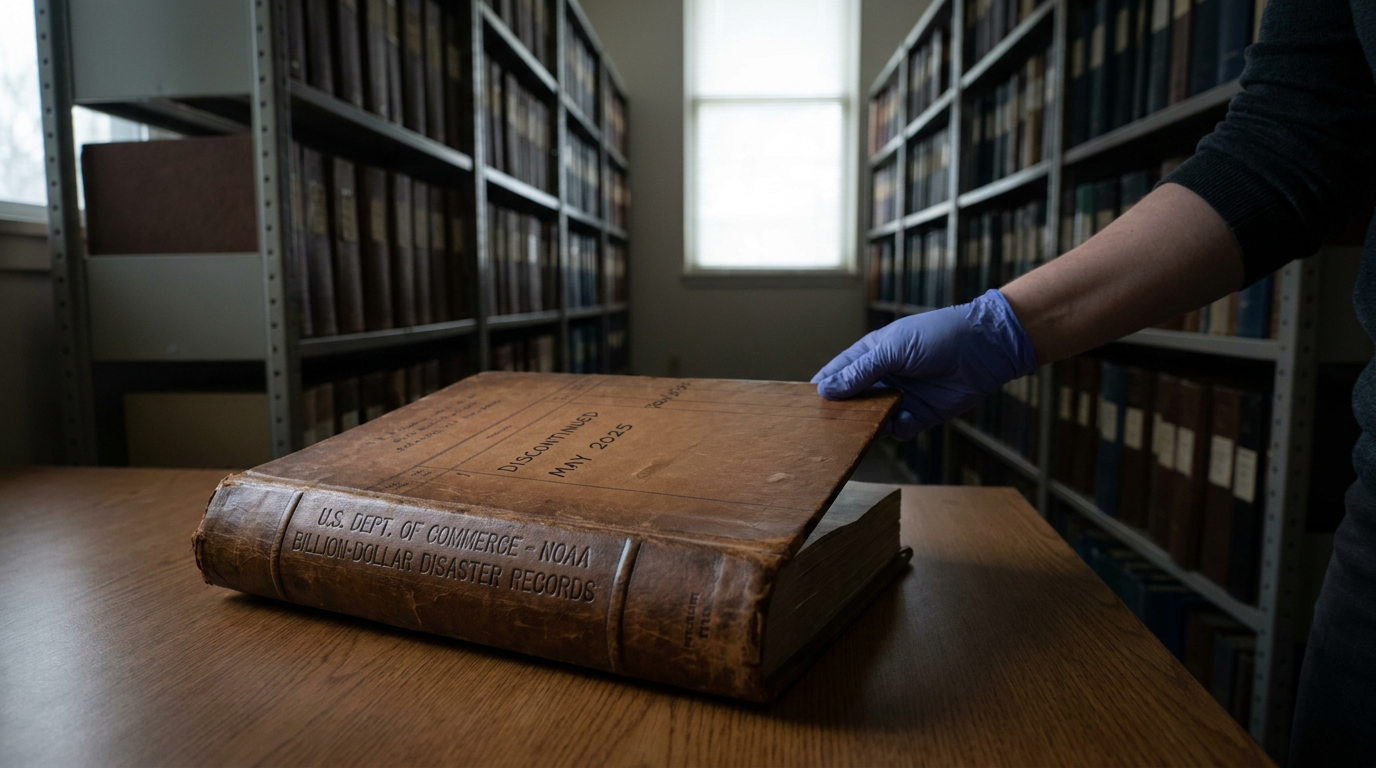
The Disaster Database NOAA Killed — And What Vanished with It
NOAA's Billion-Dollar Disasters database was the only continuous public ledger of American climate catastrophe — until it wasn't, and the story of what replaced it reveals something more troubling than its absence.
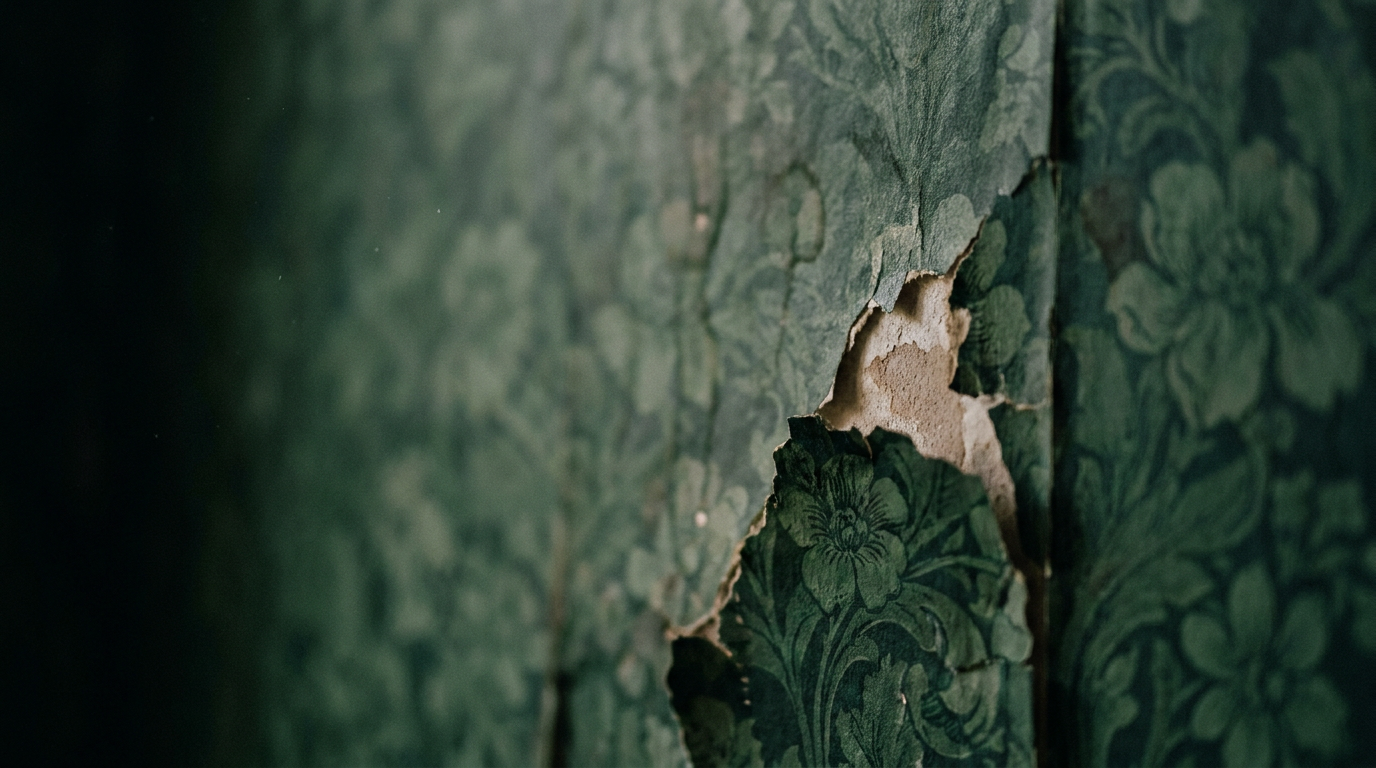
The Most Famous Wallpaper Designer in England Said the Deaths Were Hysteria. His Family Owned the Mine.
Victorian England's arsenic wallpaper crisis lasted half a century partly because its most eloquent defender had a financial stake in the very mines producing the poison.
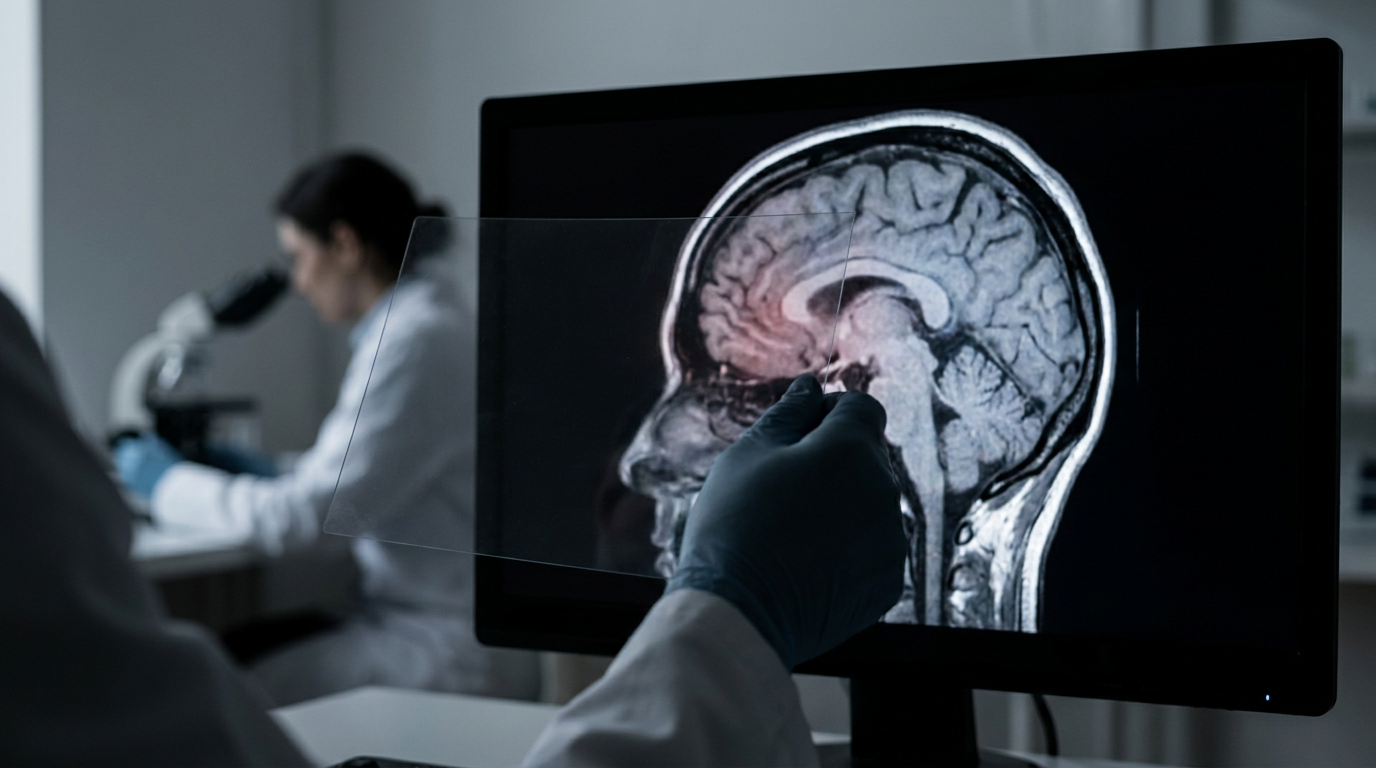
The Homicide Brain Is Not the Psychopath Brain. Scientists Finally Know the Difference.
A study of 800+ incarcerated men found gray matter reductions specific to homicide offenders — not in the rage centers, but in the regions that govern who you think other people are.
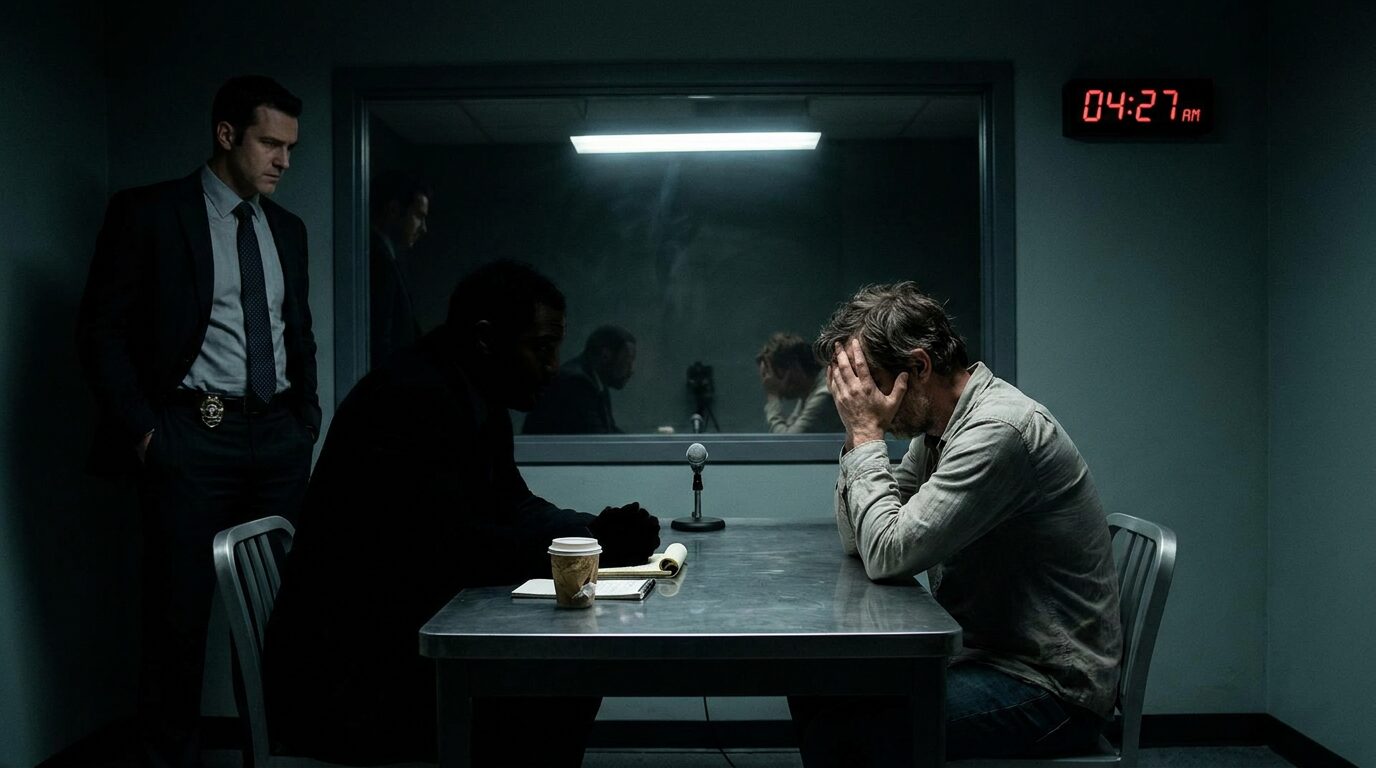
Innocent People Confess to Crimes They Didn't Commit. Here's the Exact Mechanism.
A sweeping analysis of 230 false confession studies has finally mapped the exact sequence of interrogation tactics that don't just pressure innocent people into confessing — they make them internalize it.
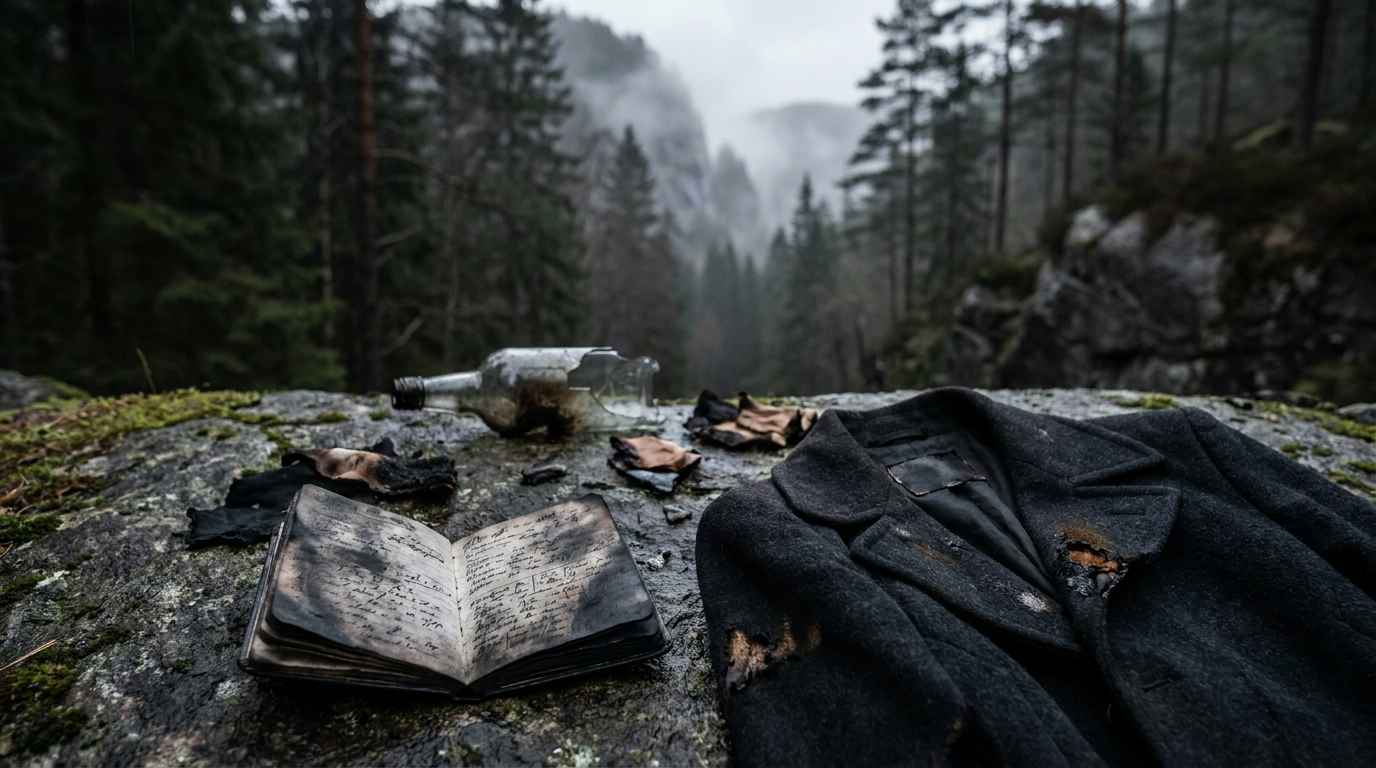
The Isdal Woman Had Nine Aliases, Fourteen Countries, and No Name. Norway Still Doesn't Know Why.
A burned body, a coded notepad, and labels cut from every piece of clothing — the Isdal Woman case is not short on evidence. It is short on a name, and the difference turns out to matter enormously.
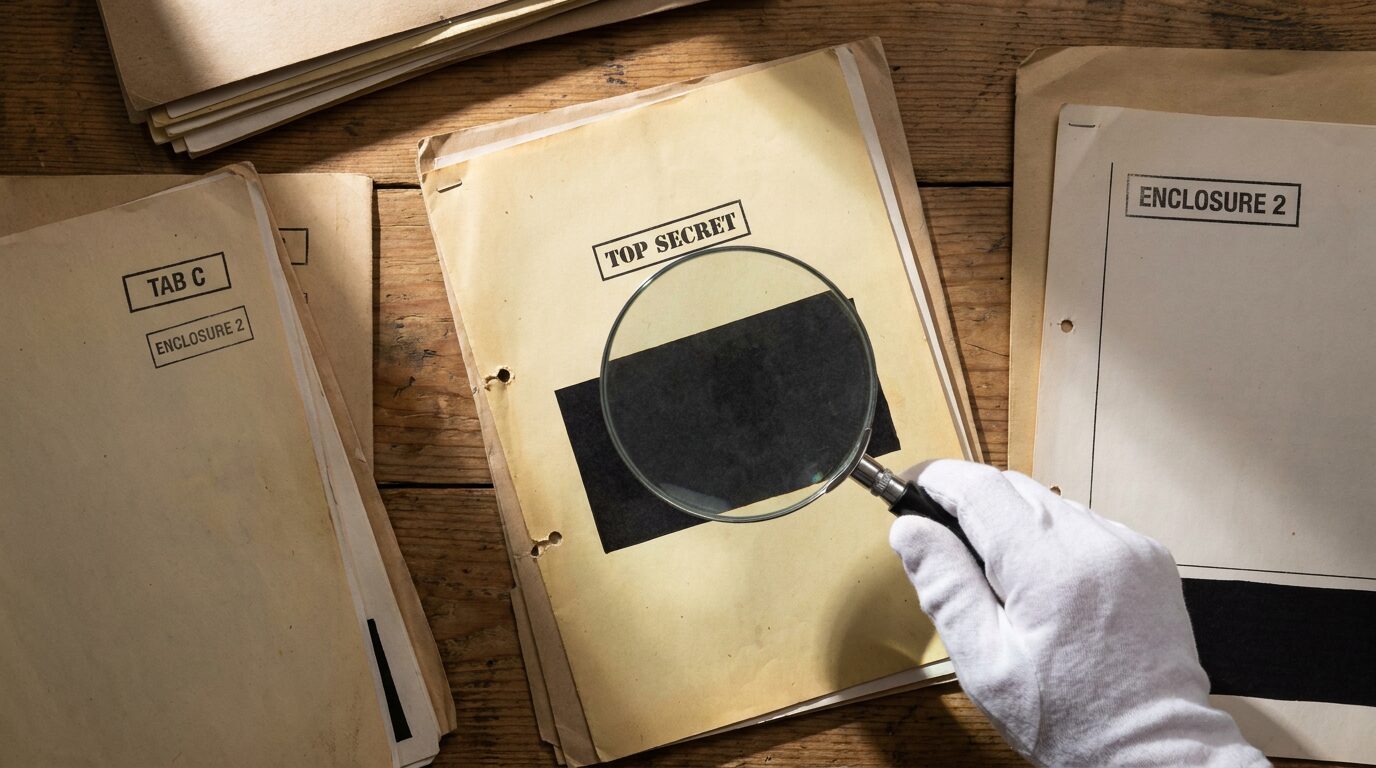
The Redaction Is the Document. How to Read What Governments Leave Out.
Intelligence historians have spent decades building a rigorous method for reading government absences — and it changes what you see in every document dump from the JFK files to the UAP disclosures.
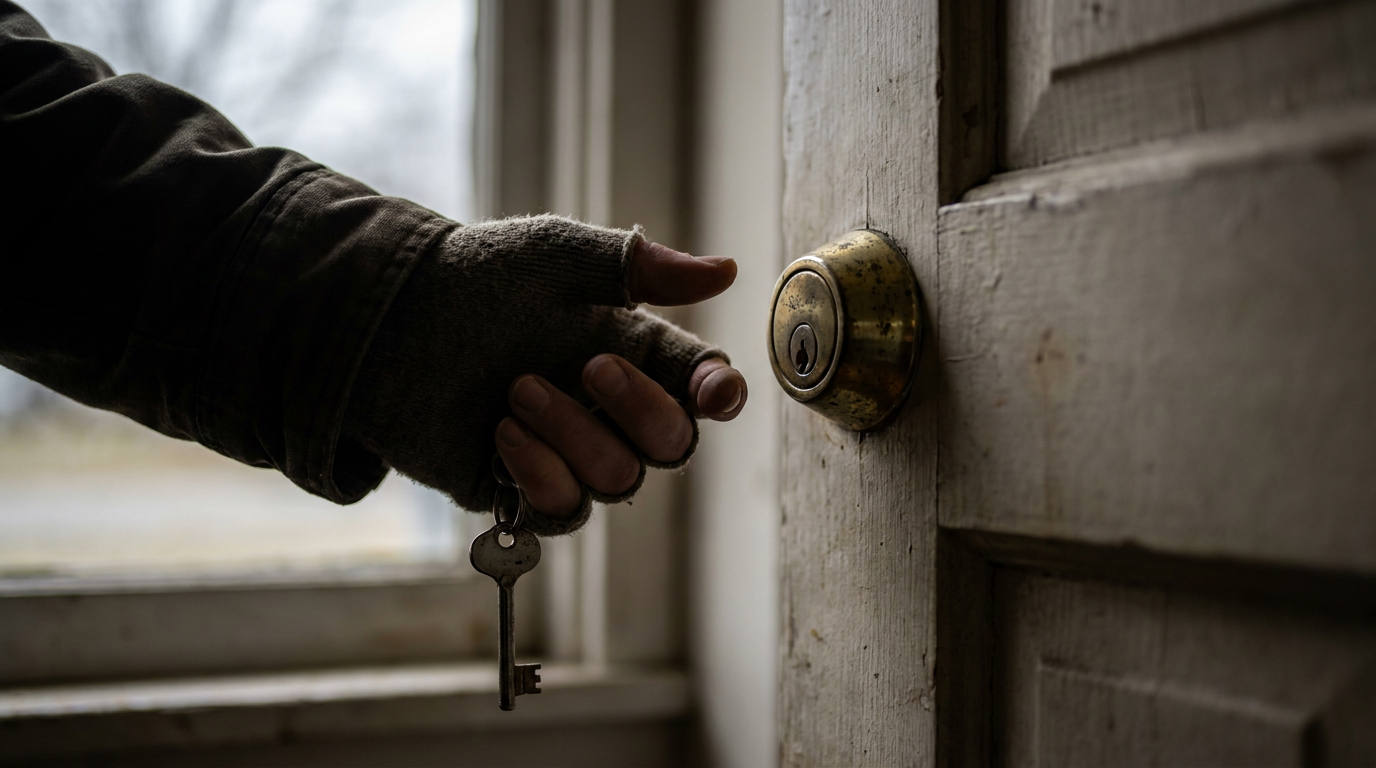
The Reason You Can't Remember Whether You Actually Locked the Door
The same flaw that makes eyewitness testimony collapse in court is why standing in your driveway, replaying the morning, will never actually tell you what you need to know.