Science History
The strange, brutal, brilliant history of how humans learned what the world is made of.
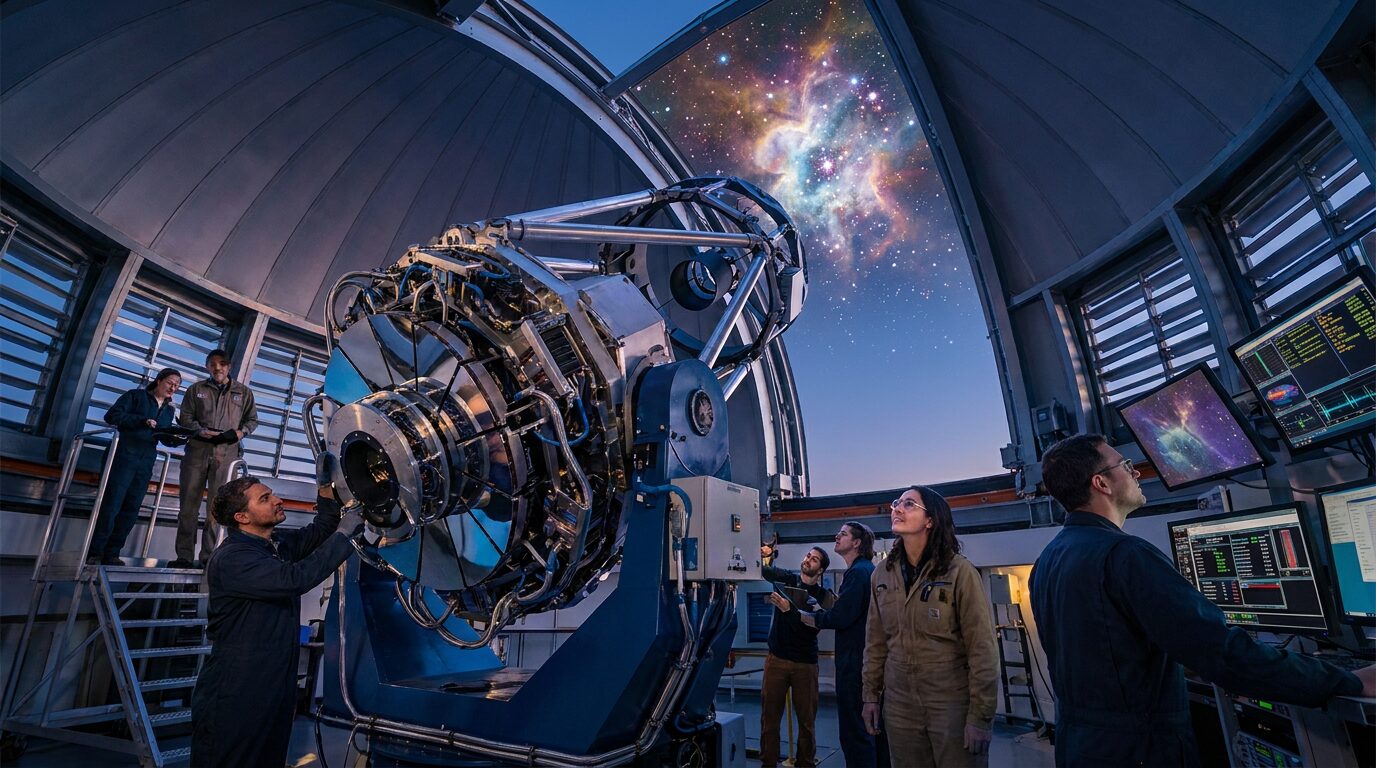
What Every Nobel Prize Winner Had in Common—And It Wasn't Brilliance
A sweeping new study of every Nobel Prize and major non-Nobel breakthrough in history reveals the same mechanism hiding beneath all of them — and it has almost nothing to do with genius.
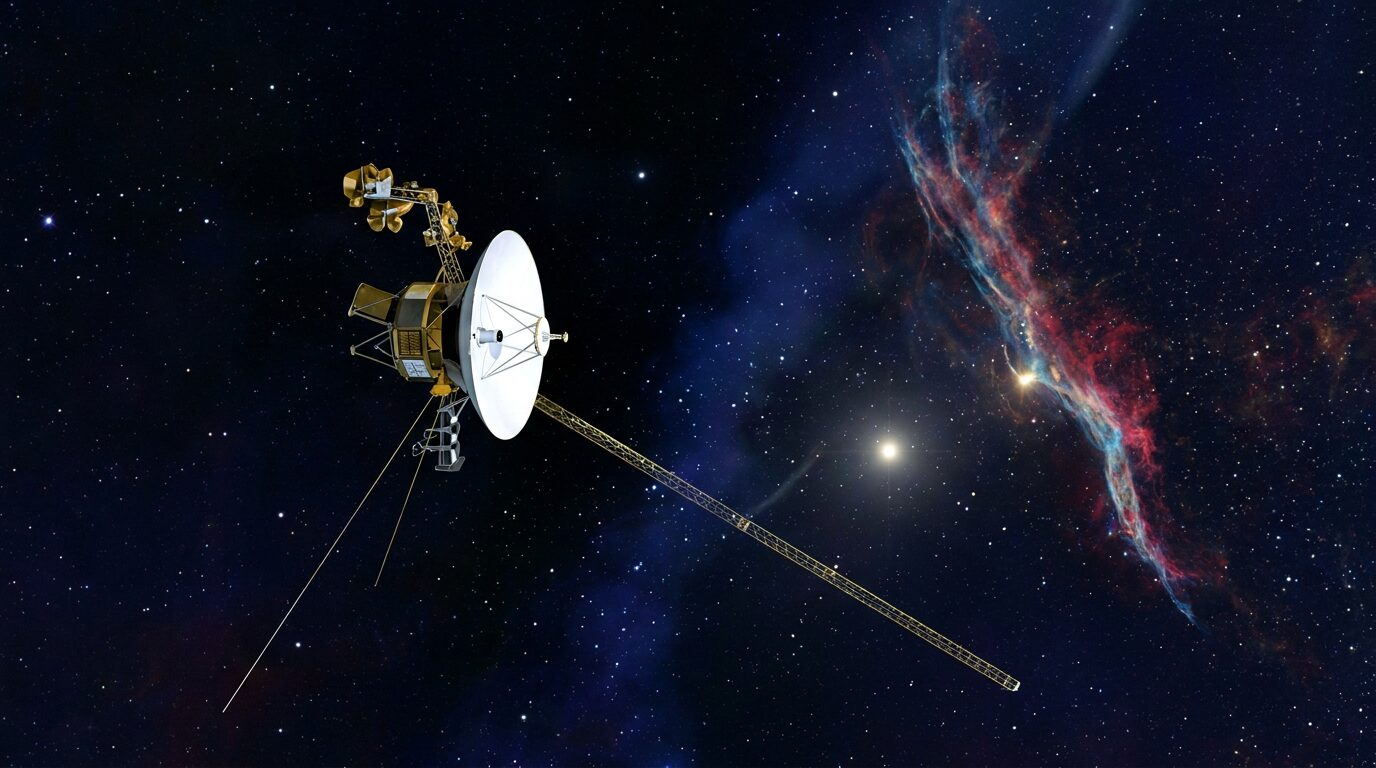
The Voyager's Incredible Voyage: In November 2026, Voyager 1 Crosses a Distance Measured Only in Light
In November 2026, a 1970s spacecraft will pass a threshold so remote that the physics of light itself becomes the only useful ruler.
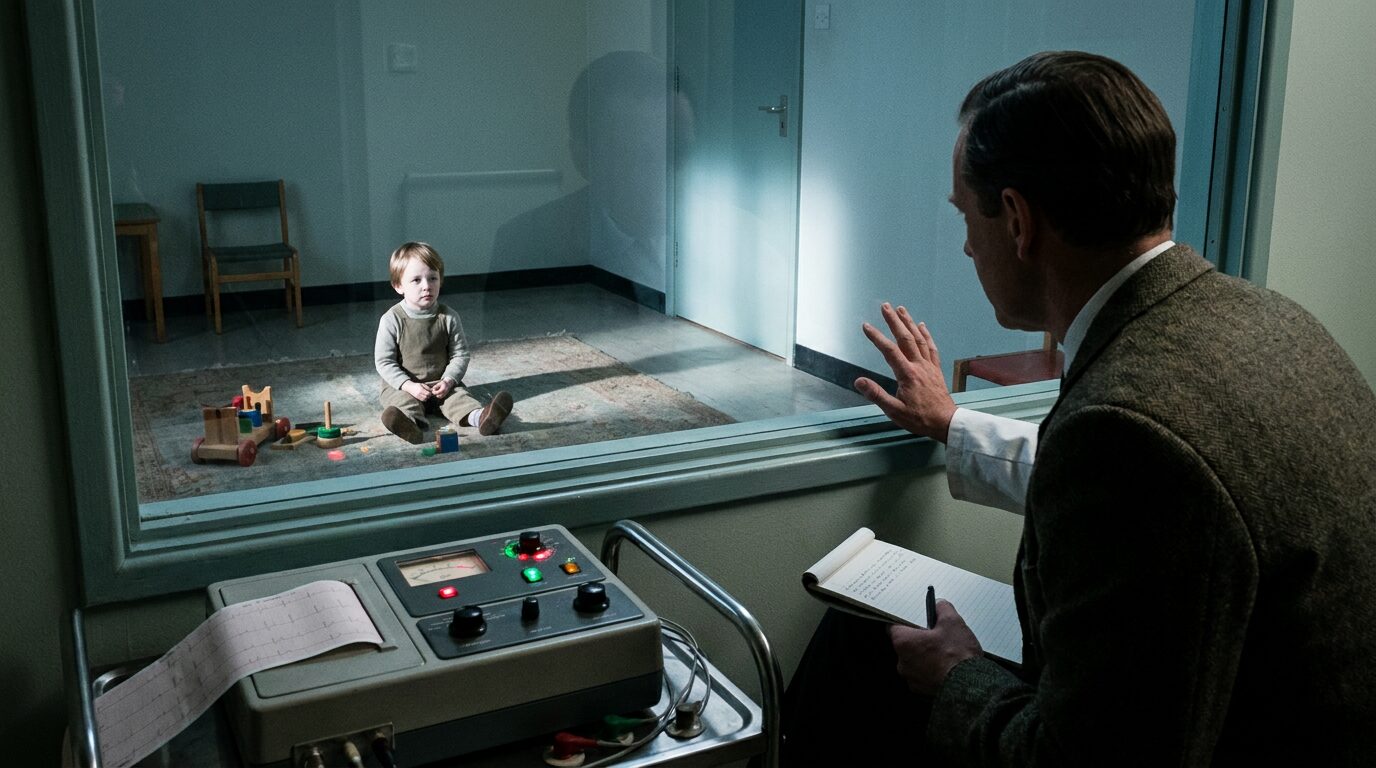
The Scientist Who Decided Loneliness Was a Medical Emergency — In 1958
John Bowlby had the physiological evidence before most doctors believed social disconnection could hurt you — and the story of how he was dismissed tells you something important about how medicine decides what's real.
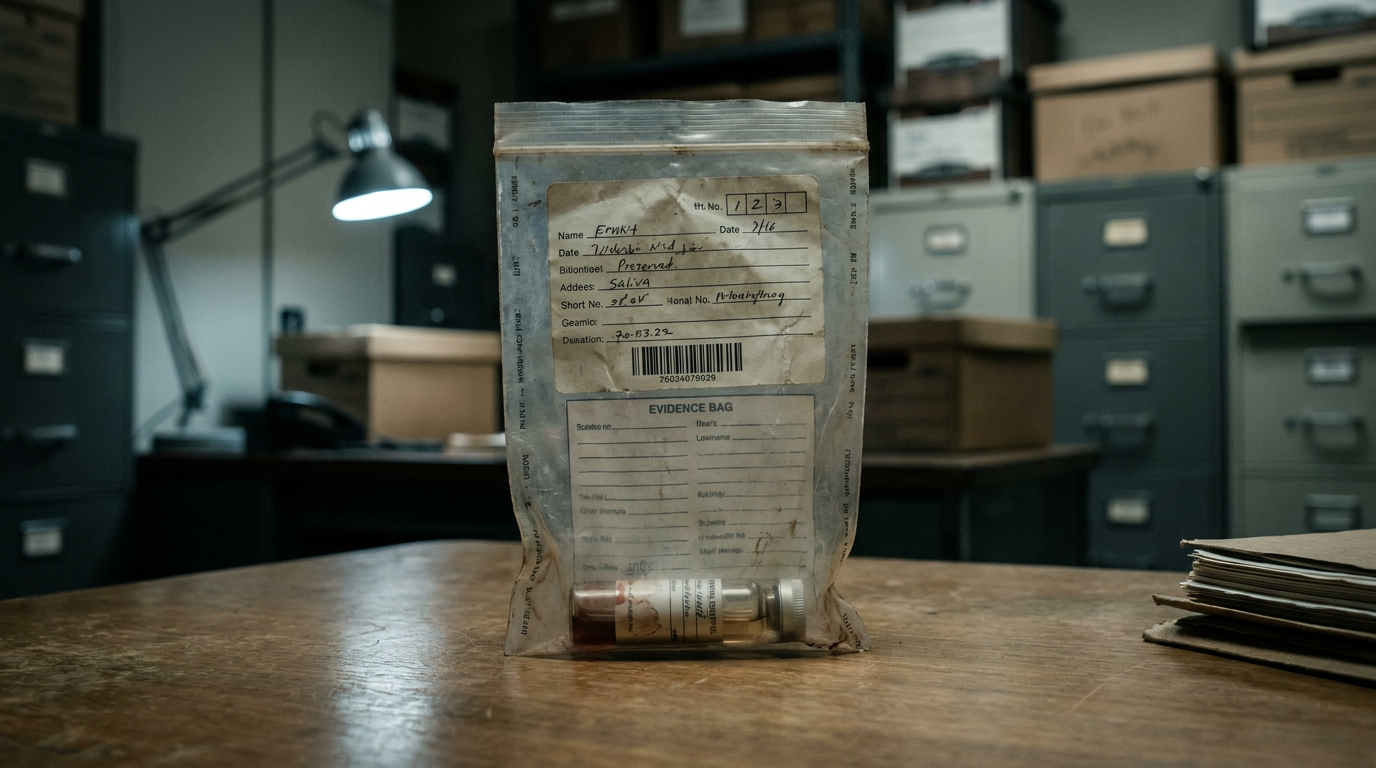
Before 2018, DNA at a Crime Scene Only Helped If You Had a Name. One Database Changed That.
Before 2018, crime-scene DNA could only confirm a suspect you already had. Then investigators ran a killer's genome through a public genealogy database — and the entire logic of forensic identification broke open.
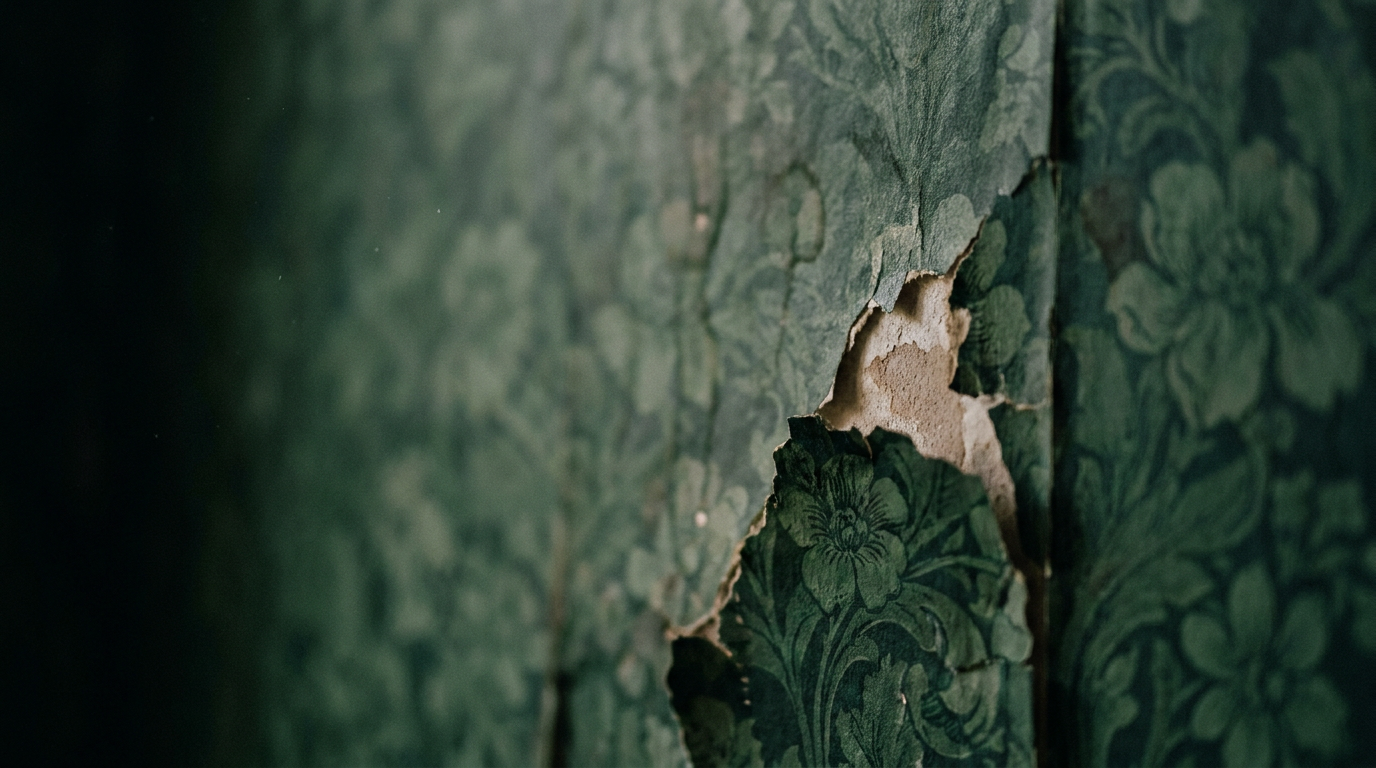
The Most Famous Wallpaper Designer in England Said the Deaths Were Hysteria. His Family Owned the Mine.
Victorian England's arsenic wallpaper crisis lasted half a century partly because its most eloquent defender had a financial stake in the very mines producing the poison.
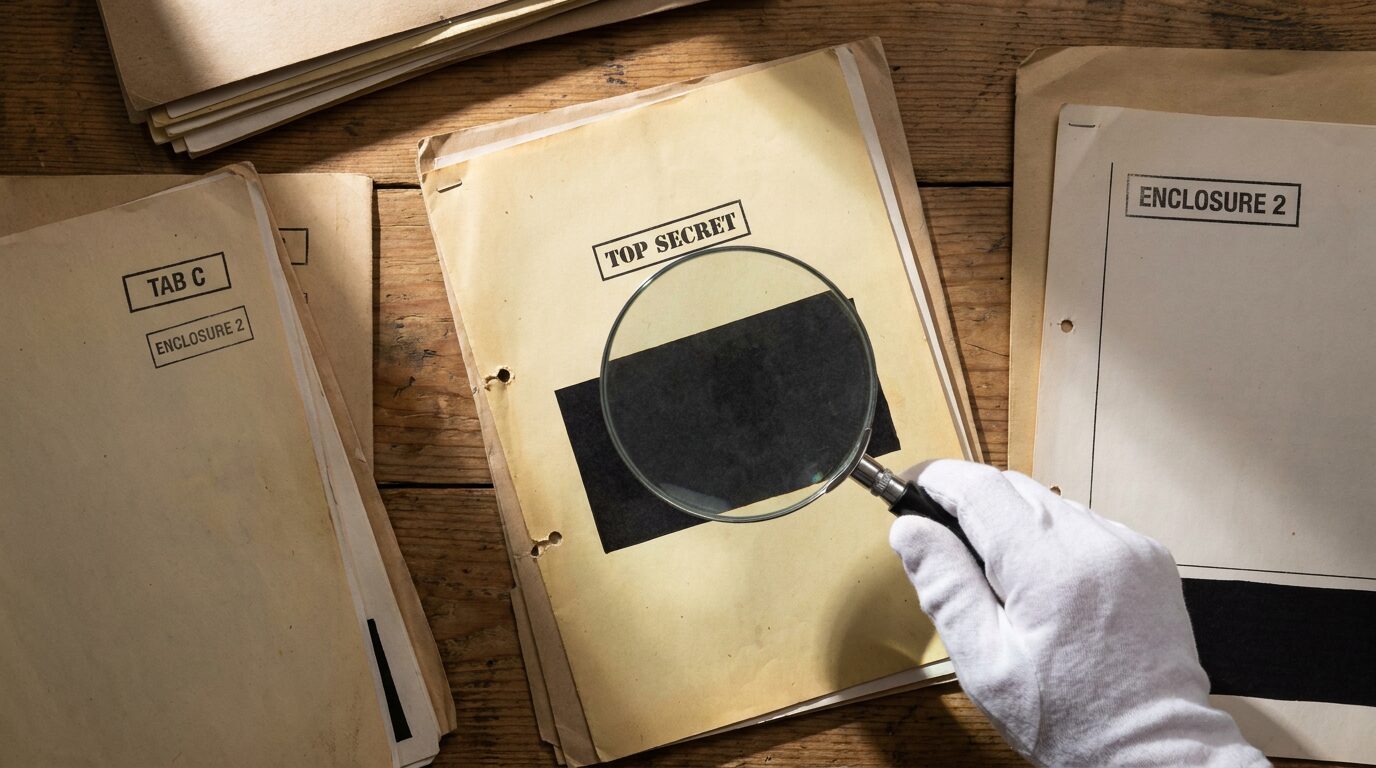
The Redaction Is the Document. How to Read What Governments Leave Out.
Intelligence historians have spent decades building a rigorous method for reading government absences — and it changes what you see in every document dump from the JFK files to the UAP disclosures.