Neuroscience & Longevity
Memory, focus, aging, neuroprotection, and the real science of keeping your brain alive longer and working better.
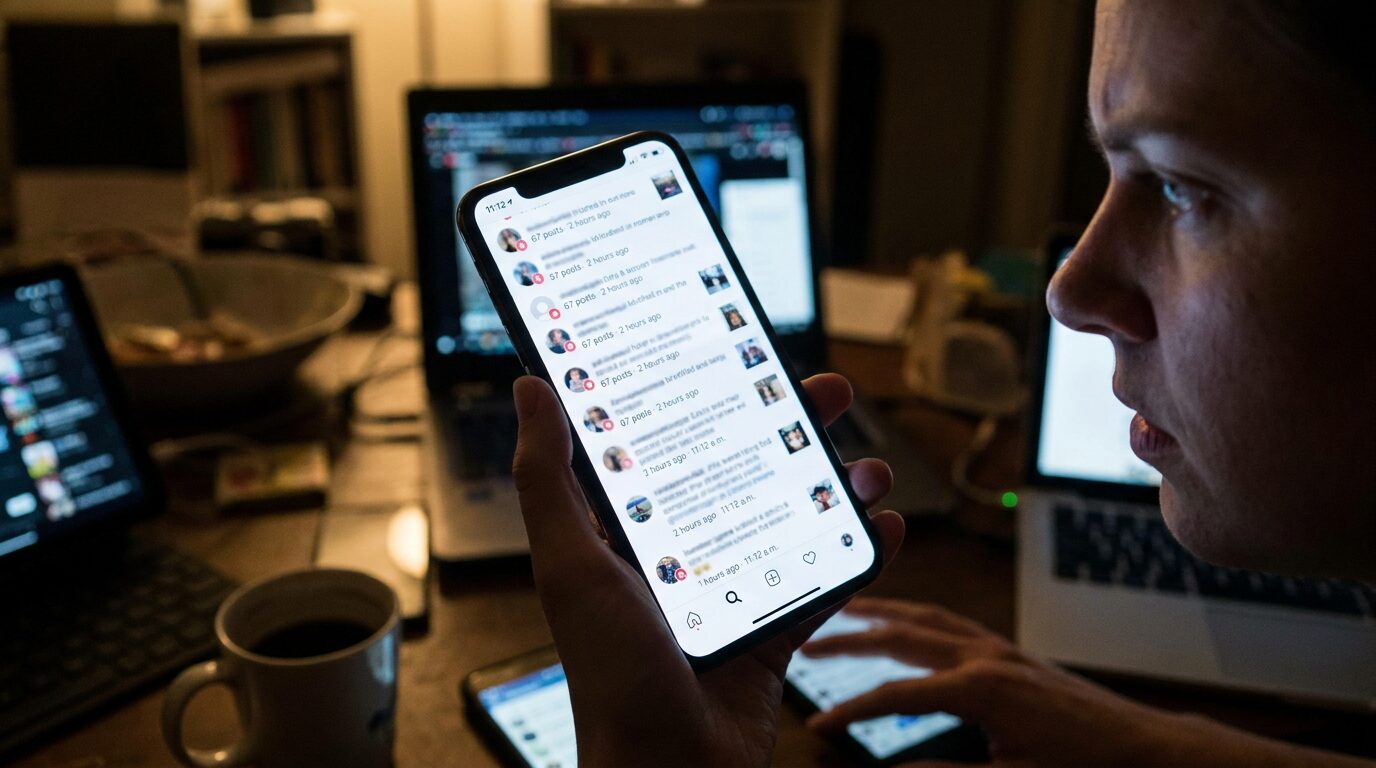
What 67 Posts in Two Hours Actually Reveals About the Human Brain Under Pressure
Trump's escalating Truth Social posting patterns are genuinely unusual — and a neuroscientist's instinct isn't to diagnose, but to ask the harder questions the data raises.
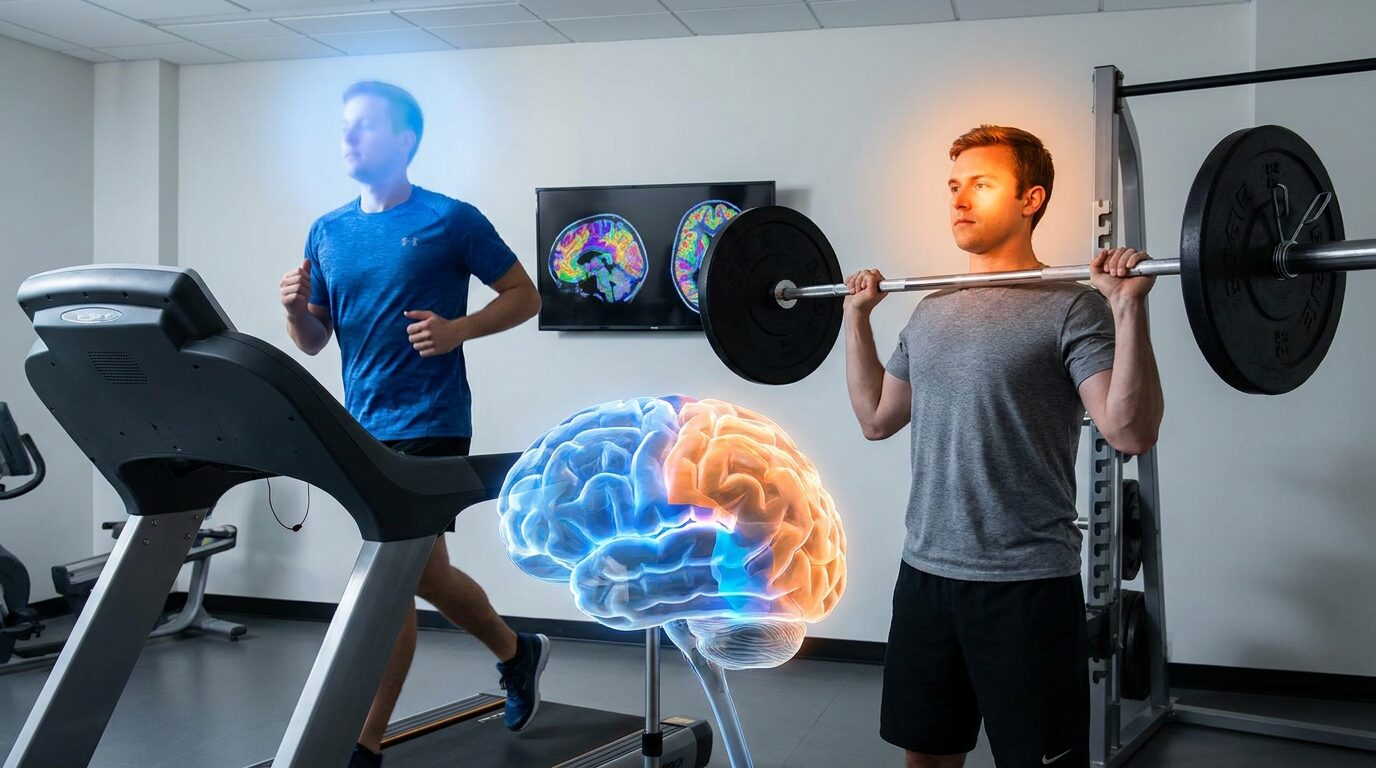
Lifting Weights Does Something to Your Brain That Running Simply Can't
New expert analysis confirms that aerobic and resistance training drive distinct changes in brain structure and chemistry — meaning the exercise routine most people follow may be protecting only half of what matters.
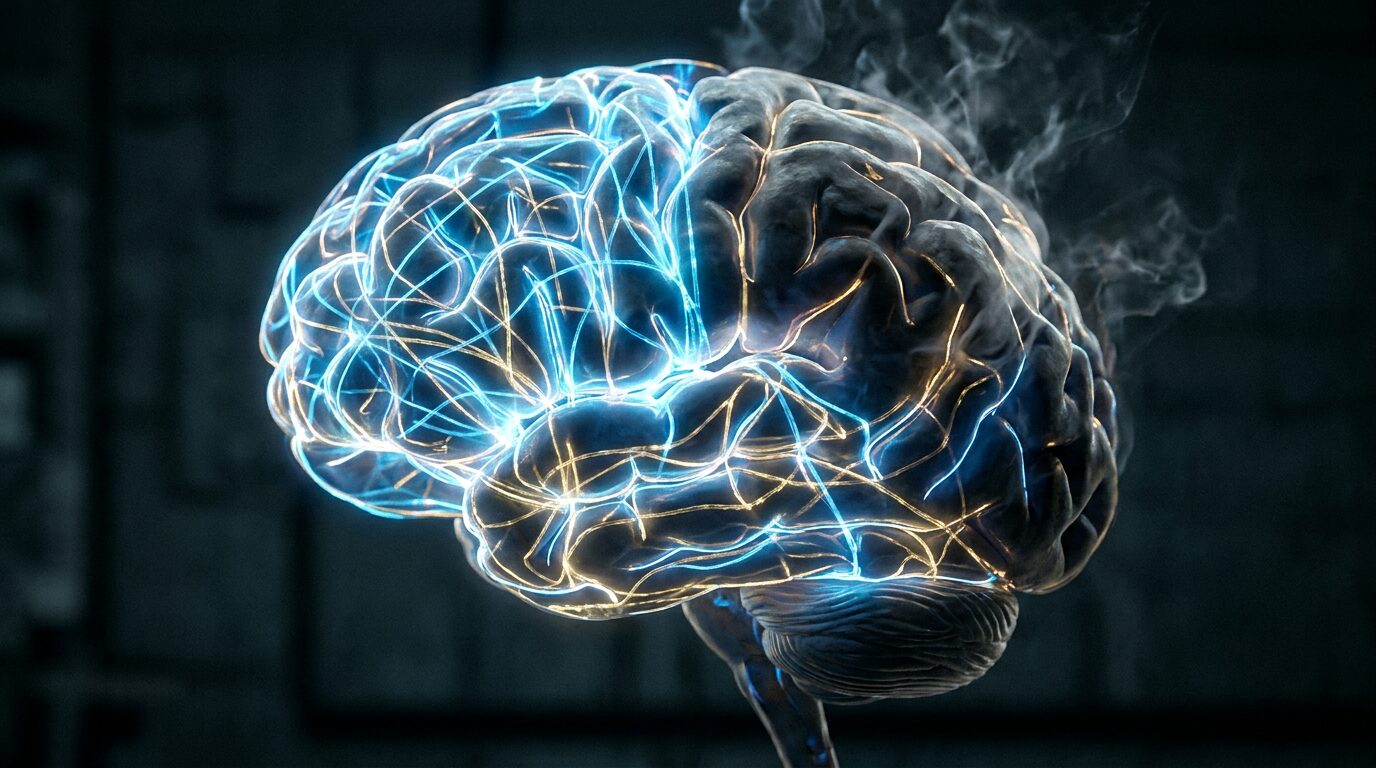
The Cruel Bargain of a Sharp Mind: Years of Protection, Then Sudden Decline
Cognitive reserve delays dementia symptoms by years — but the same buffer that buys time may compress what comes after into something far more brutal.
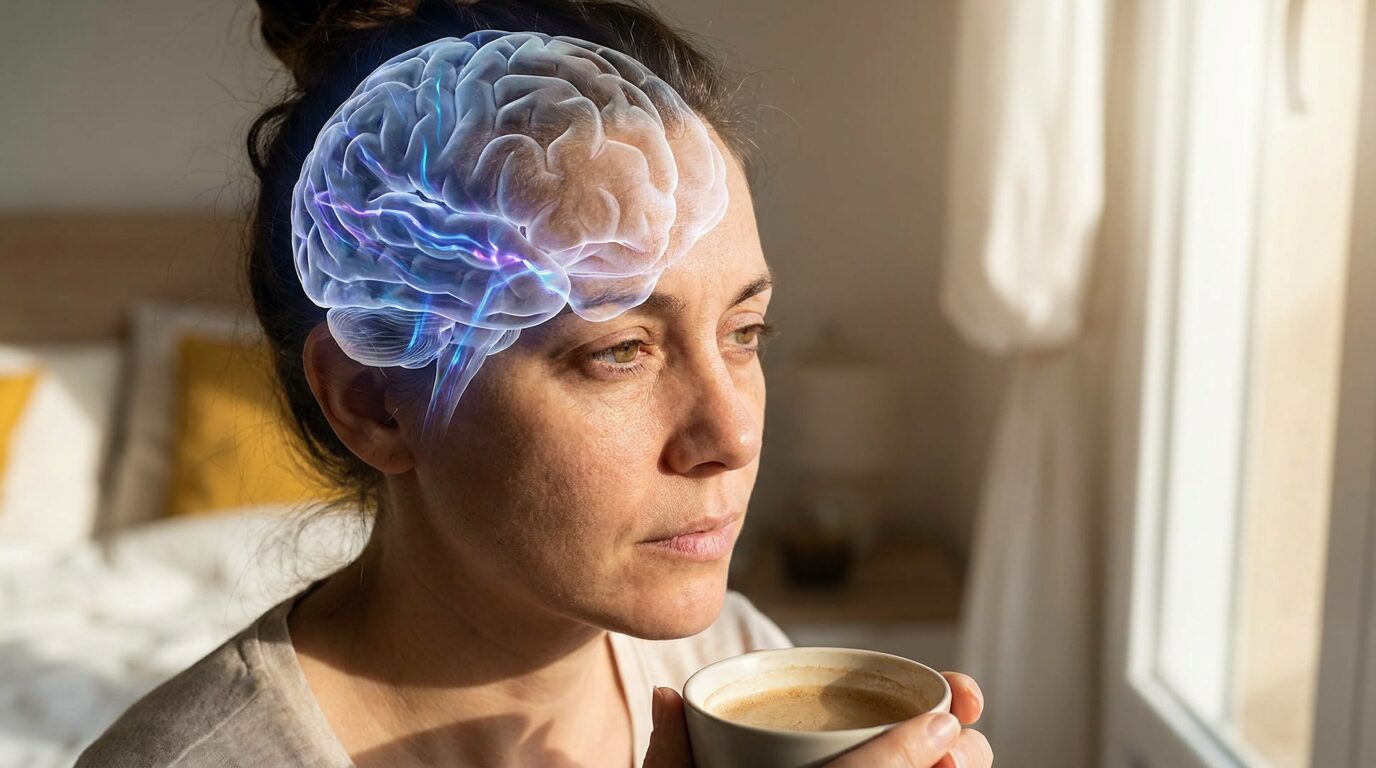
What Happens to Your Brain During One Sleepless Night—And Why Recovery Sleep Doesn't Fully Erase It
Brain scans after total sleep deprivation show measurable aging — but the reversal hiding inside one recovery night reveals something stranger about what chronic poor sleep quietly accumulates.

When Your Brain Zones Out, It's Secretly Trying to Sleep
New research reveals that the blank moments after a bad night aren't attention failures — they're your brain triggering actual sleep episodes while you're still technically awake.
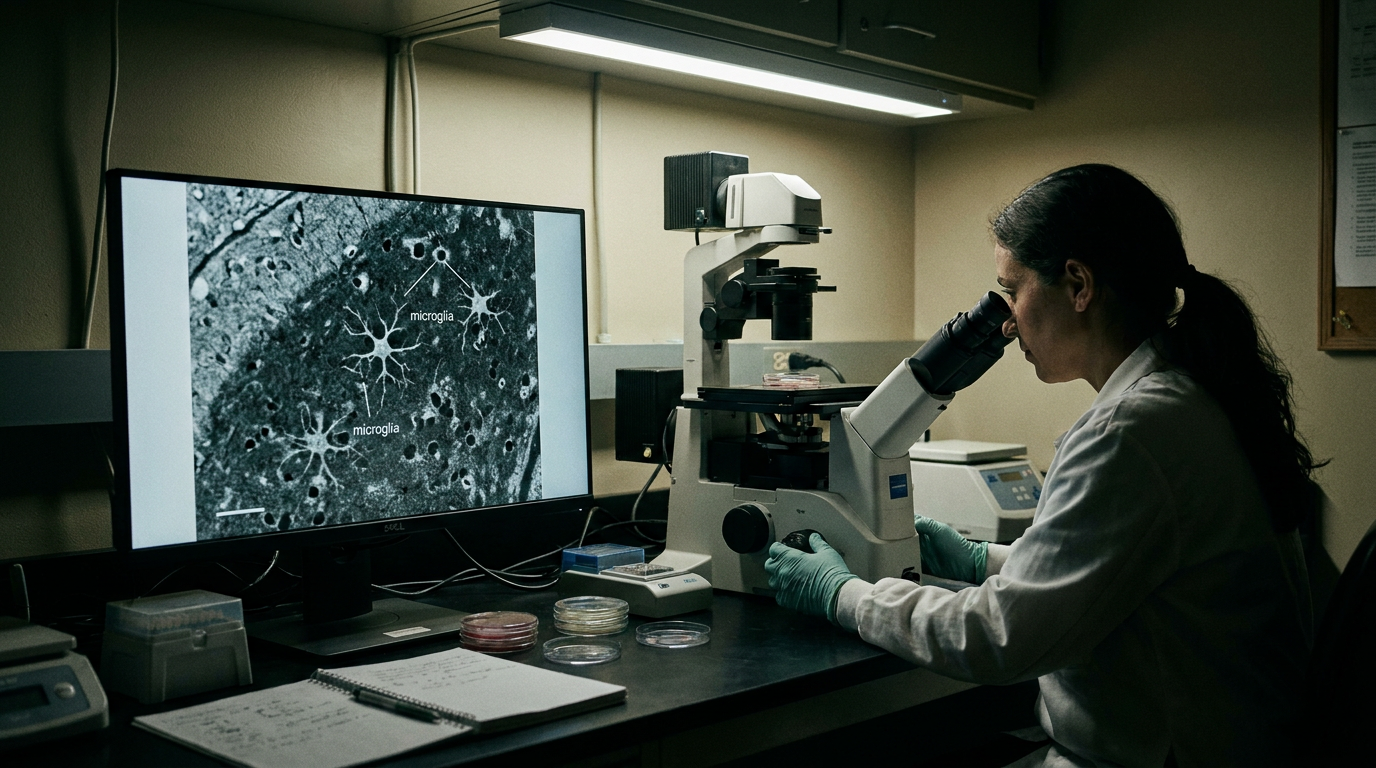
The Brain's Immune System Is Supposed to Protect You. With Age, It Starts Working Against You.
Microglia — the brain's resident immune cells — spend a lifetime learning to protect you, then gradually flip into a state that erodes the very circuits they were built to defend.
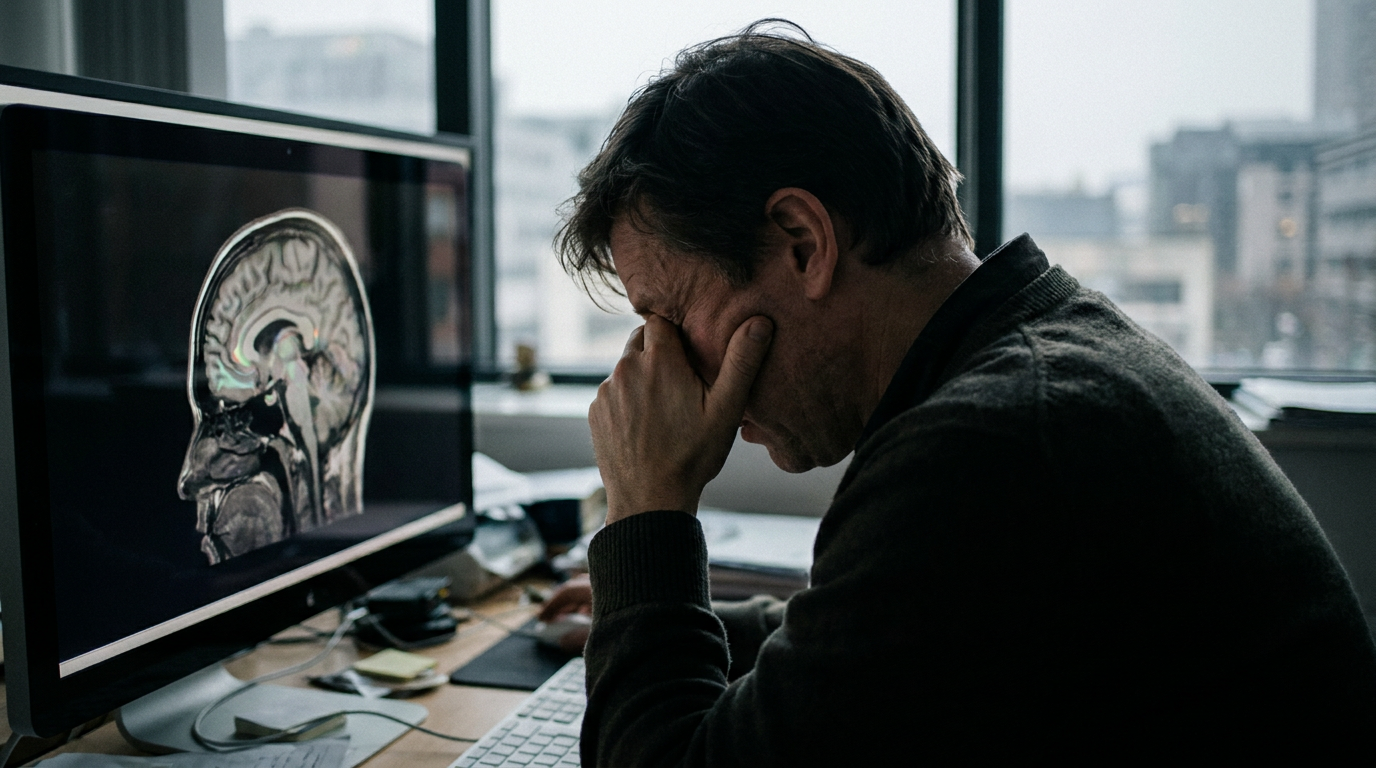
Burnout Doesn't Just Exhaust You. It Rewires Your Brain.
New neuroimaging research shows burnout leaves fingerprints on the brain itself — and understanding what those fingerprints are changes everything about how we think, treat, and talk about it.
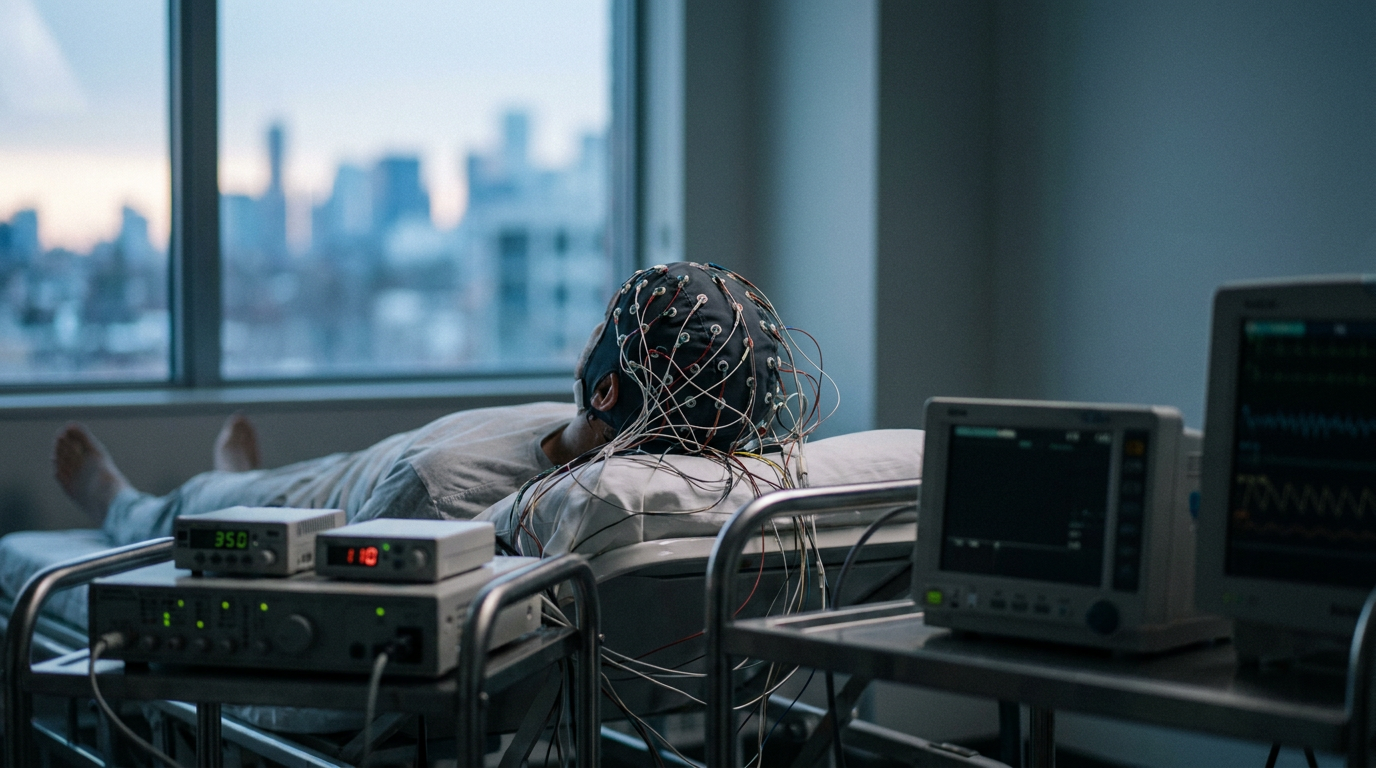
Your Brain Washes Itself at Night. Here's What Breaks the Drain.
A 2025 trial confirmed the brain flushes Alzheimer's proteins overnight — but the specific sleep conditions that make that flush work are messier, and more contested, than anyone is telling you.

Your Brain Isn't Keeping Memories. It's Holding Auditions.
New research reveals that long-term memory isn't a snapshot — it's a slow biological negotiation happening in your brain for hours after an experience ends.
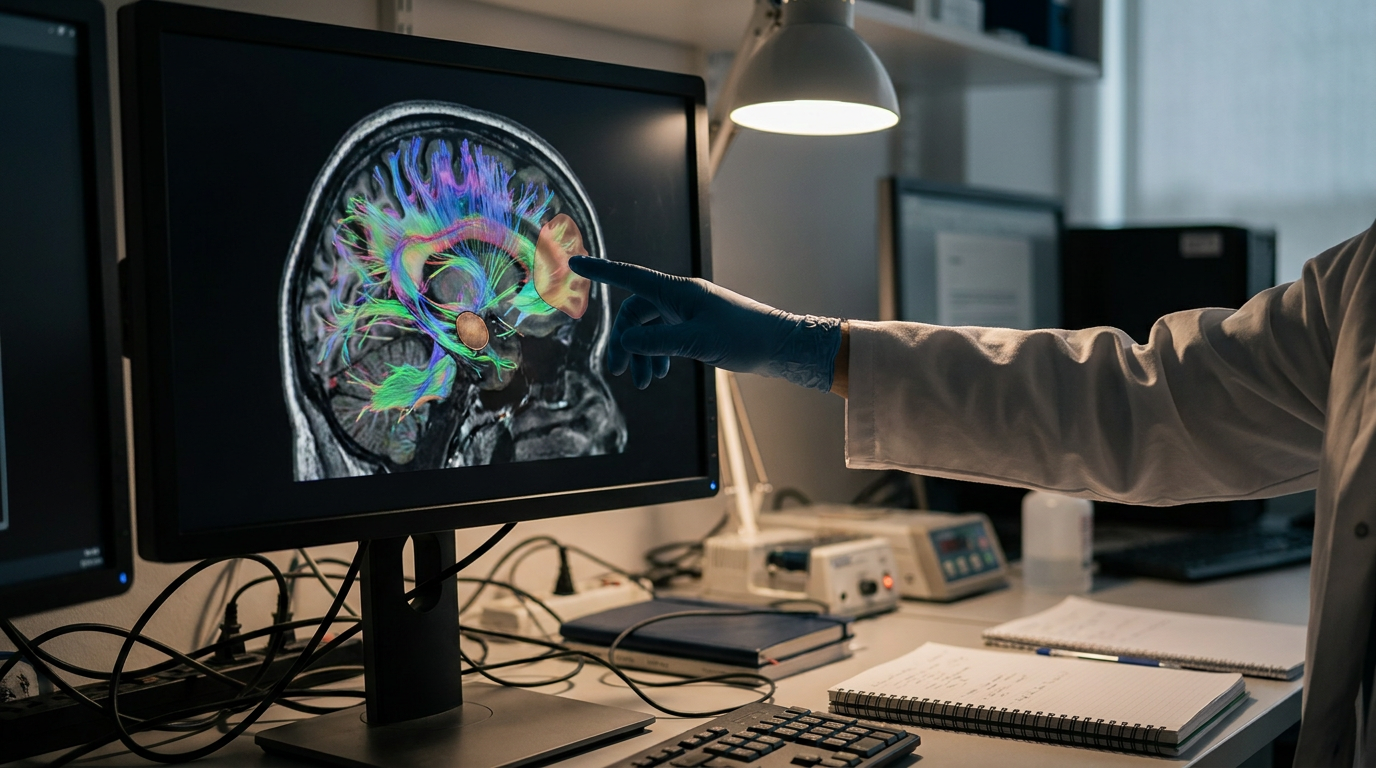
Your Brain on Chronic Dysregulation Is Physically Different — Here's How
Decades of neuroimaging research point to a measurable breakdown in how two key brain regions talk to each other — and it reframes what we think we know about emotional 'overreaction.'

Your Body Clock Is a Better Dementia Predictor Than Your Sleep Hours
A major study found that people with fragmented circadian rhythms had 2.4 times the dementia risk — and the mechanism points to something sleep duration alone can't fix.

Your Amygdala Changes at 40 — And That's Not a Bad Thing
Midlife doesn't blunt your emotional brain — it rewires how it decides what's worth fearing.

Your Brain Deletes Memories on Purpose — Here's Why That Might Save It
Forgetting isn't the enemy of a healthy brain; new research suggests it may be one of the brain's most important maintenance jobs.
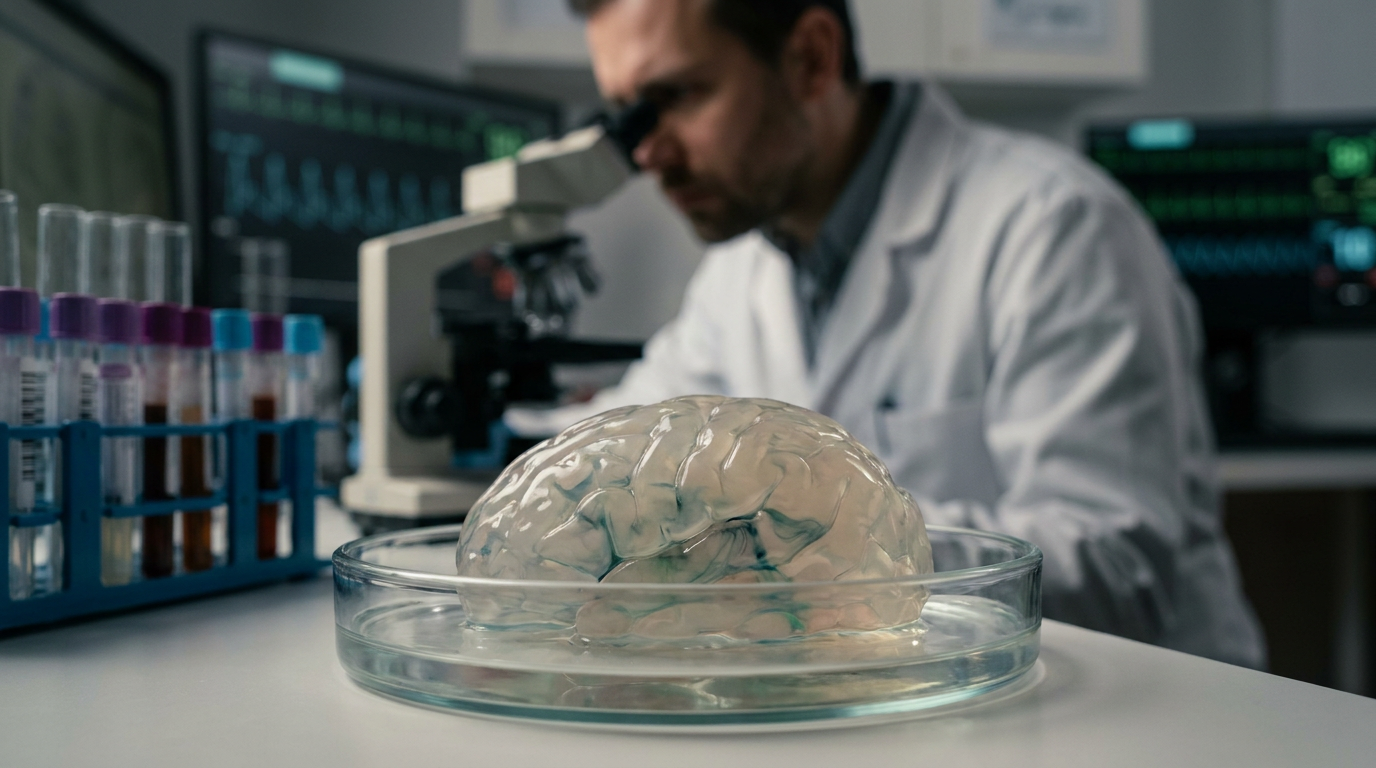
Your Brain Has a Drain, and It Only Opens When You're Asleep
While you're unconscious, a hidden plumbing system floods your brain with fluid and hauls away the toxic waste that builds up while you think — and scientists are only beginning to understand what happens when it can't.

Your Brain at 65 Is Better Than You Think at These Specific Things
Some cognitive abilities don't just survive aging — they actually improve, and knowing which ones changes what brain health should mean after midlife.

Your Ears Are Going Quiet. Your Brain Is Already Paying the Price.
Untreated hearing loss doesn't just leave you straining to hear — it quietly reshapes the brain in ways that look a lot like early dementia.

Chronic Loneliness Rewires the Brain — And the Damage Is Not Metaphorical
Prolonged social isolation doesn't just feel bad; it triggers a cascade of stress signaling and neuroinflammation that measurably reshapes the aging brain.