Astronomy & The Universe
New discoveries, cosmic mysteries, violent physics, and the ever-expanding map of the universe.
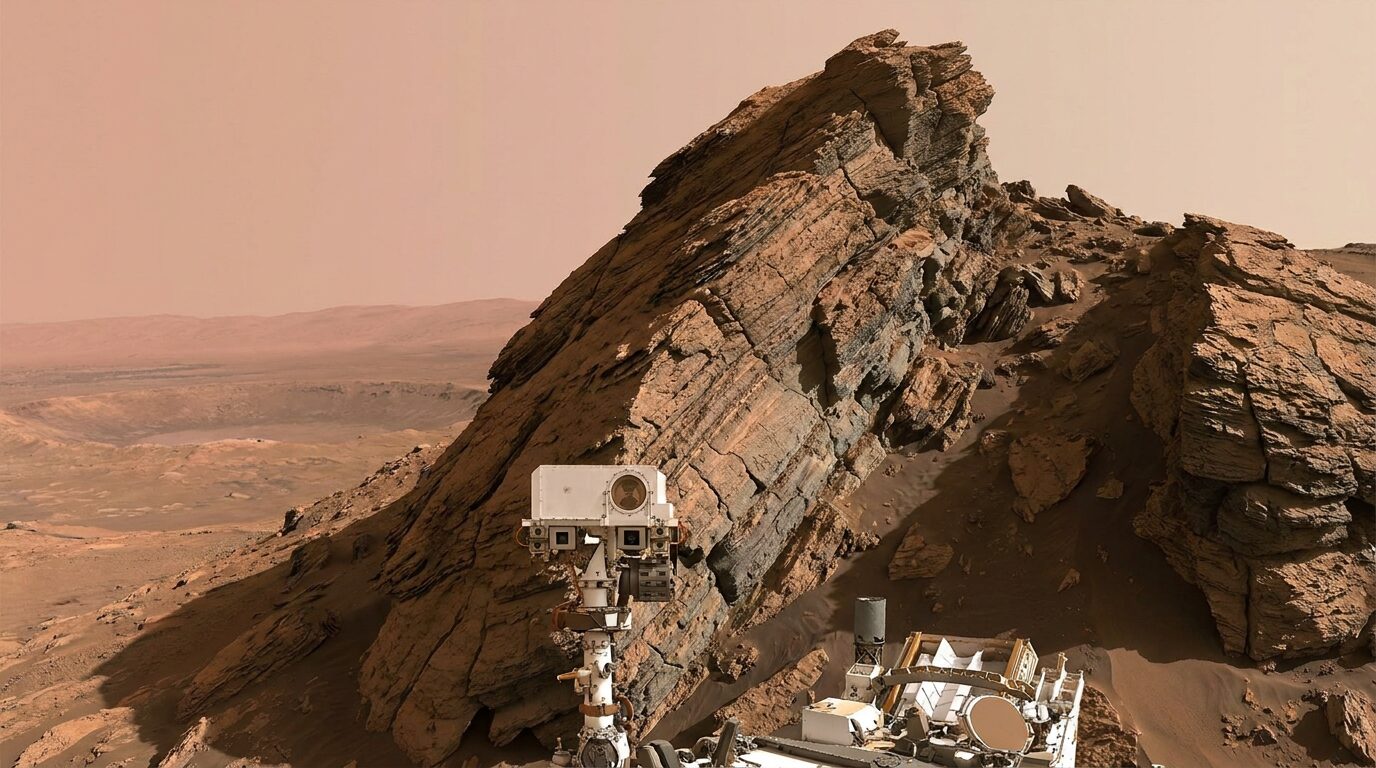
Why Is Jezero Crater's Bedrock Standing Nearly Vertical? NASA's Rover Found Evidence of Two Planet-altering Asteroid Strikes.
Perseverance found bedrock tilted at nearly 90 degrees on the rim of Jezero Crater — and the only explanation requires two planet-reshaping asteroid strikes, billions of years apart.
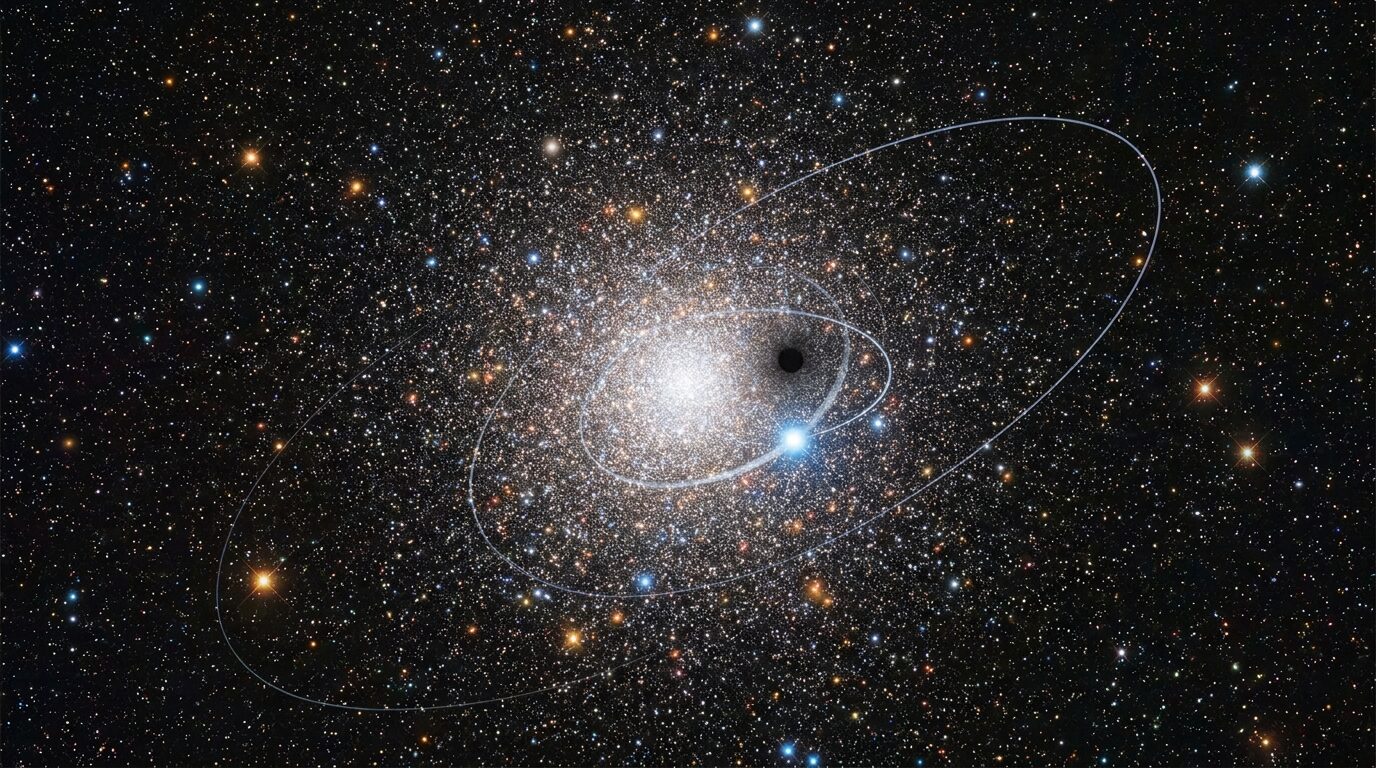
Where Are Omega Centauri's Missing Black Holes? Hubble Found One by Watching a Star Dance.
Astronomers didn't look for light or heat to find it — they watched how a single star moved, and the invisible thing pulling on it had no other explanation.
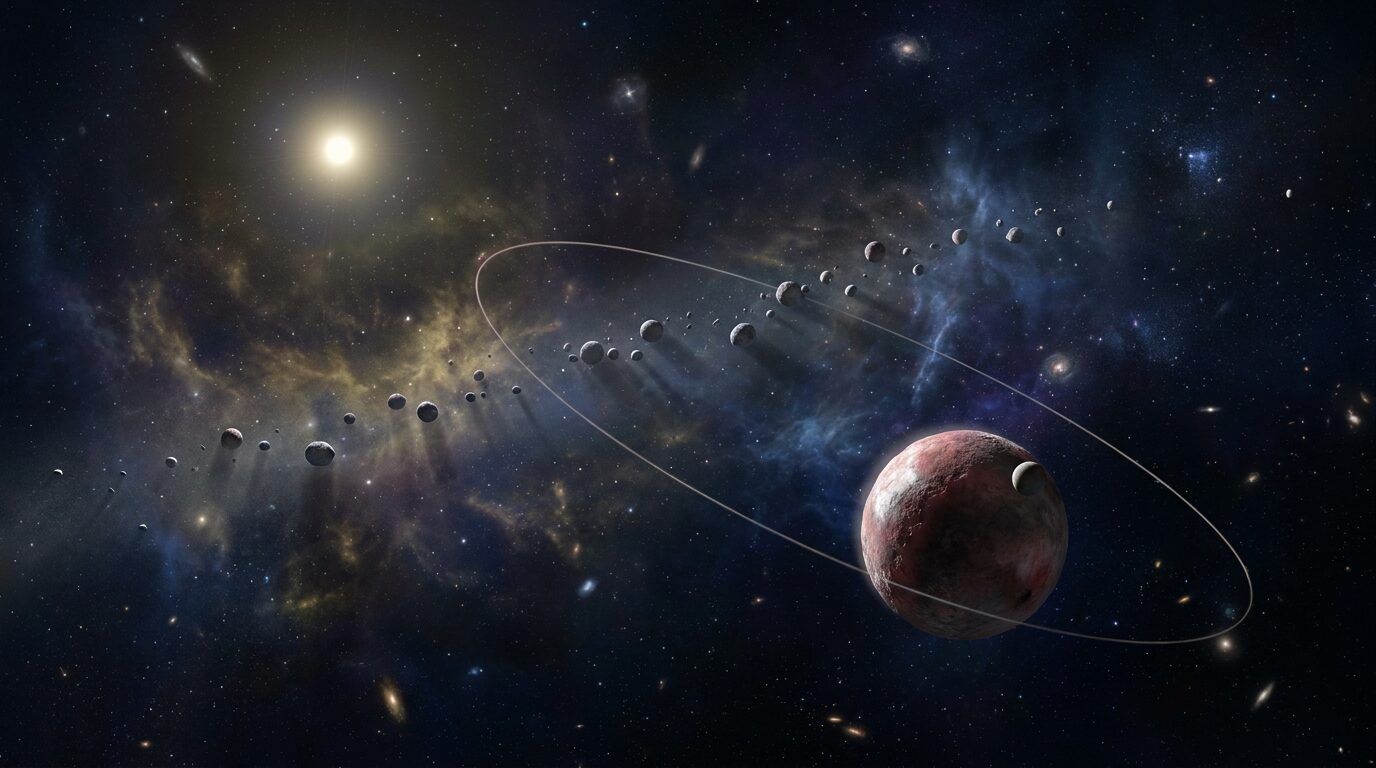
The Discovery That's Quietly Unraveling Planet Nine's Best Defense
The whole case for a hidden ninth planet rests on a handful of orbits that shouldn't line up — but they're lining up less and less with every new discovery.
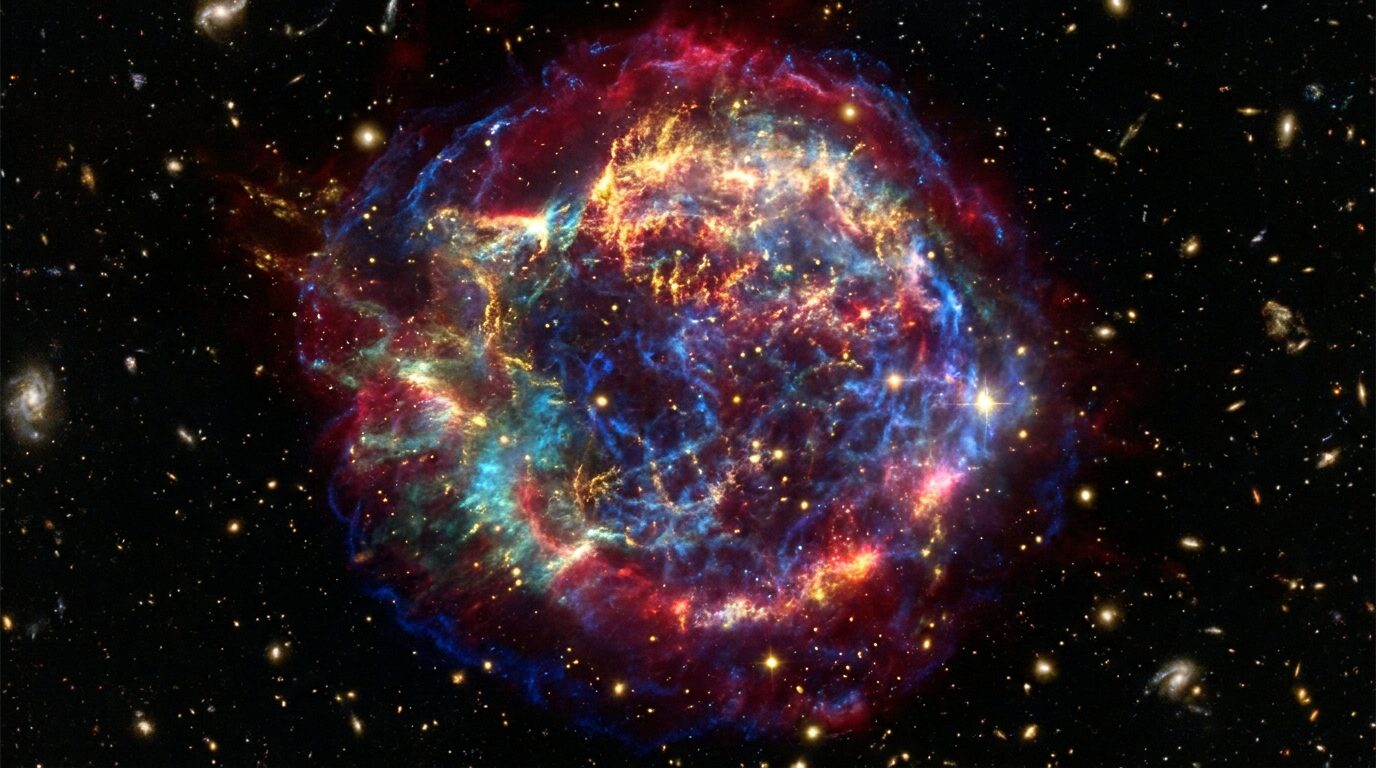
The Universe's First Stars Were 10,000 Times the Size of the Sun. We Just Found the Ash.
A nitrogen fingerprint in an ancient galaxy suggests the universe's first stars were so massive that no modern physics textbook accounted for them — and their collapse seeded everything that came after.
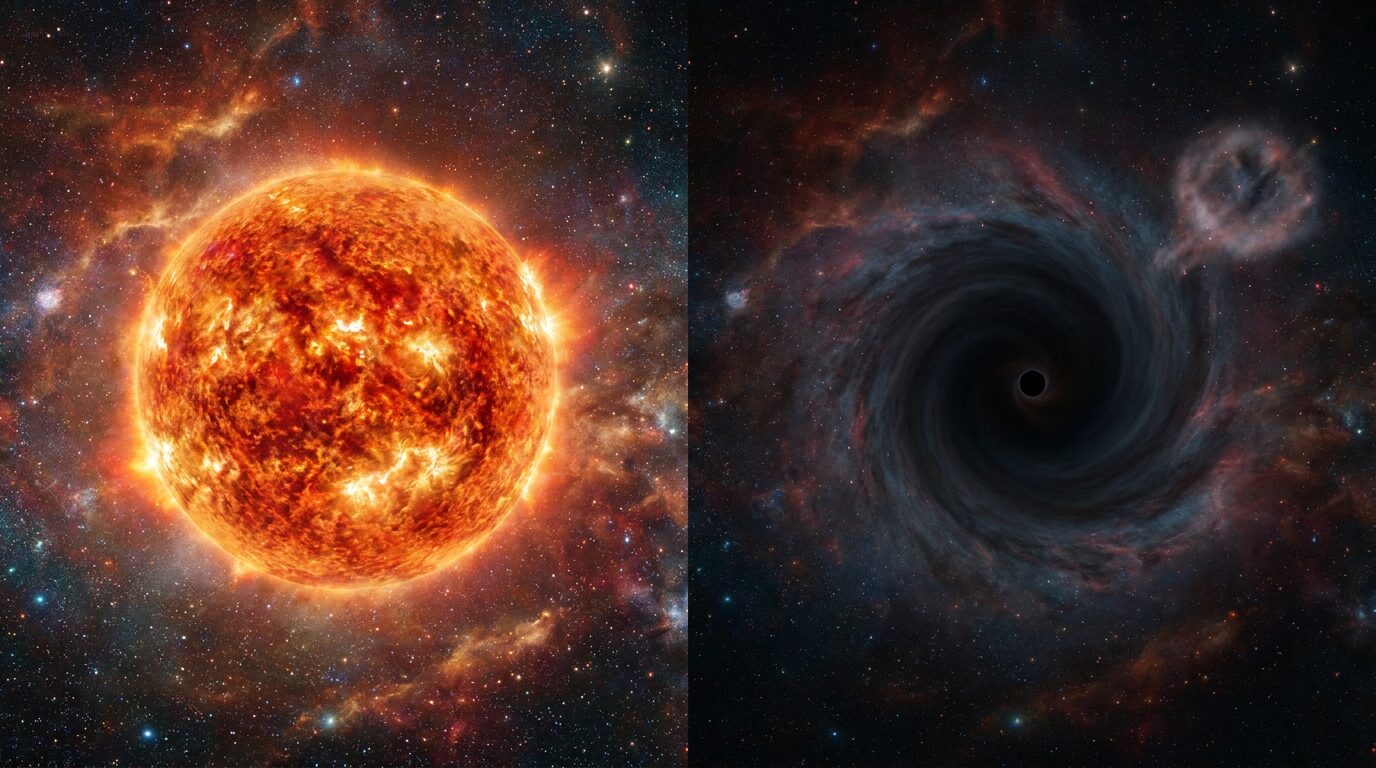
A Star in Andromeda Just Vanished Without Exploding. Scientists Caught It Happening.
For the first time, astronomers assembled a complete before-and-after record of a star collapsing directly into a black hole — and the mechanism behind the silence turns out to be stranger than a supernova.
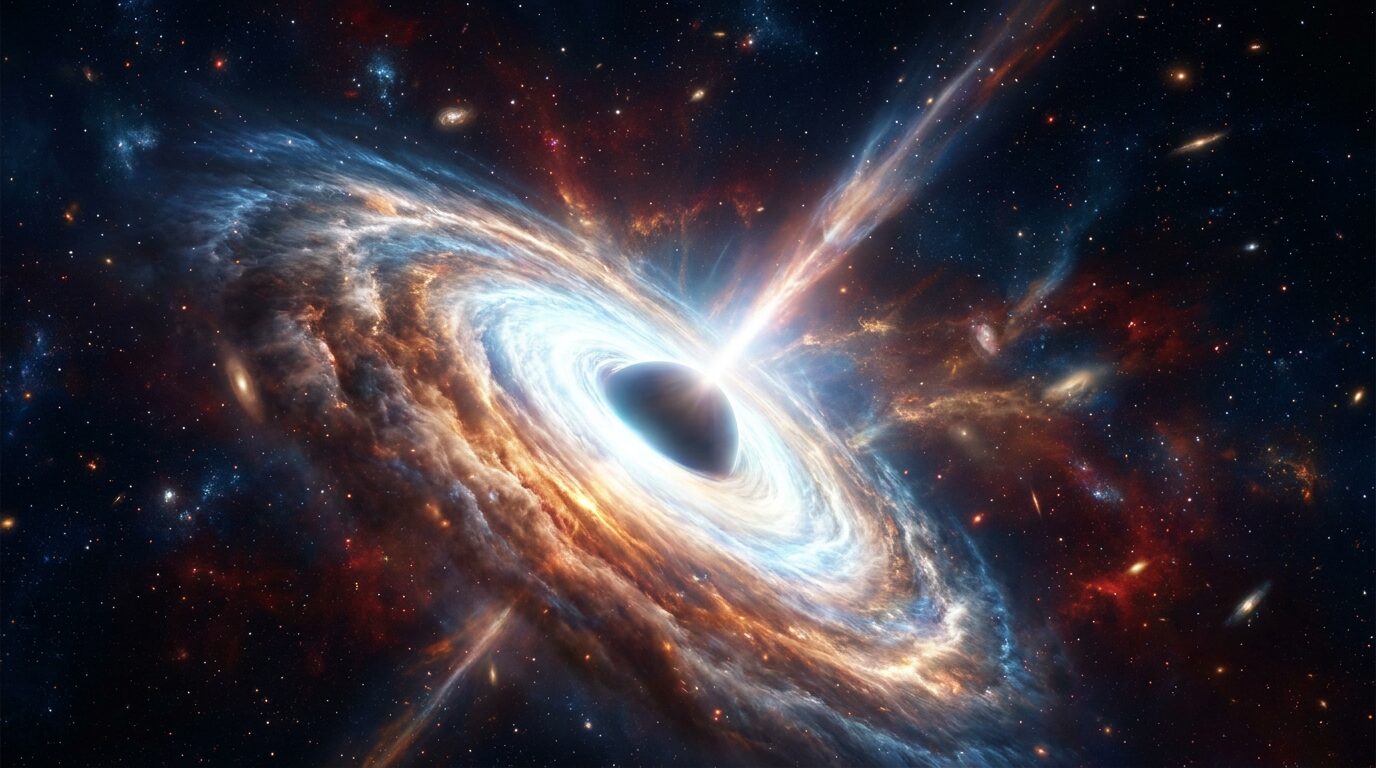
The Eddington Limit: What It Is, and How It Just Failed
The Eddington limit is supposed to cap how fast a black hole can grow — but a quasar from the early universe is eating at 13 times that rate, while simultaneously doing something the models say shouldn't be possible.
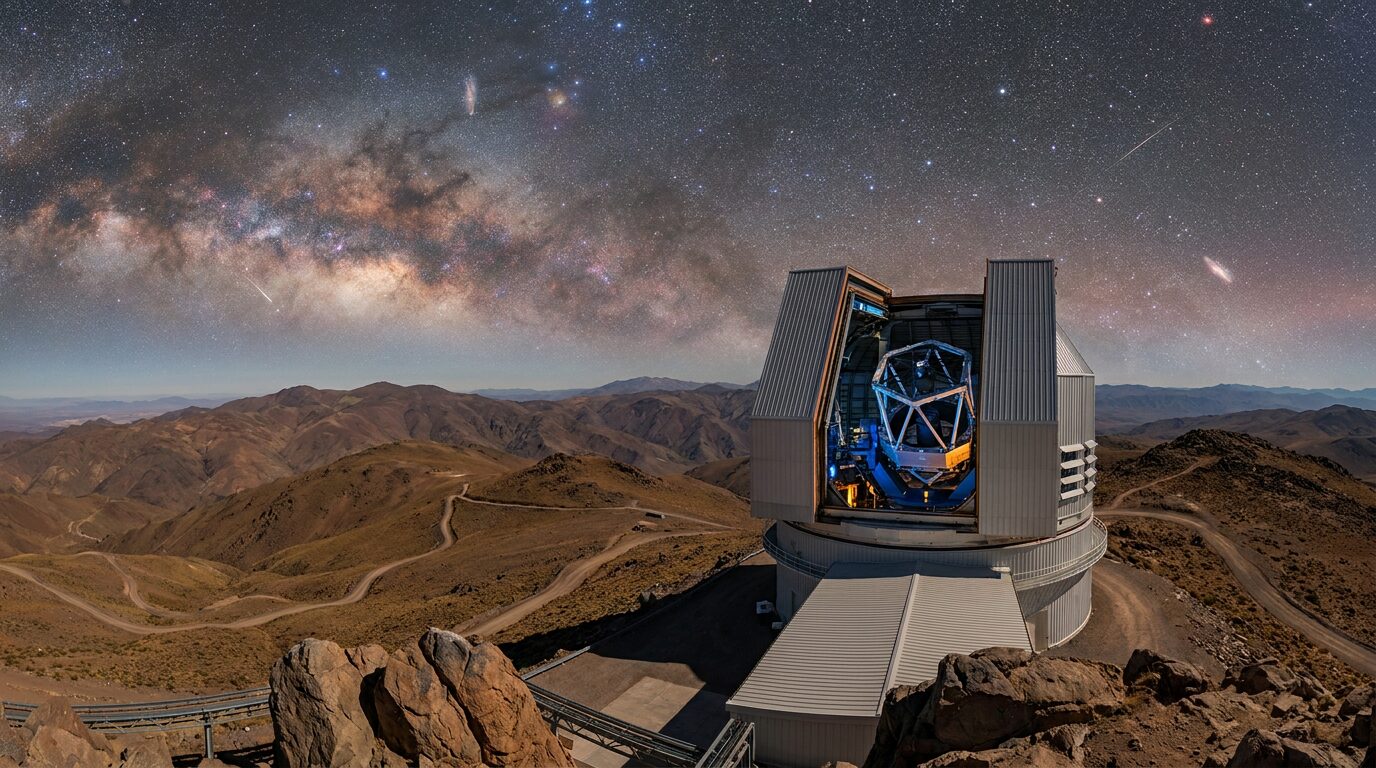
What 15 Terabytes Per Night Can Reveal About the Universe's Deepest Secrets
The Legacy Survey of Space and Time officially began in June 2026 — and the sheer scale of what it's designed to catch raises questions that go well beyond counting stars.
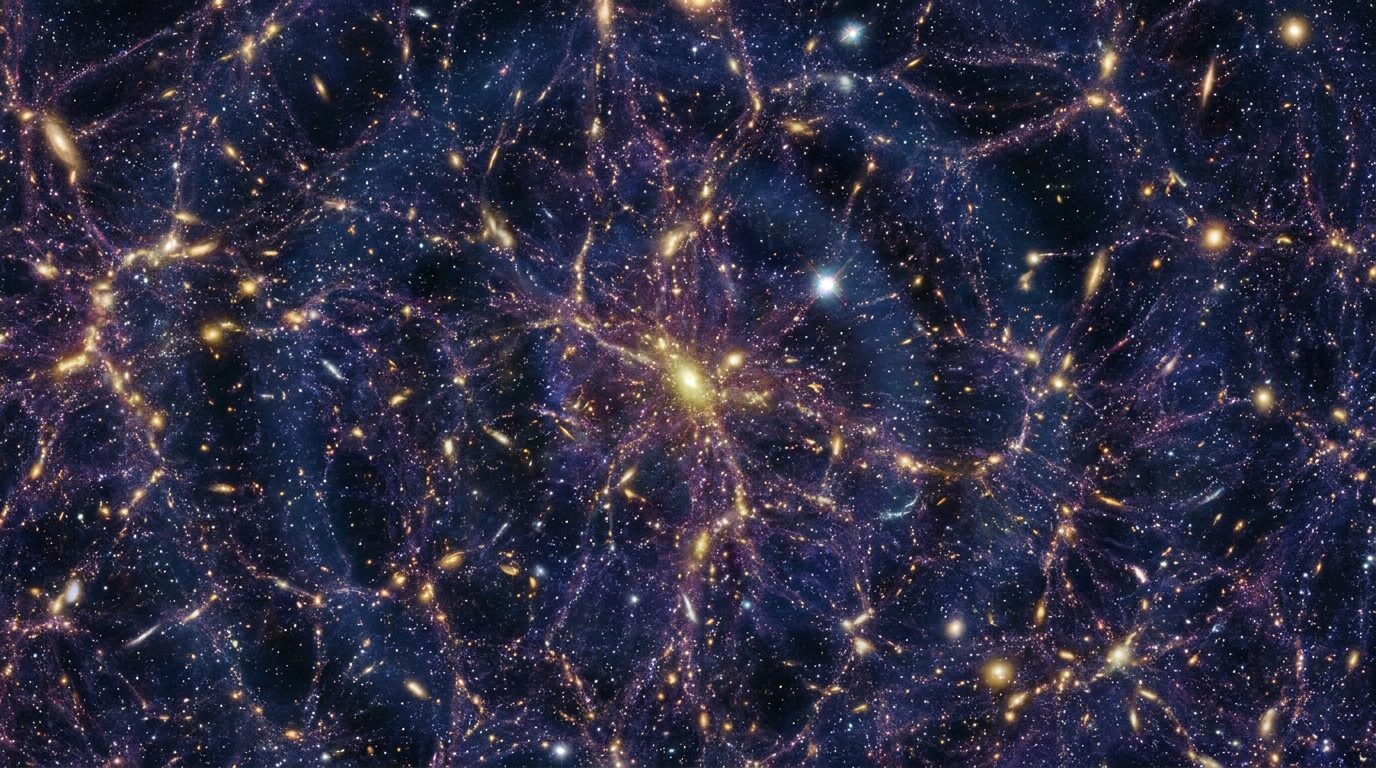
Why the Universe's Expansion Rate Refuses to Match Its Oldest Light
DESI's second data release measured the universe's expansion with unprecedented precision — and the answer doesn't quite match what the oldest light in existence tells us.
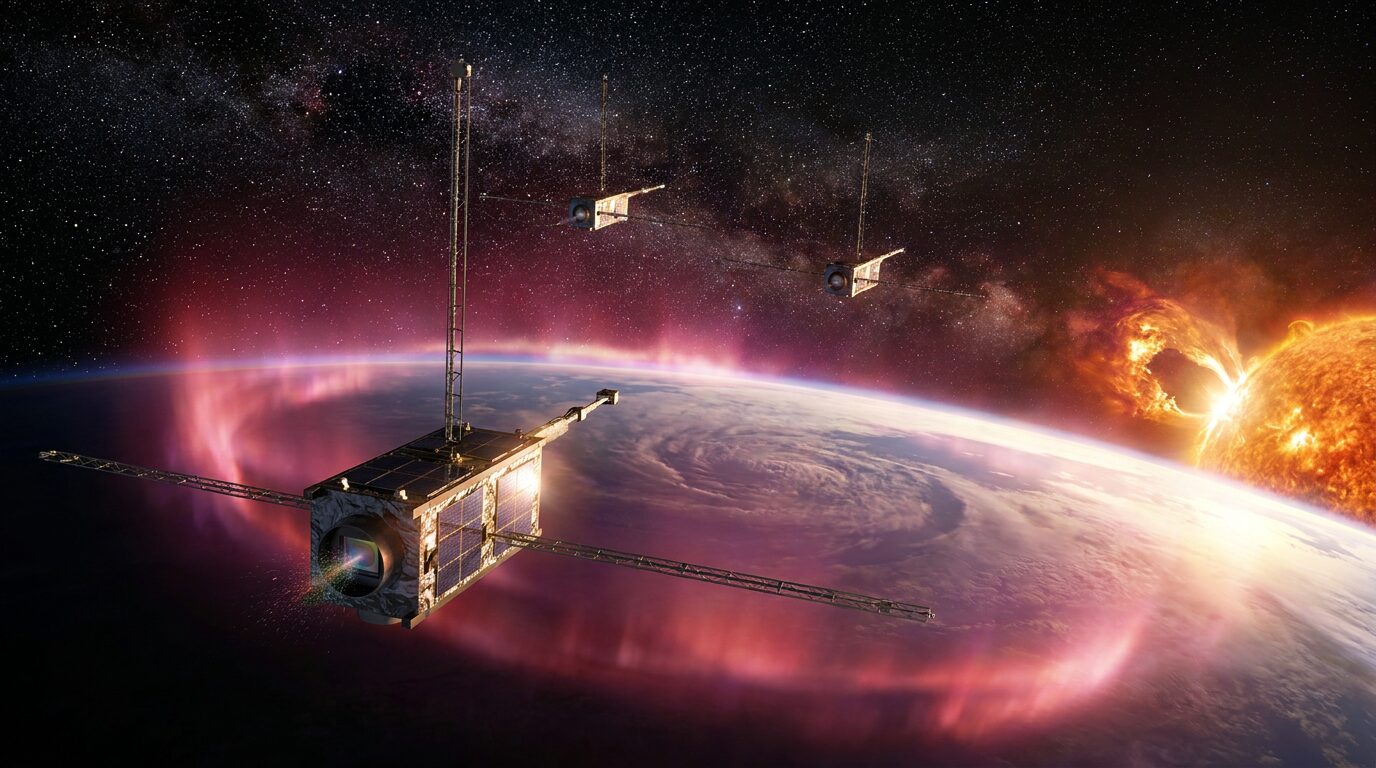
A Satellite's Camera Caught What Its Sensors Missed During the Solar Storm
During a triple-CME solar storm in November, ESA's Swarm satellite detected a high-energy proton surge not with its magnetic sensors — but with the cameras it uses to find its own location in space.
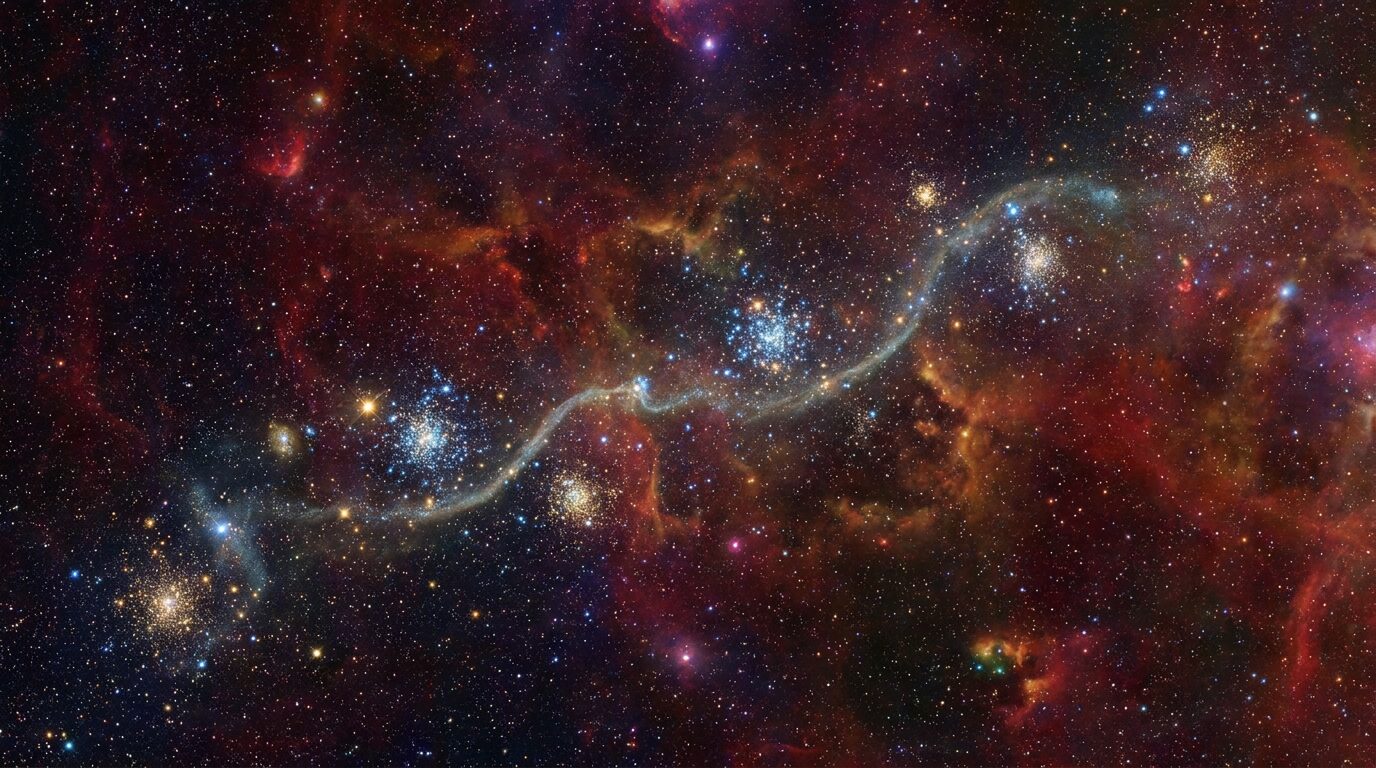
Why Star Clusters Near the Sun Are Dissolving Much Slower Than Physics Allows
A new Gaia-powered census reveals that many star clusters near the Sun aren't isolated islands — they're nodes in vast, coherent stellar chains that shouldn't exist as long as they do.
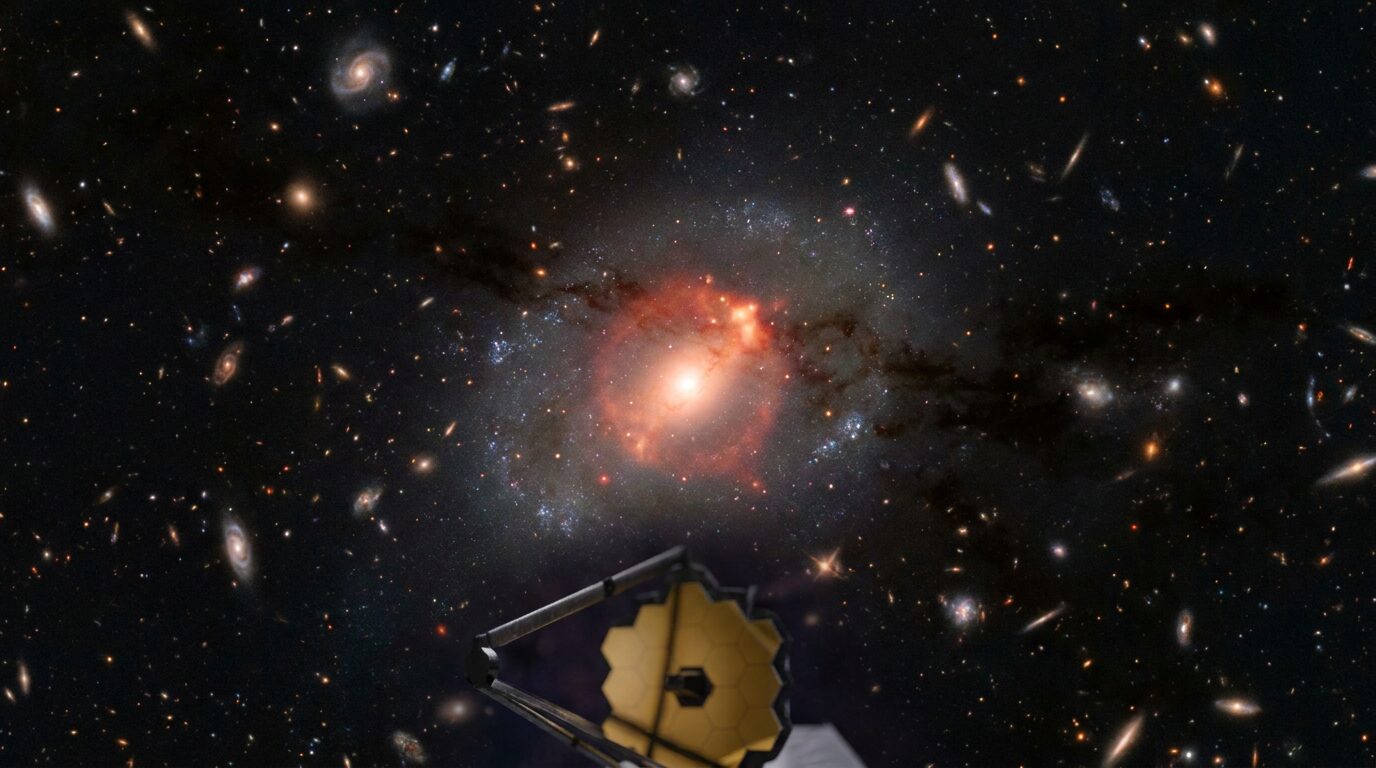
Webb Traced a Gamma-Ray Burst Back 13.2 Billion Years—And Found Something Unexpected
A gamma-ray burst detected in March led Webb back to a dying star from the universe's infancy — and to the faint smudge of a galaxy that almost wasn't there.
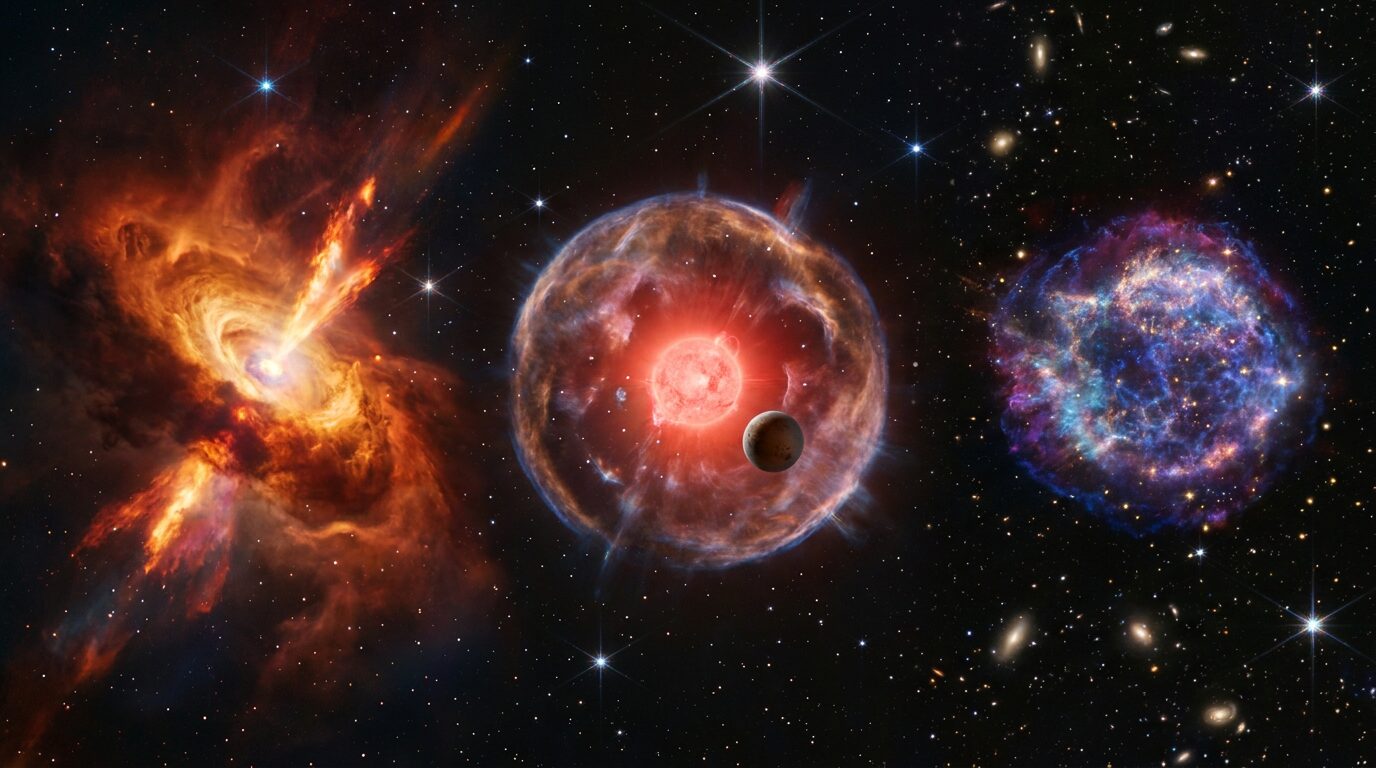
How Webb Captured Stars at Every Age in a Single Season
From a protostar's first outflows to a planet that outlived its dying sun, Webb's recent observations span nearly the entire life cycle of stars — and the earliest supernova ever detected.
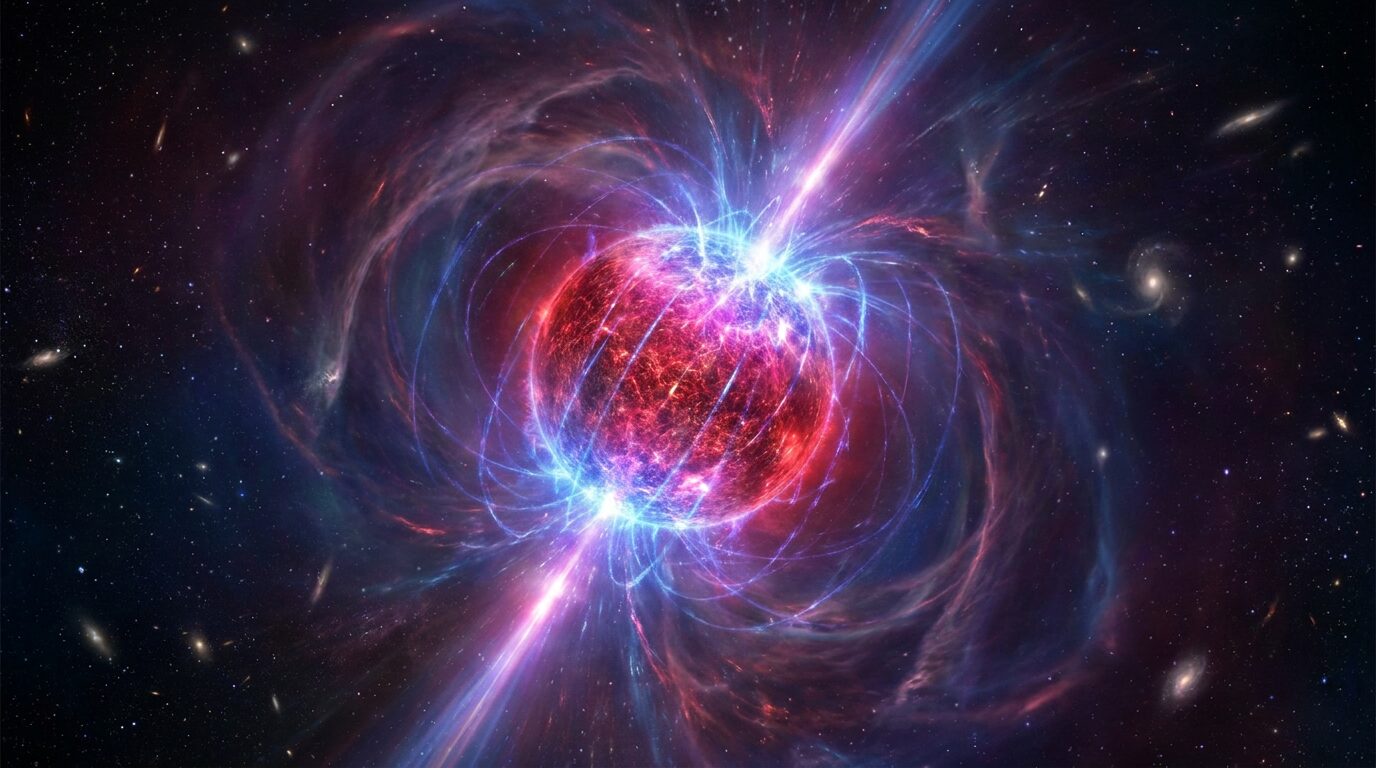
A Cosmic Radio Gun Fires 11,000 Times—And It Shouldn't Exist
A prolific fast radio burst source has released so much energy that it's straining the physics of the object thought to power it.
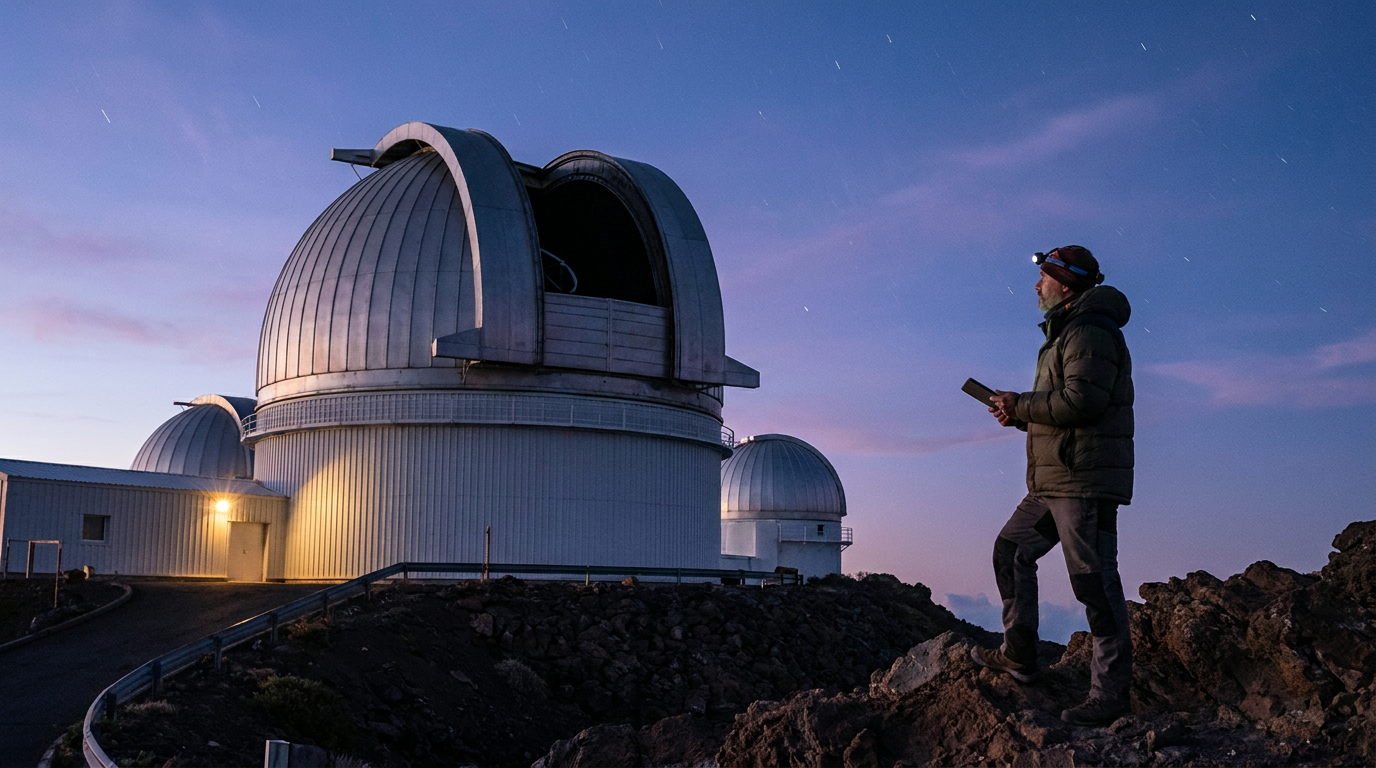
The Gamma-Ray Burst That Fired for 7 Hours Doesn't Fit Any Known Physics
GRB 250702B lasted nearly twice as long as any gamma-ray burst ever recorded, and the two leading explanations for it are mutually incompatible — which means at least one of them has to be wrong.
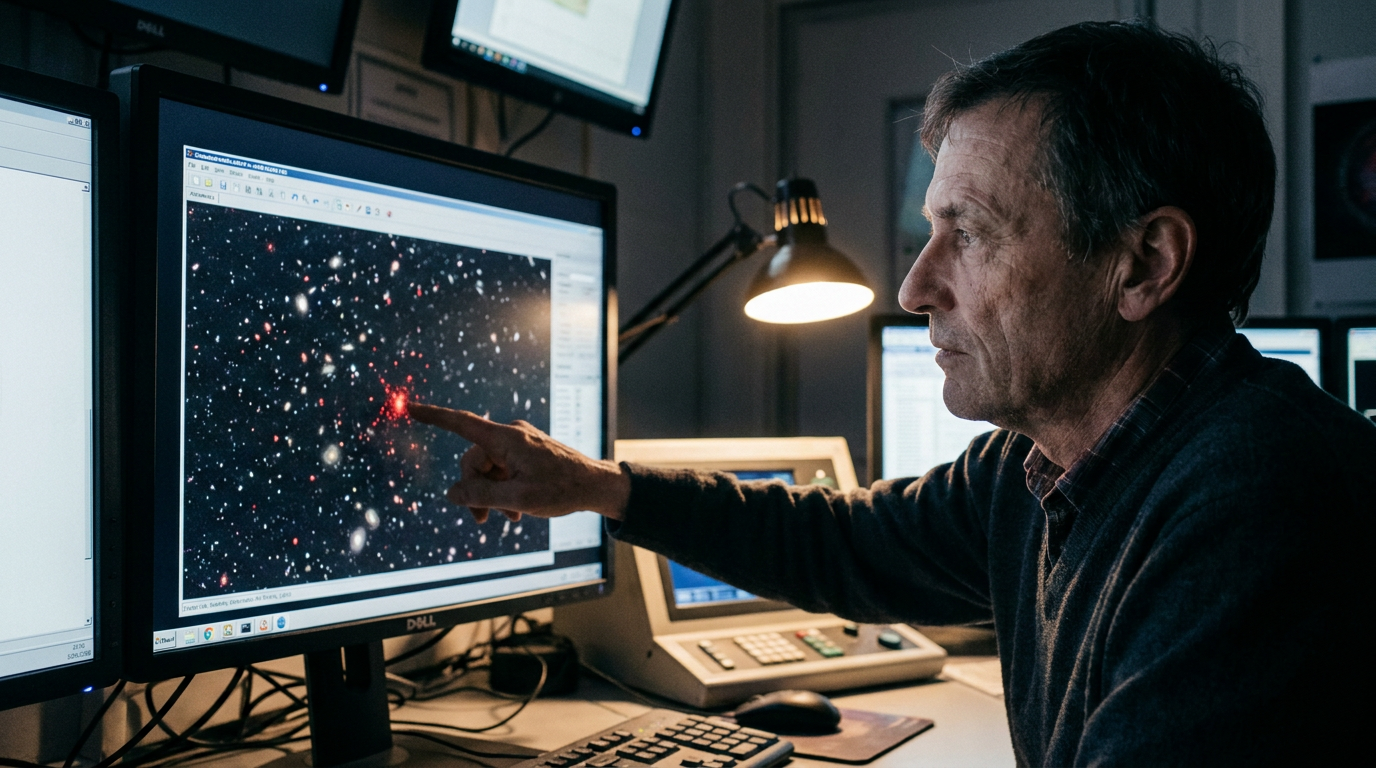
JWST Found Objects so Red and so Strange That Astronomers Invented a New Category for Them
JWST's deep-field images are filling up with tiny, furiously red objects that fit no existing category — and the strangest one may be something the universe was never supposed to make.
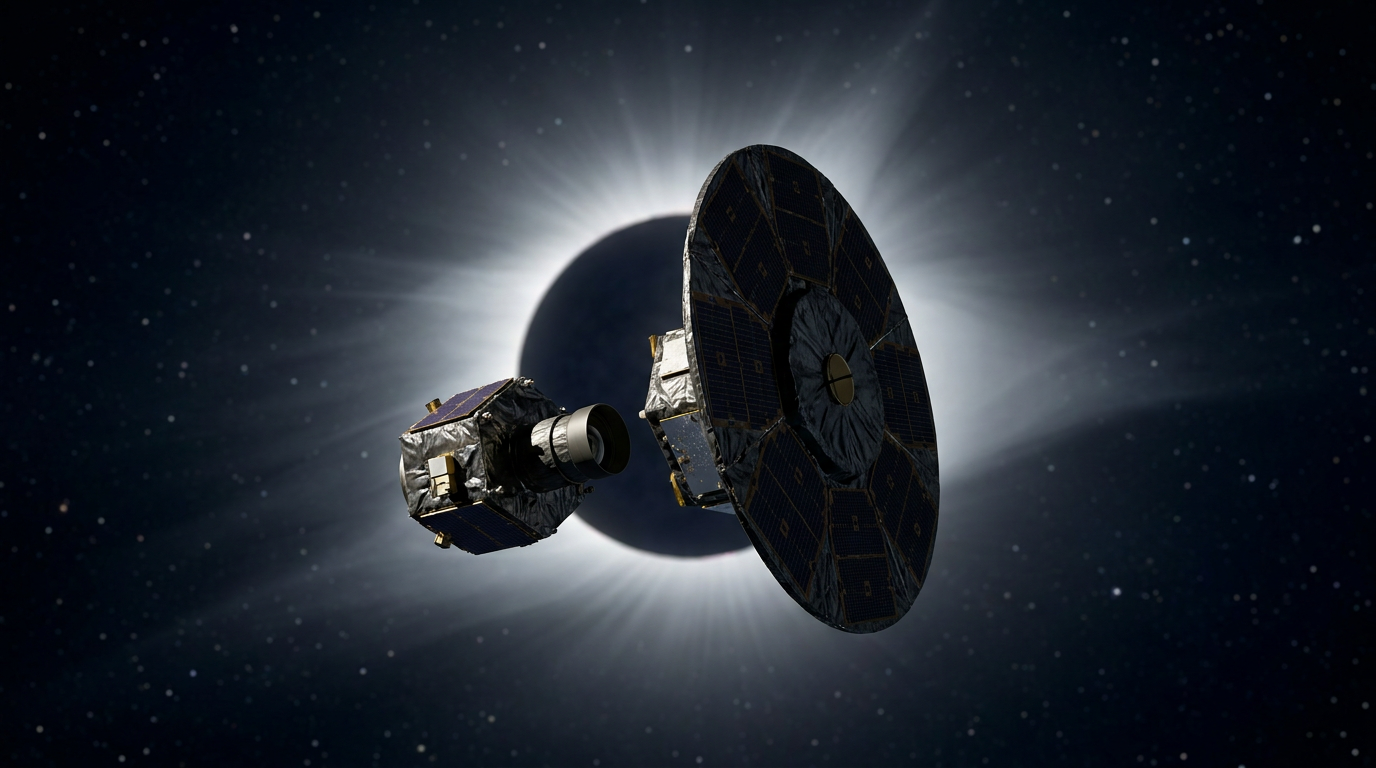
ESA Built a Machine That Creates Solar Eclipses on Demand
ESA's Proba-3 mission flies two spacecraft in lockstep formation to block the sun on demand — unlocking a continuous view of the solar corona that has defeated astronomers for a century.
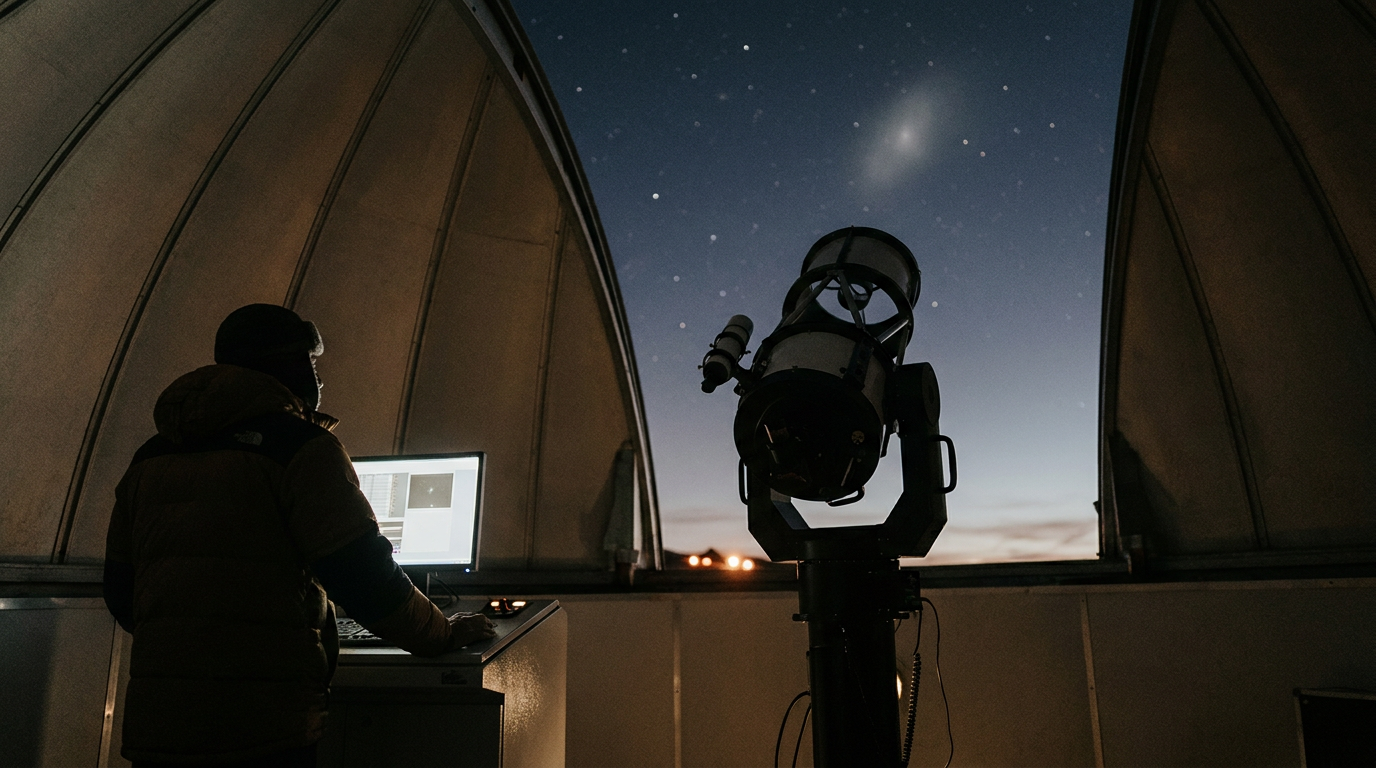
An Interstellar Comet Crossed Our Solar System. We Had 12 Spacecraft Ready.
Comet 3I/ATLAS is only the third object ever confirmed to have crossed into our solar system from another star — and unlike the first two, we had an entire fleet waiting for it.
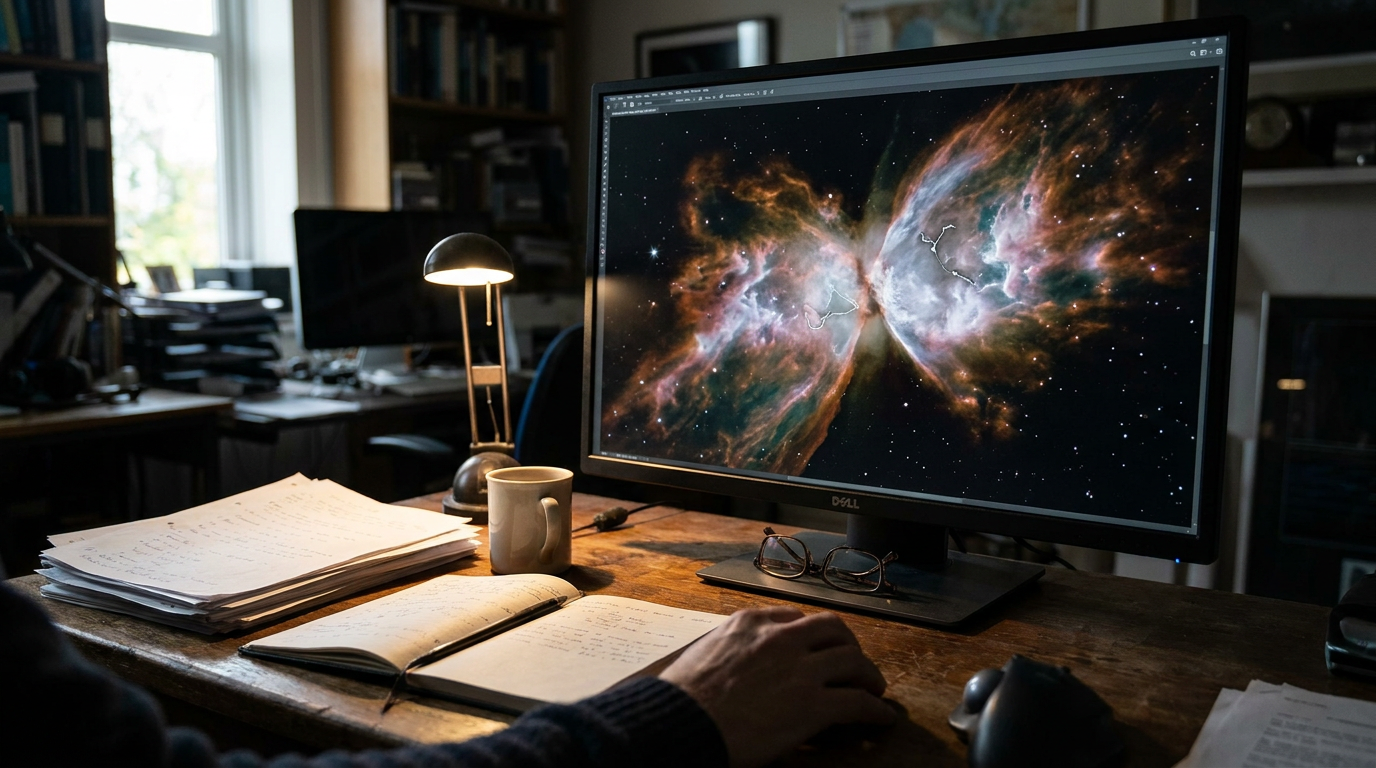
The Butterfly Nebula Is Not a Death. It's a Crime Scene.
JWST peered inside the Butterfly Nebula and found not chaos, but a structured record — jets, rings, and buried dust encoding five billion years of stellar biography.
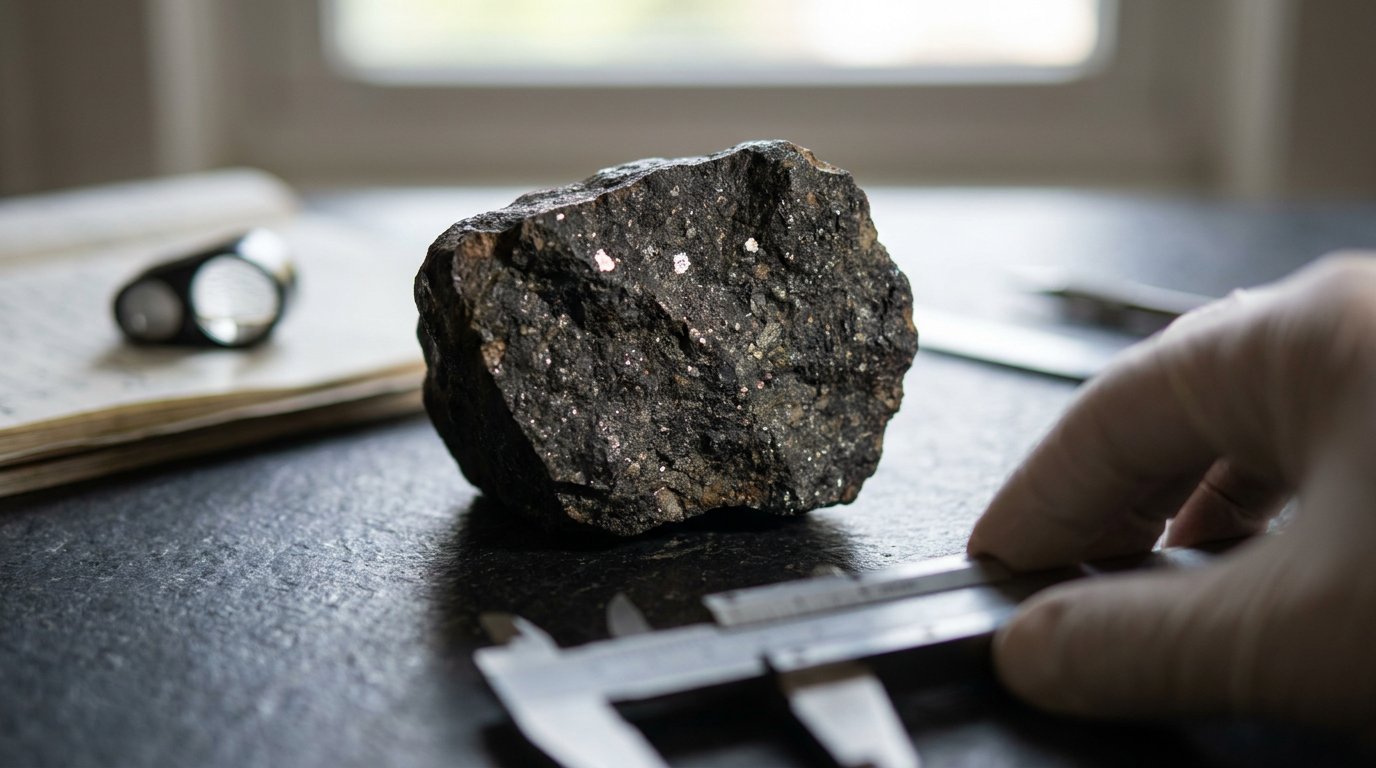
Dead Stars Seeded Your Bones — Here's the Exact Chain of Events
Isotope ratios locked inside ancient meteorites let scientists trace the calcium in your skeleton back through a chain of stellar collapse, shockwave dispersal, and slow planetary assembly — link by precise link.
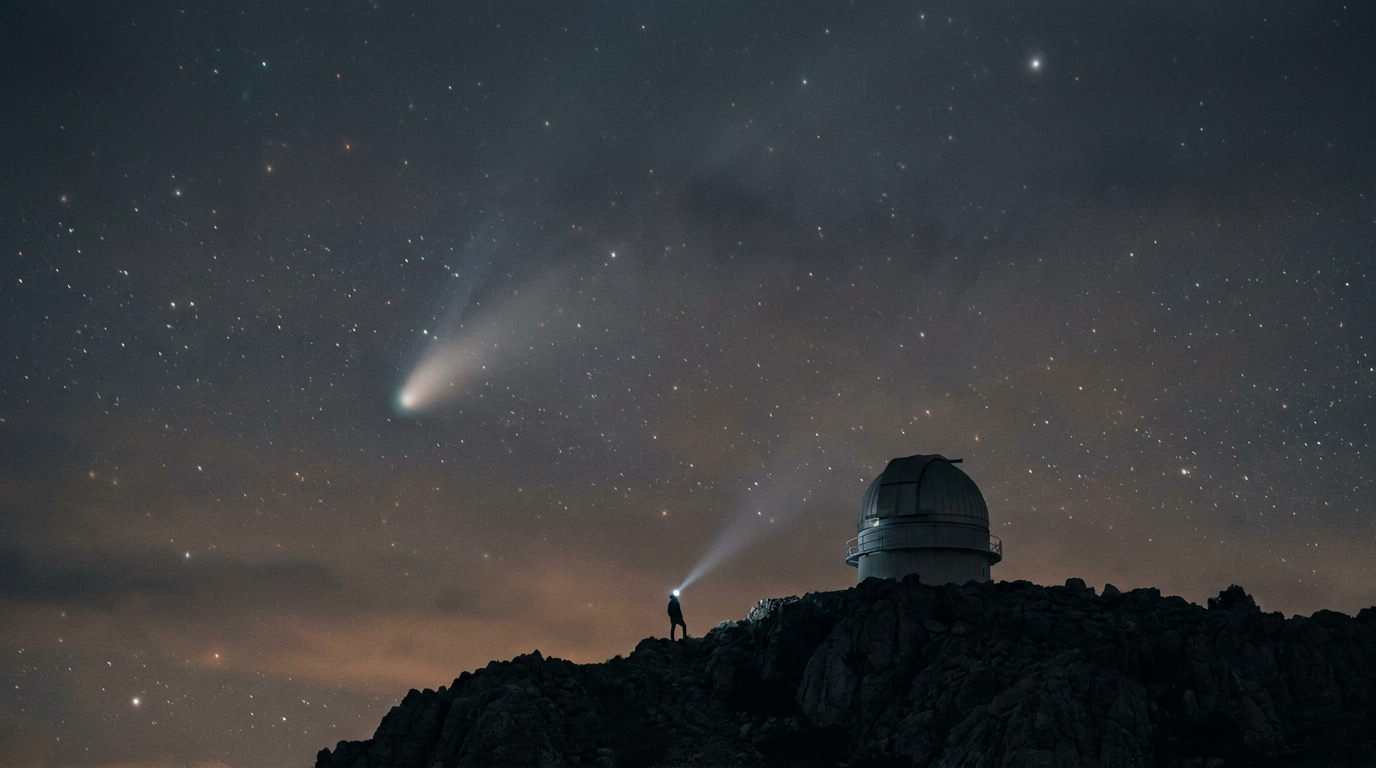
3I/ATLAS Came From Another Star. Its Chemistry Doesn't Match Anything We Know.
The third confirmed interstellar object has a carbon-dioxide-to-water ratio unlike any comet in our solar system — and the leading explanation is that it's been drifting alone for longer than Earth has existed.
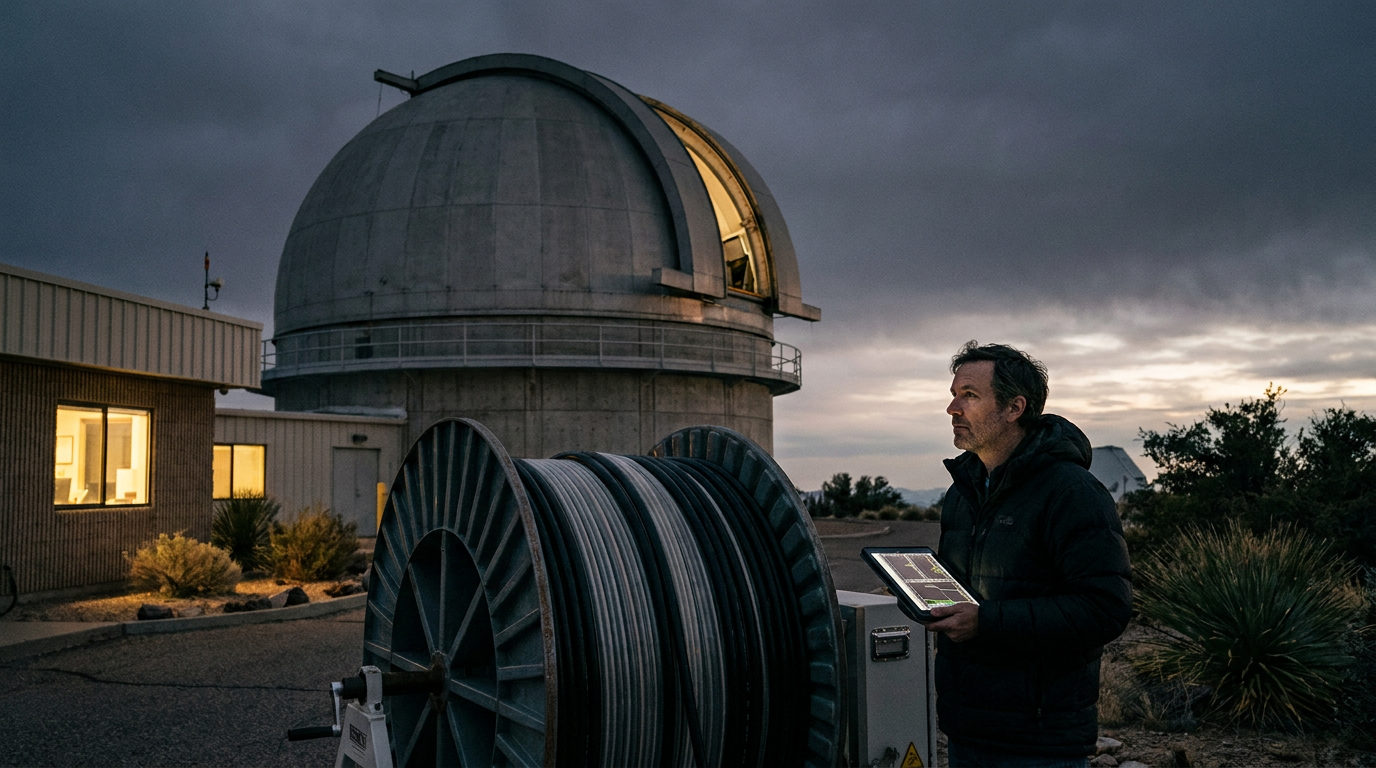
Dark Energy Is Not a Constant. Three Years of Data Say So.
The DESI survey's third year of data has made the case for a changing dark energy disturbingly strong — which means the force expanding the universe may not be what physicists have spent thirty years assuming.
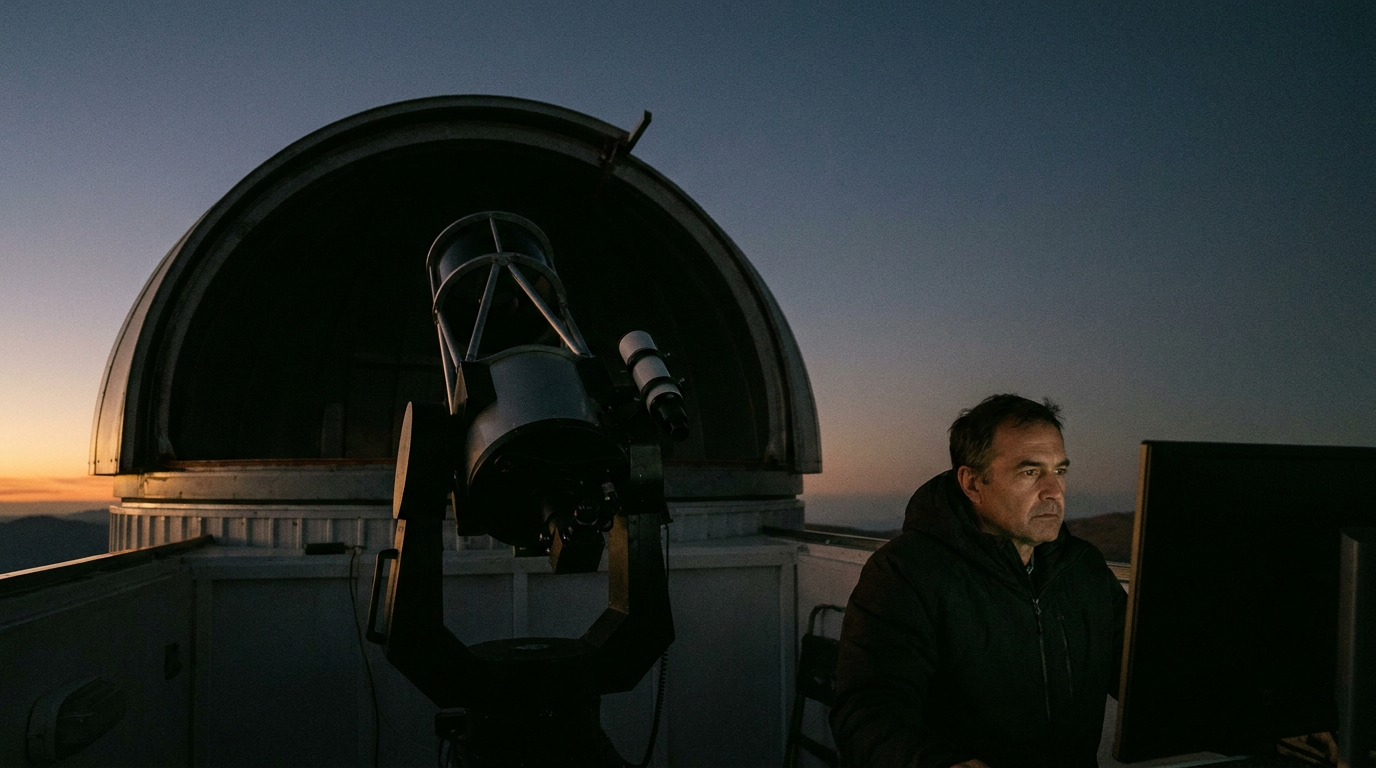
The 700-Meter Asteroid That Hid Inside Venus's Orbit for Who Knows How Long
Asteroid 2025 SC79 wasn't hiding cleverly — it was hiding in the one patch of sky we structurally cannot watch, and it took a two-image twilight window to prove it was there at all.
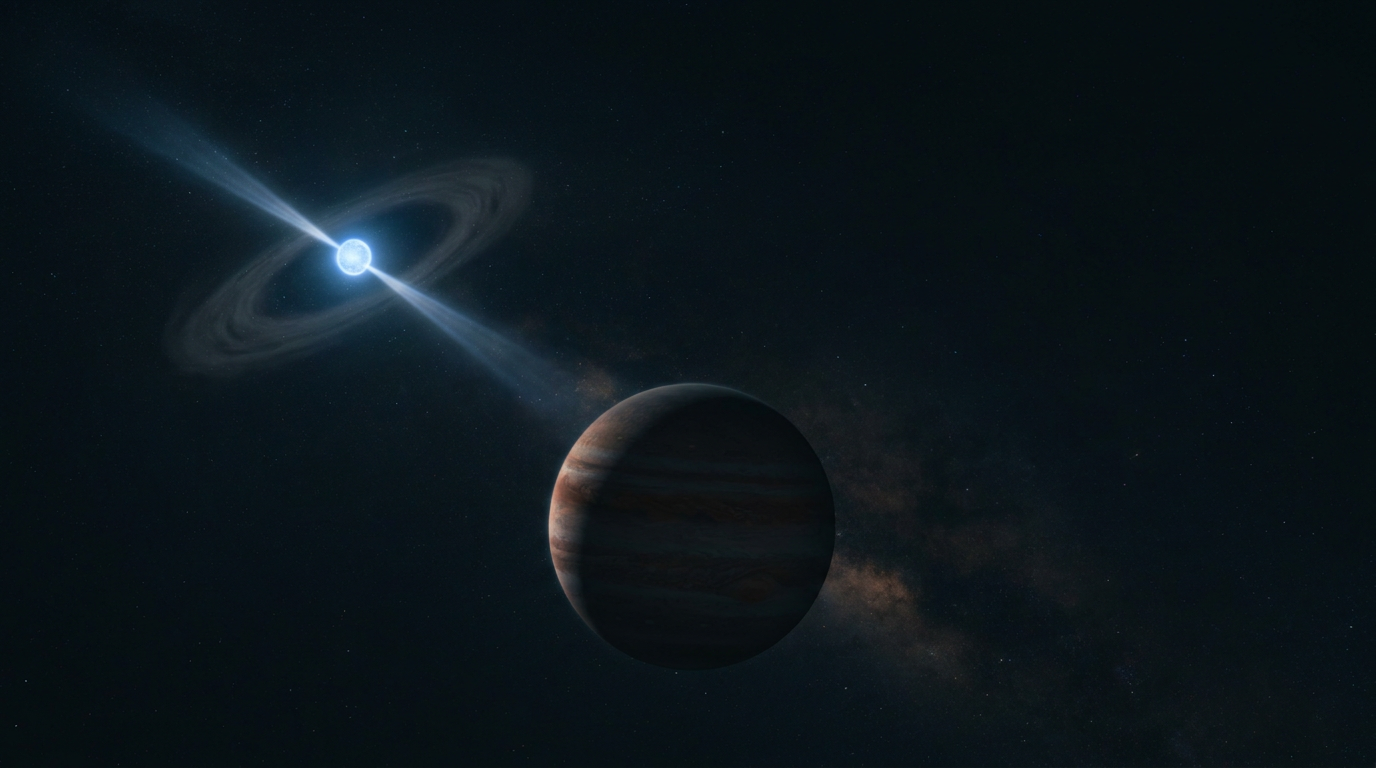
JWST Found a Planet That Shouldn't Exist — Orbiting a Dead Star, Raining Diamonds
A Jupiter-mass planet orbiting a millisecond pulsar carries a helium-and-carbon atmosphere that no known formation pathway can produce — and the physics of what falls from its sky is stranger still.
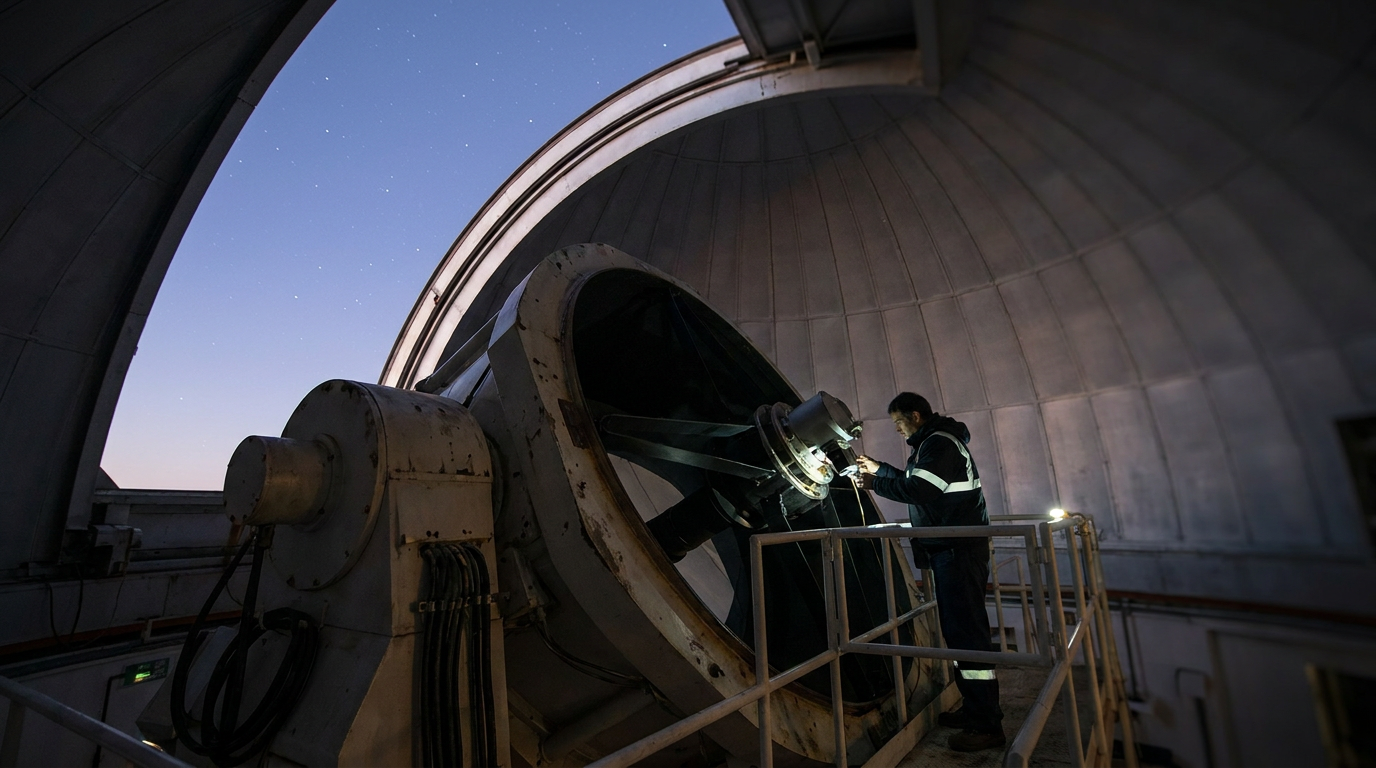
Dark Energy Just Survived Its Biggest Challenge yet. That Should Worry Us More.
A landmark rebuttal restored the standard model of cosmic acceleration — but the galaxy survey quietly doing more damage than the debunked study ever could is still running.