All stories by
Sable Pike
Sable Pike writes about habitat loss, ecosystem strain, species decline, climate disruption, and the quiet unraveling of natural systems people once assumed were permanent — and the way that unraveling reaches into economies, politics, and daily life. Her work brings emotional weight to ecological change without sacrificing scientific rigor.

How Climate Change Turned India's Worst Heatwaves into Annual Events
A new attribution study pinpoints exactly how much climate change shifted the odds — and the answer makes this April's heat feel less like an emergency and more like a schedule.
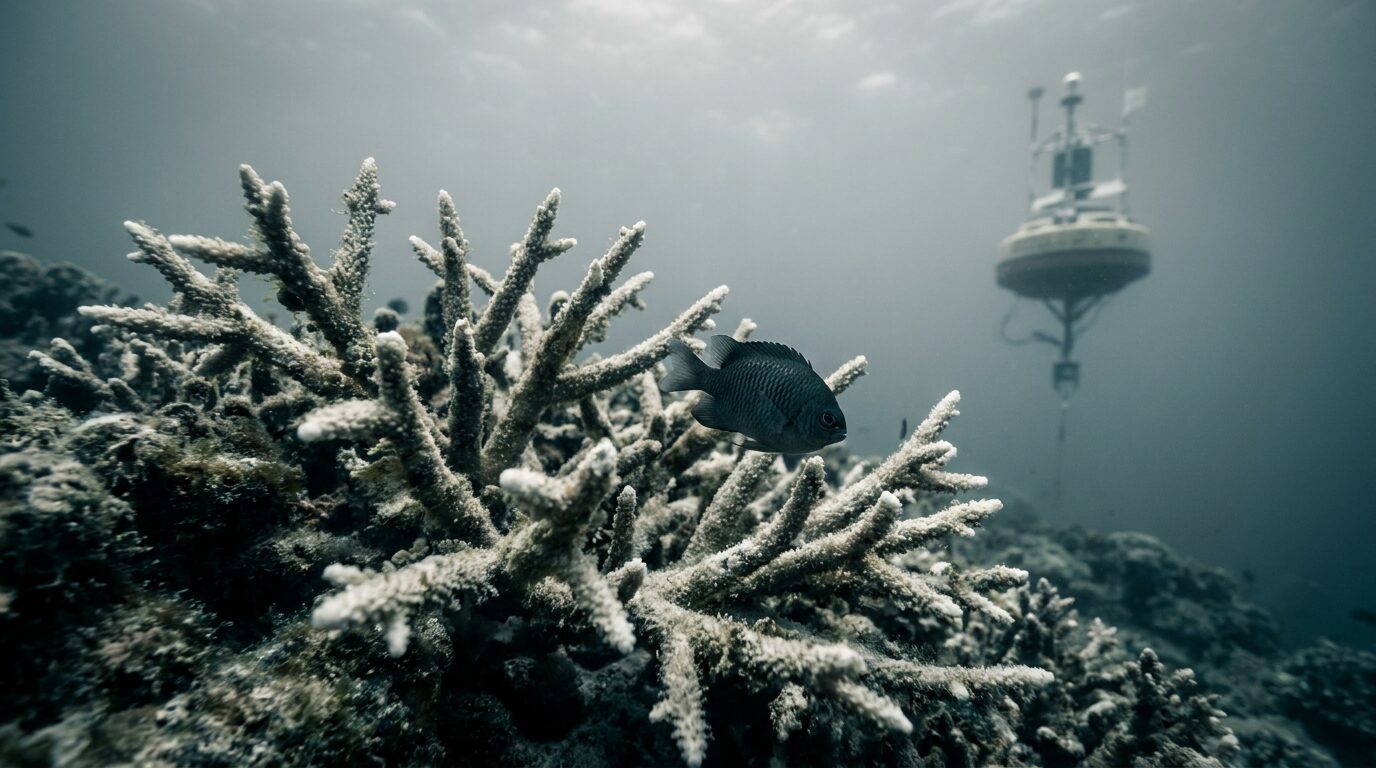
The First Climate Tipping Point Has Already Fallen. Here's What Comes Next.
The 2025 Global Tipping Points Report didn't warn that coral reefs might cross a threshold — it confirmed they already have, and the cascade of consequences that unlocks is not a future problem.
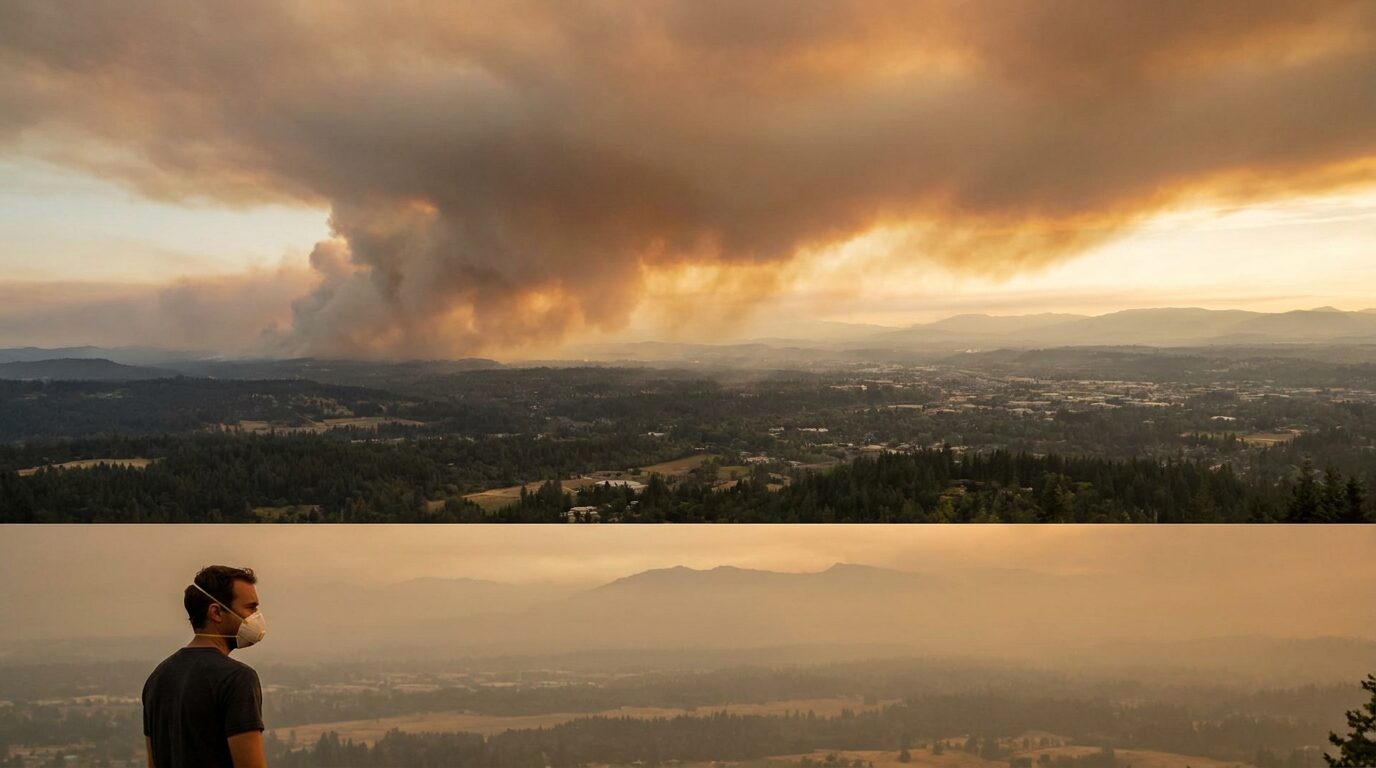
Why Wildfire Smoke Gets Worse Days After the Fire Dies
The gases released by wildfires keep chemically transforming into fine particles for days after a fire ends — which is why smoke crosses continents and poisons air far from any flame.
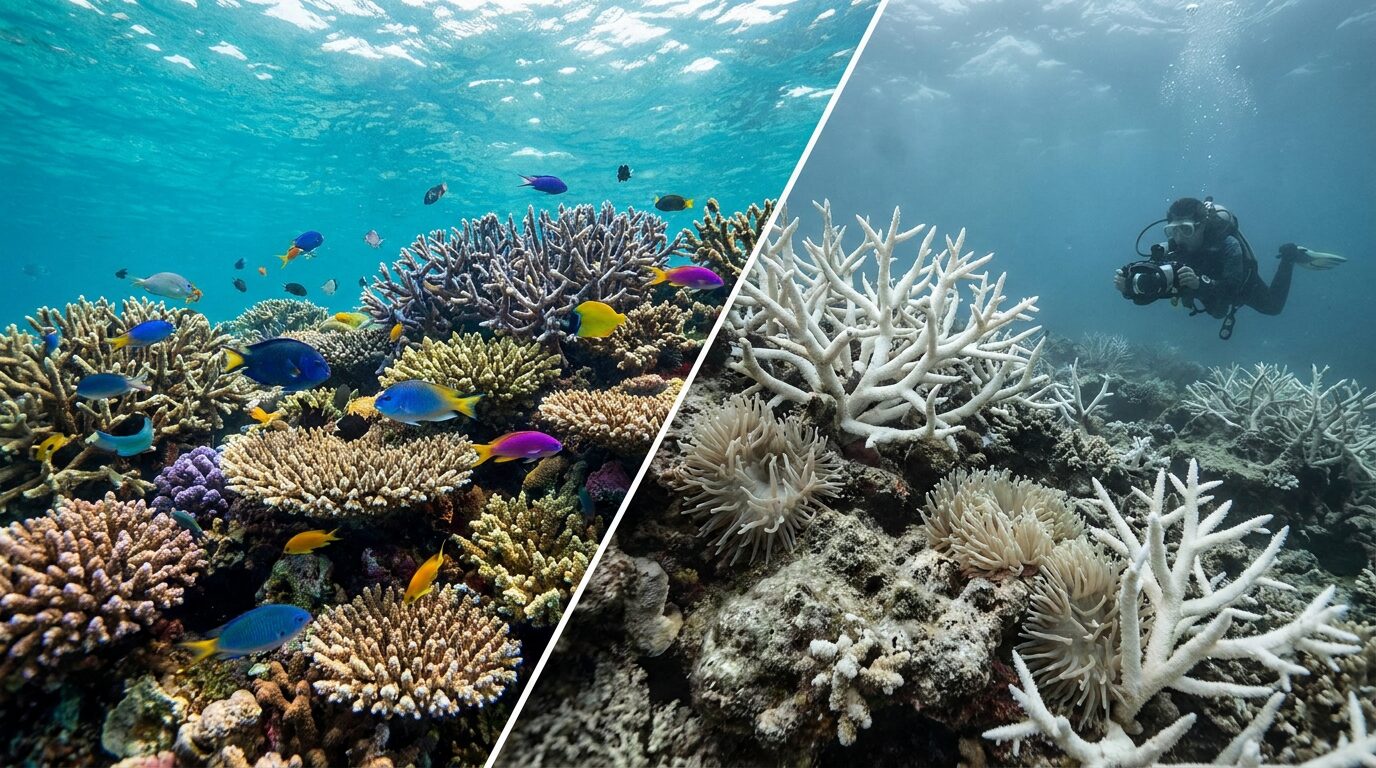
84% of the World's Coral Reefs Burned. Now We're Calling It Over.
The fourth global bleaching event is officially over — but the pause before the next one may already be too short for survival to matter.
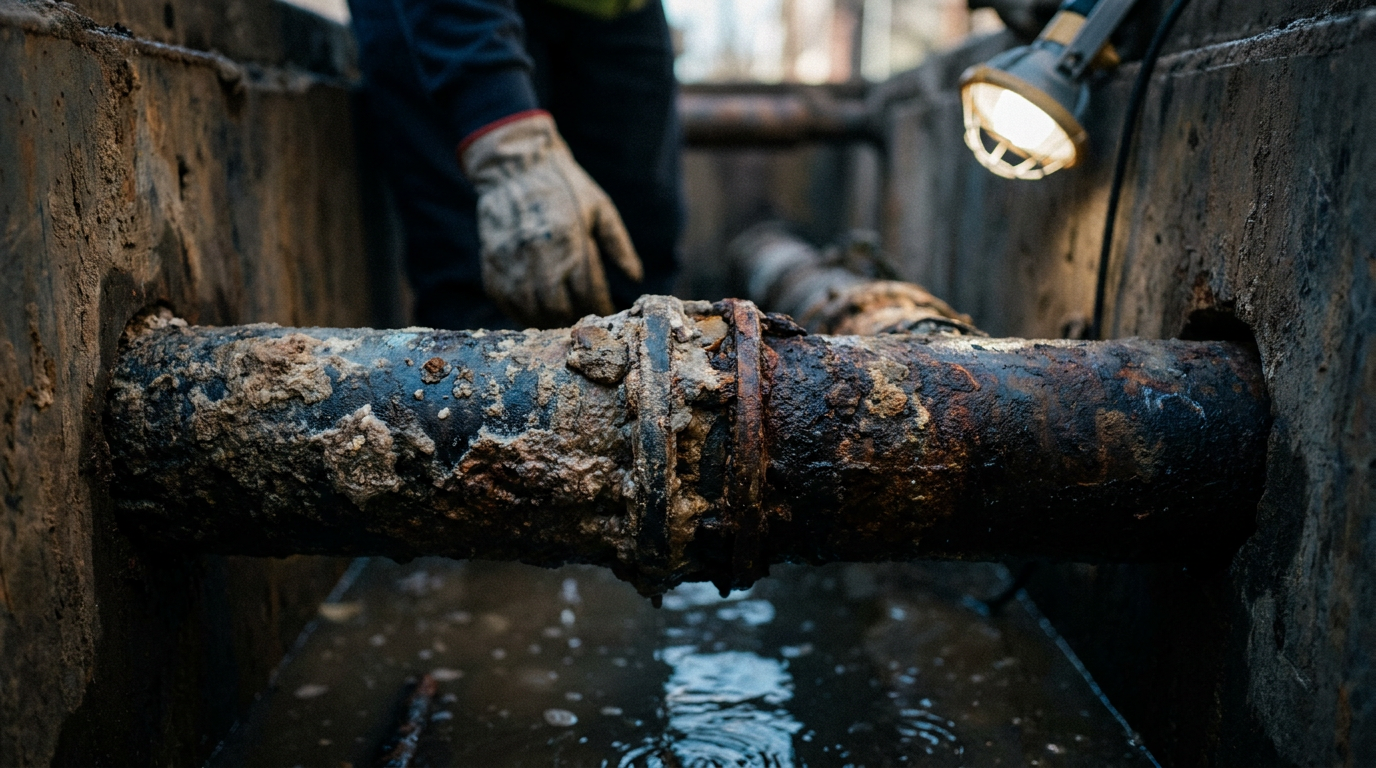
Your Tap Water Has Been to More Places Than You Think
Municipal water passes through chemistry, aging infrastructure, and microbial ecosystems before it reaches you — and the treatment plant is only the beginning.
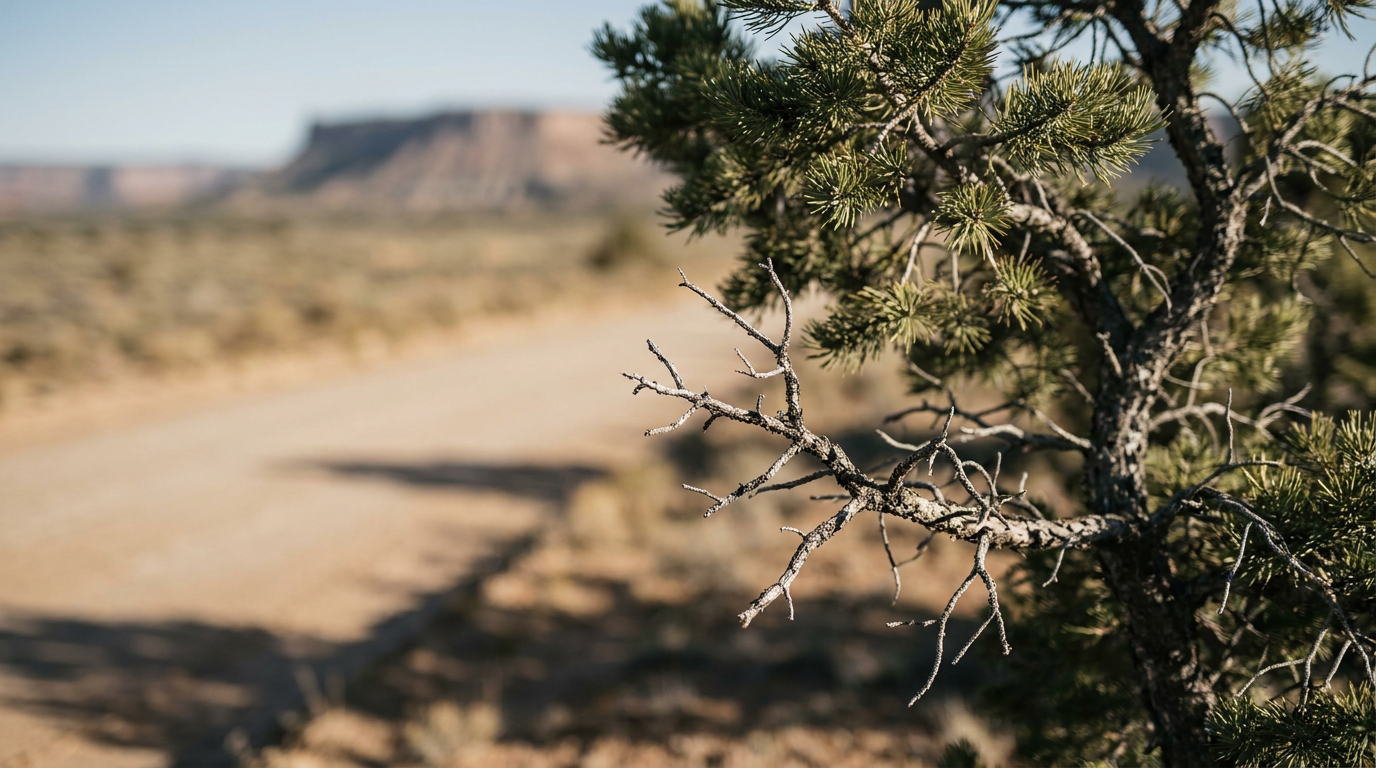
The Forest Still Looks Green. That's the Problem.
Research on Southwest US woodlands reveals that trees can lose the hydraulic and carbon reserves that keep them alive long before their canopy shows a single yellow leaf — meaning the forests we think we're watching die may already be past saving.
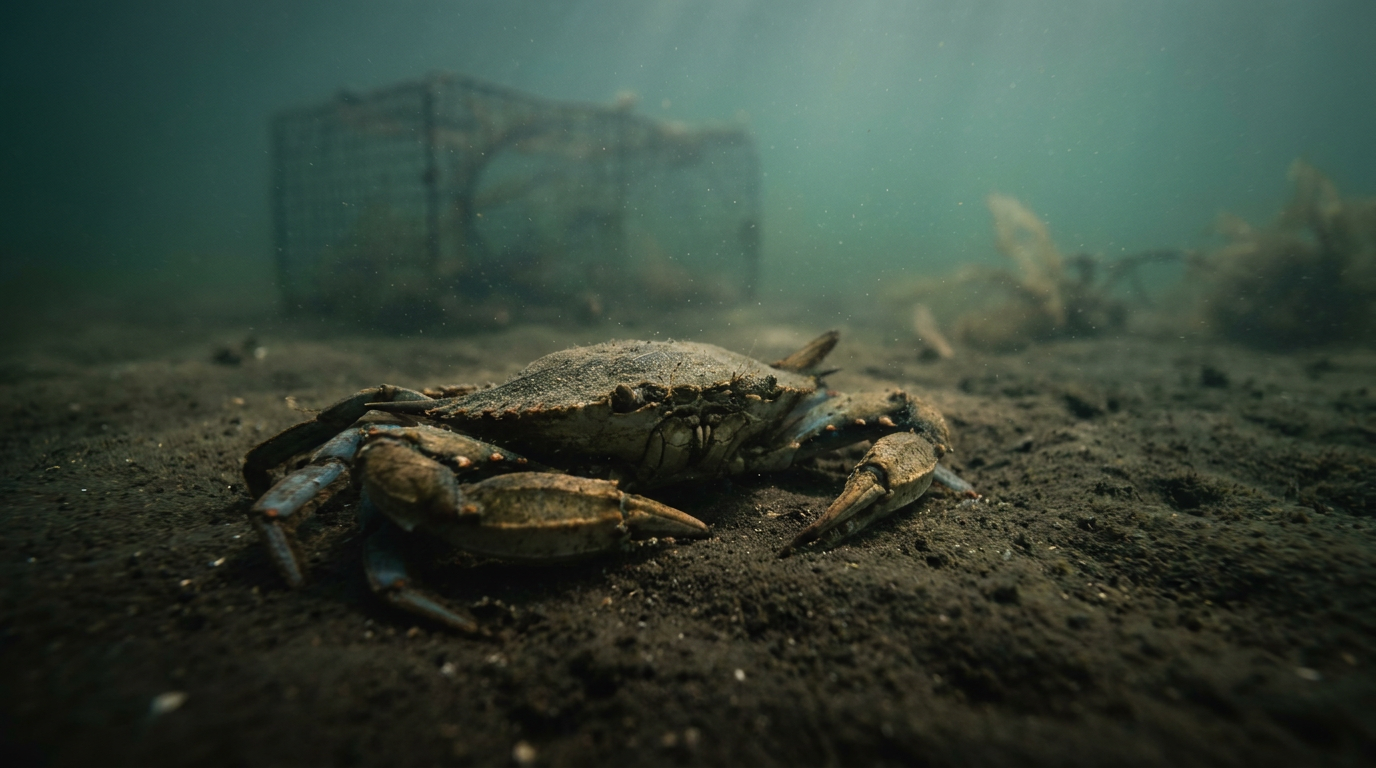
The Oceans Have Lost 500 Dead Zones' Worth of Silence
Ocean dead zones have grown tenfold since the 1950s, and the deoxygenation driving them is quietly rewiring marine life from the seafloor up — long before fish populations crash.
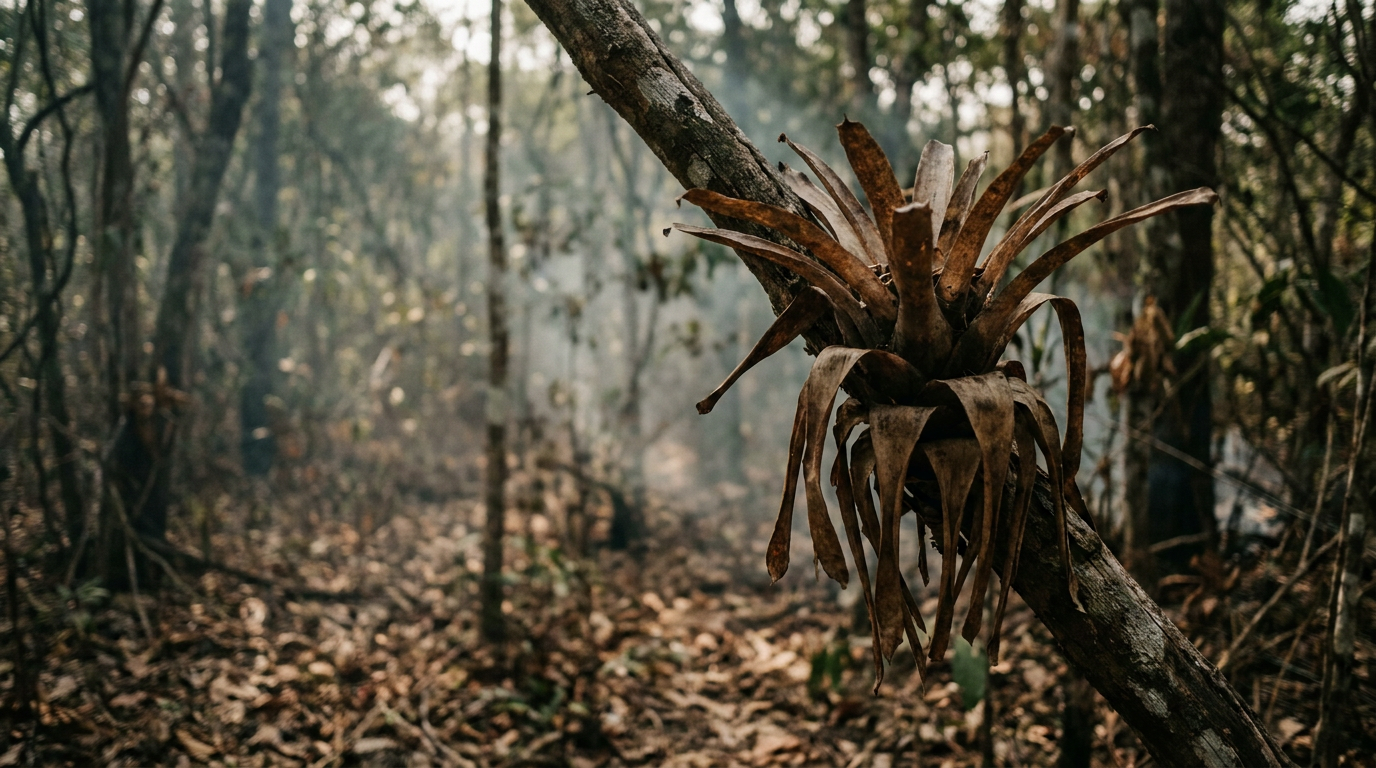
The Amazon Has a Specific Temperature Limit. Scientists Just Found It.
A new study puts a precise number on the Amazon's tipping point — and what happens just past it rewrites what we thought we knew about rainforest resilience.
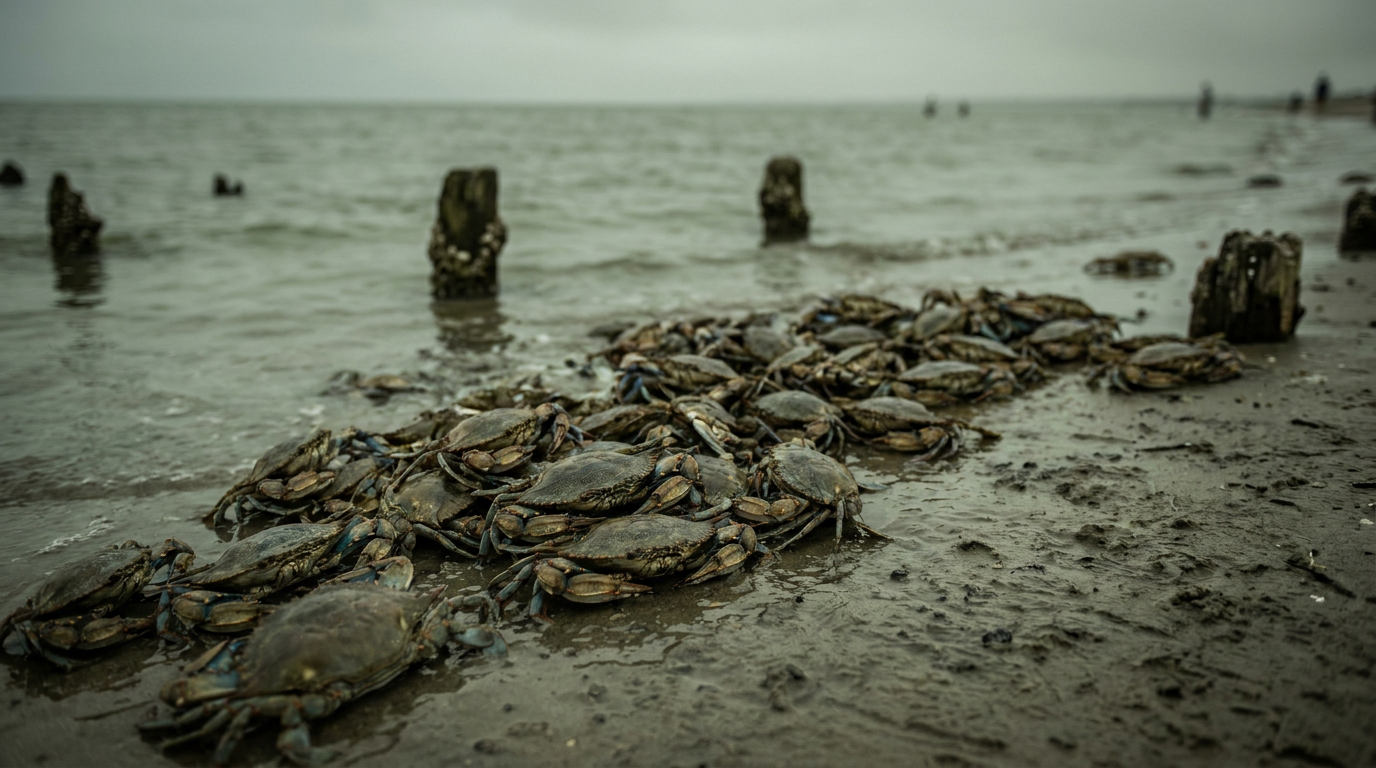
The Oceans Are Running Out of Breath. The Food Web Feels It First.
Dead zones have multiplied tenfold since the 1950s, but the real damage isn't the fish floating at the surface — it's the invisible collapse happening in the layers beneath them.
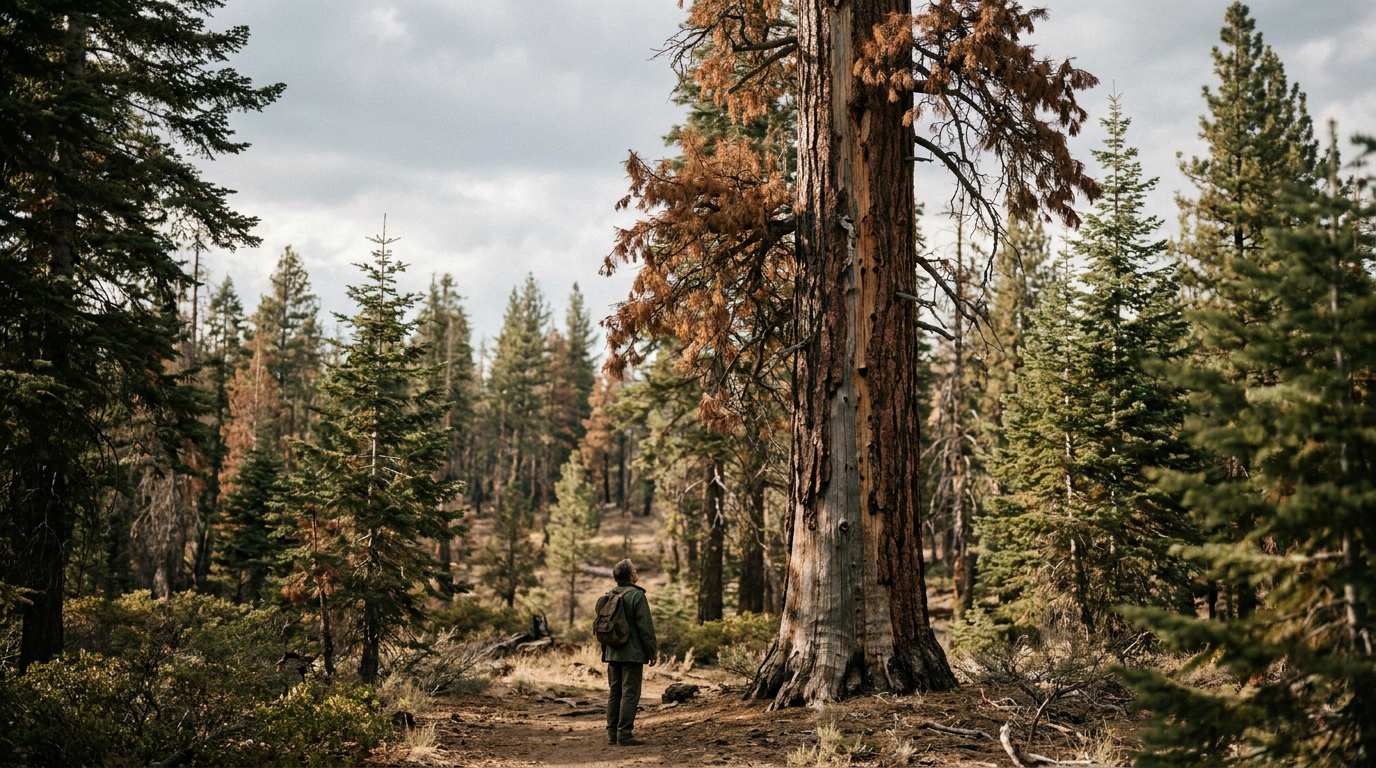
The Tallest Trees Are Dying First. That's Not a Coincidence.
A study of nearly 2 million California trees found that the largest trees die at twice the rate of small ones during drought — and the hydraulic physics behind that pattern reveal how forests begin to unravel long before they look like they're in trouble.
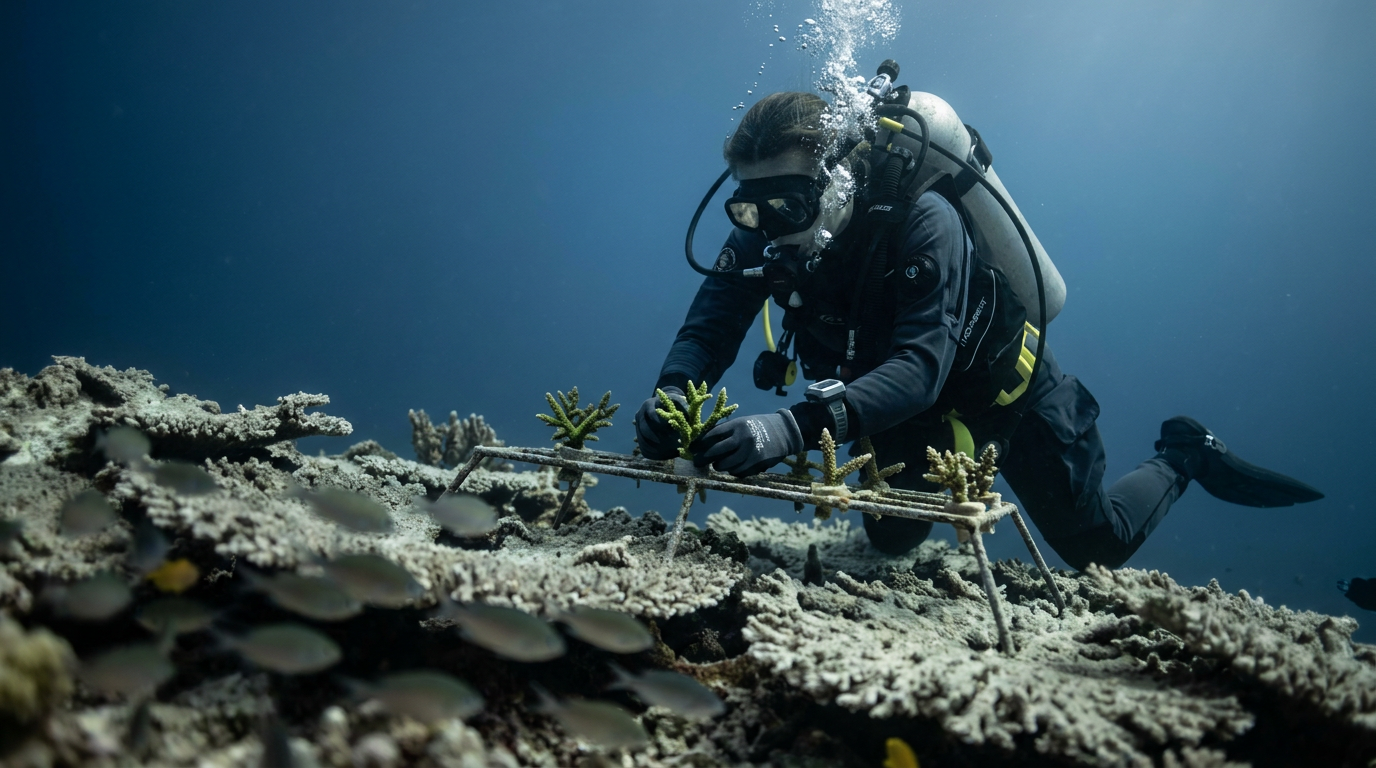
The Coral Reef Restoration Plan Can't Keep up. The Math Proves It.
Restoration science has gotten genuinely good at growing coral — which makes the numbers showing it can't possibly save reefs at scale even harder to look at.
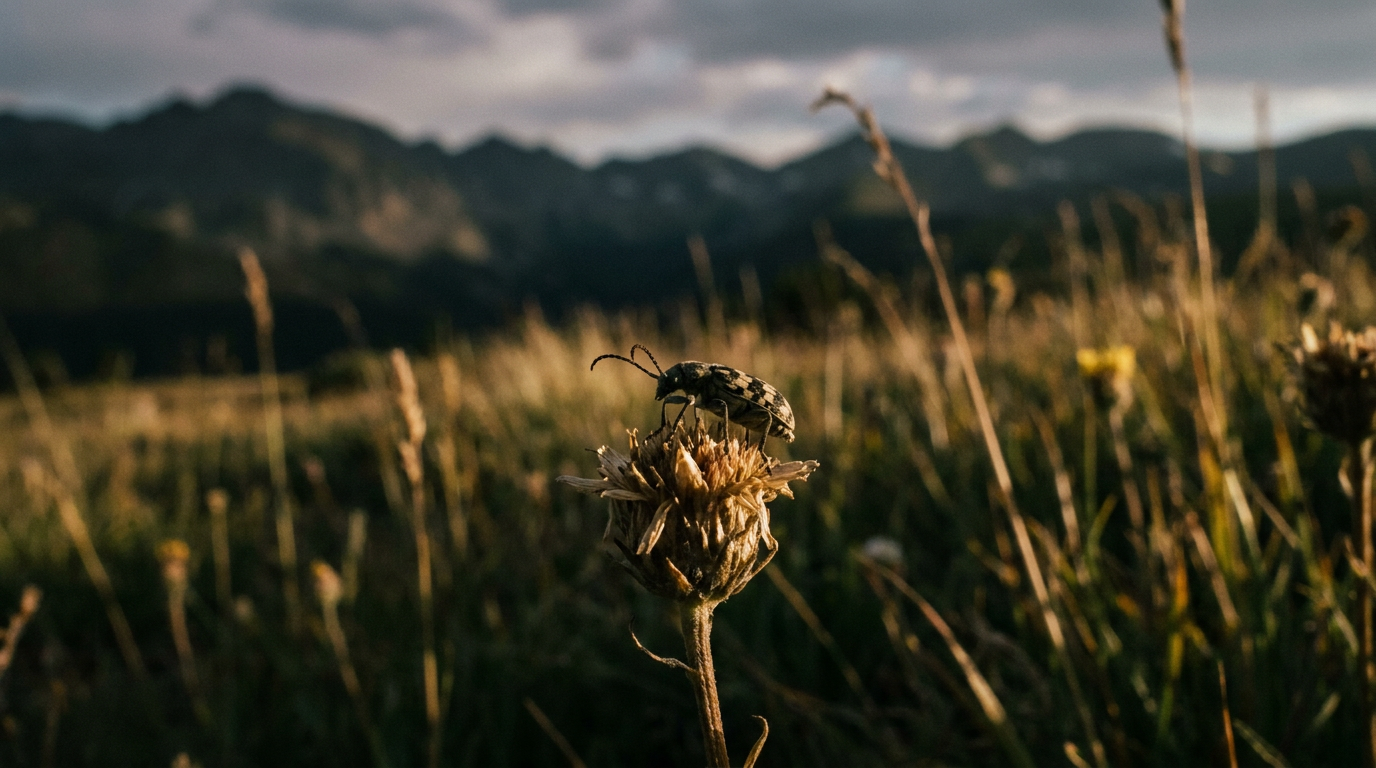
The Insects Are Vanishing Even Where We Didn't Touch Anything
A two-decade study in the Colorado Rockies found insect populations collapsing in pristine wilderness — and the culprit has nothing to do with pesticides, habitat loss, or human footprint.
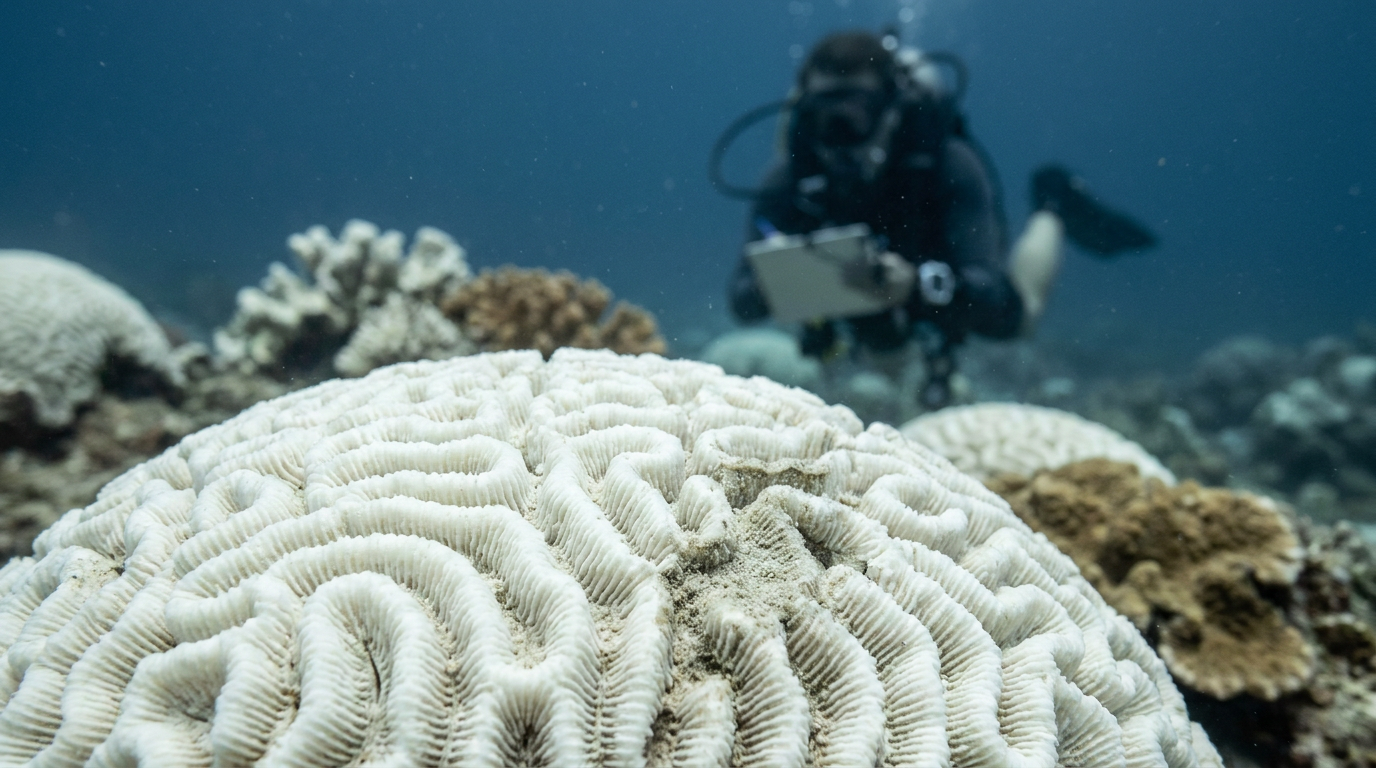
The Caribbean Reef That Was Growing Is Now Dissolving
A new study found that the 2023 marine heatwave flipped most Caribbean reefs from growth to erosion years ahead of schedule — and the reefs with the most coral paid the steepest price.
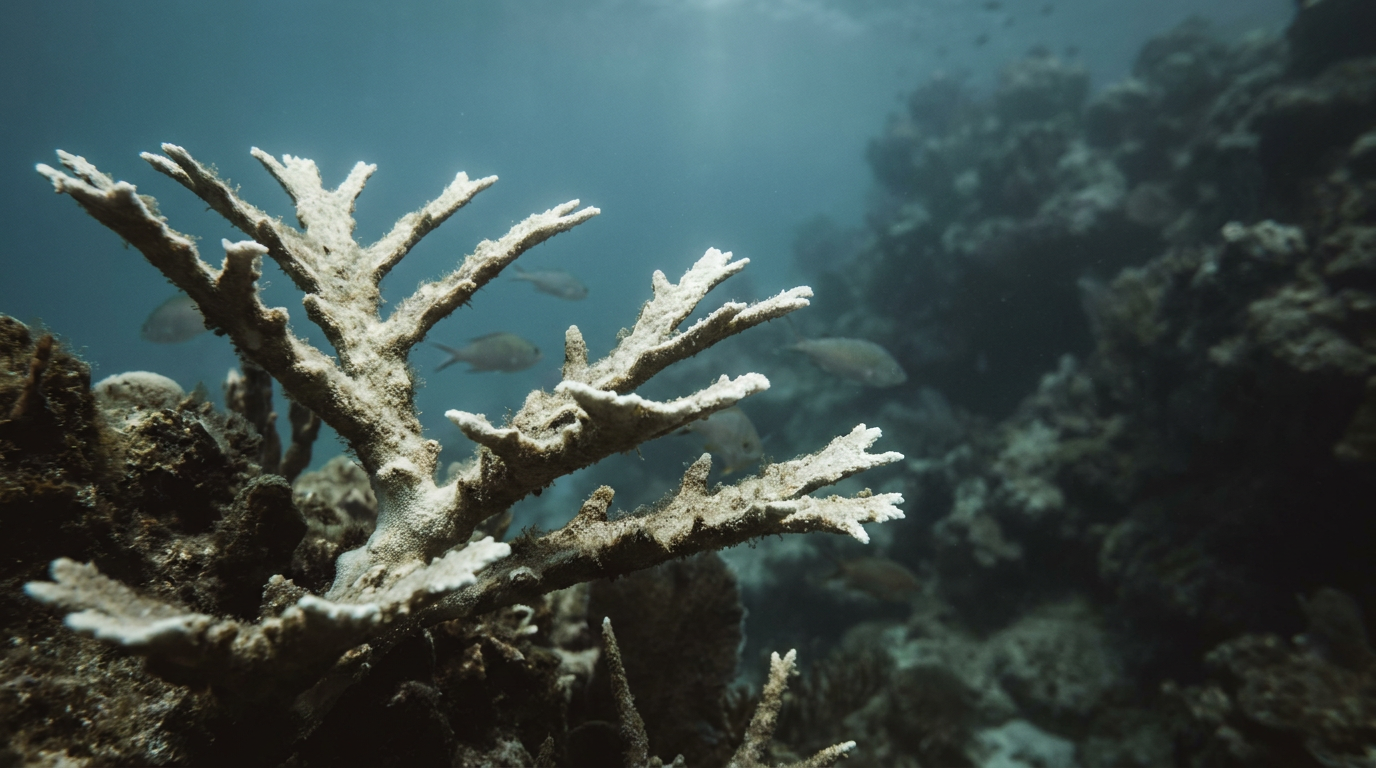
Florida's Reef Builders Are Functionally Extinct. The Reef Is Still There.
After the 2023 marine heatwave, staghorn and elkhorn corals crossed a threshold scientists call functional extinction — and the reef kept its shape just long enough to hide the damage.
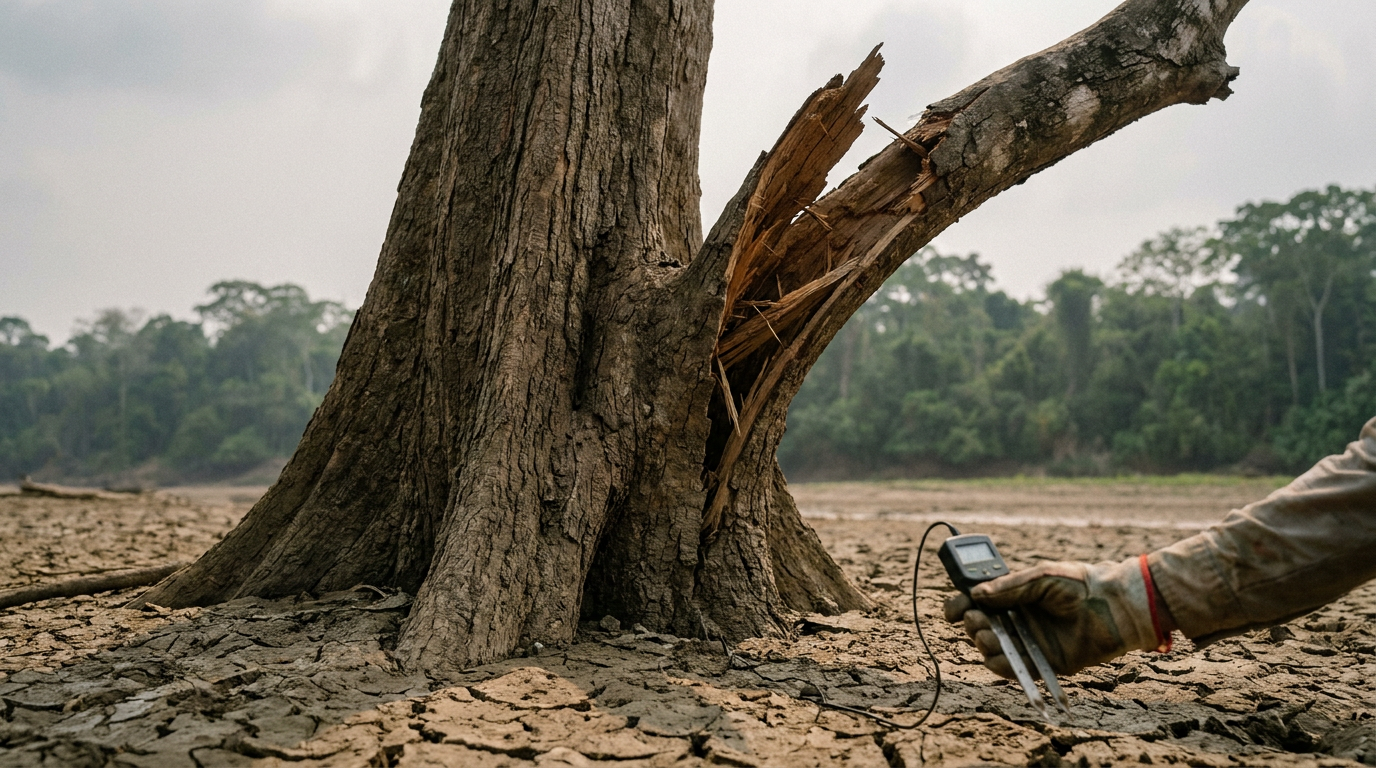
The Amazon Is Growing a Climate It Has Never Seen Before
Researchers have identified a precise soil-moisture threshold below which Amazon trees don't just wilt — they suffer fatal internal embolisms, and climate models suggest those conditions could persist for five months a year by 2100.
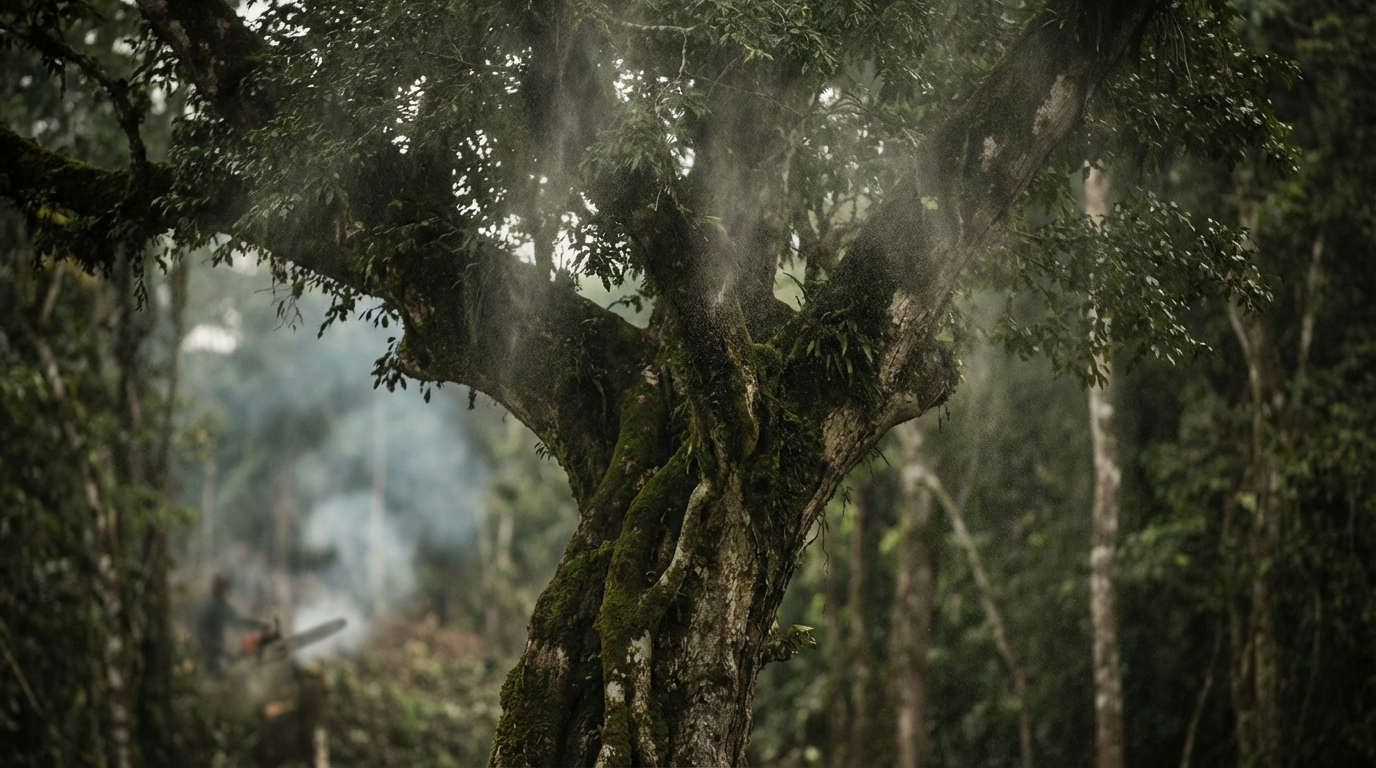
The Amazon Makes Its Own Rain. Deforestation Is Breaking That.
The Amazon recycles its own rainfall through vast airborne moisture corridors — and new data shows that eastern deforestation is already strangling the forests furthest downstream.
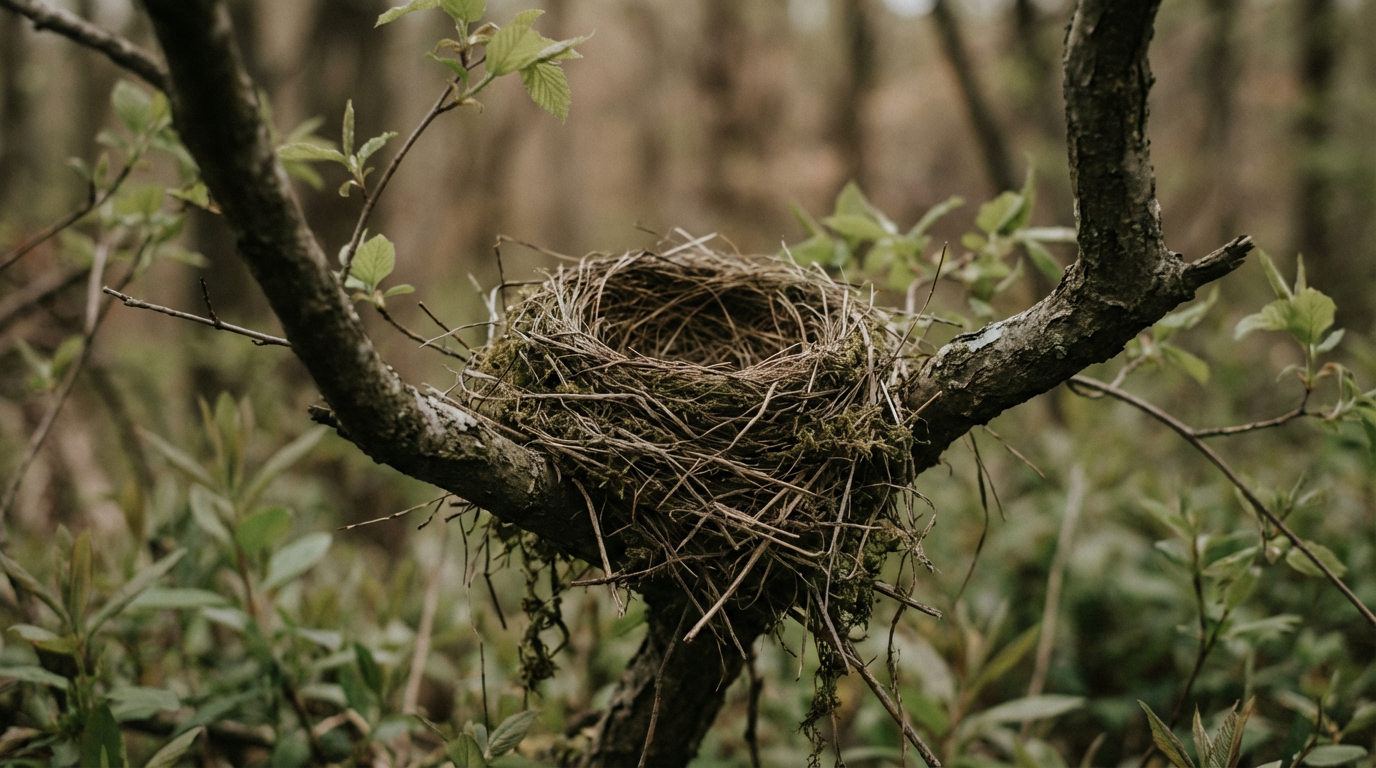
Migratory Birds Are Flying on the Wrong Clock
A warming world is splitting the seasons apart — and migratory birds, flying by an internal clock that no longer matches the land they're flying toward, are paying for the mismatch in empty nests.