All stories by
Vera Sloane
Vera Sloane writes about emerging technology, synthetic media, AI interfaces, robotics, digital environments, and the strange ways the future slips into ordinary life before most people have language for it. Her work focuses on near-future drift, where innovation stops feeling hypothetical and starts rearranging daily behavior, expectation, and mood.
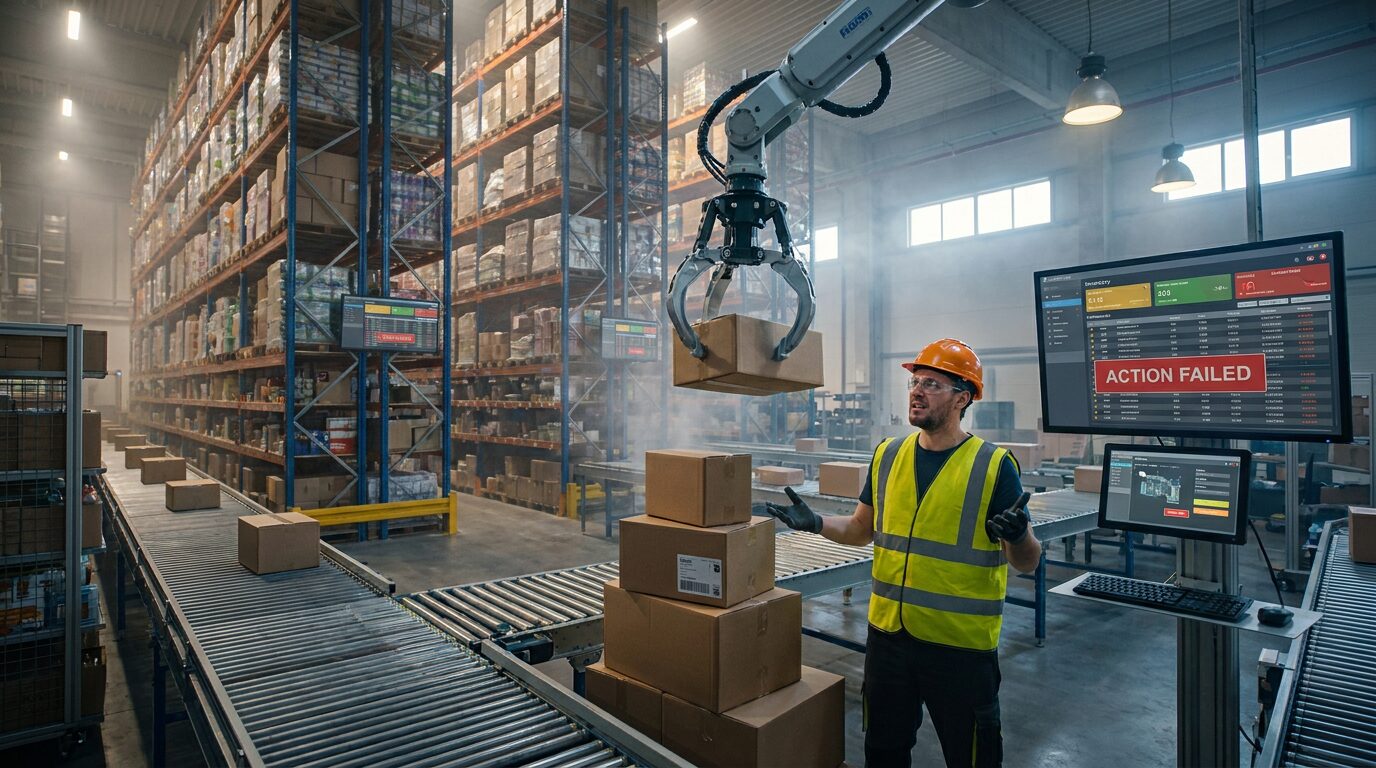
Why AI Agents Fail Even When They Understand the Problem Perfectly
A new benchmark exposes the uncomfortable gap between an AI agent perceiving a situation correctly and actually acting on it — and why existing tests can't tell the difference.
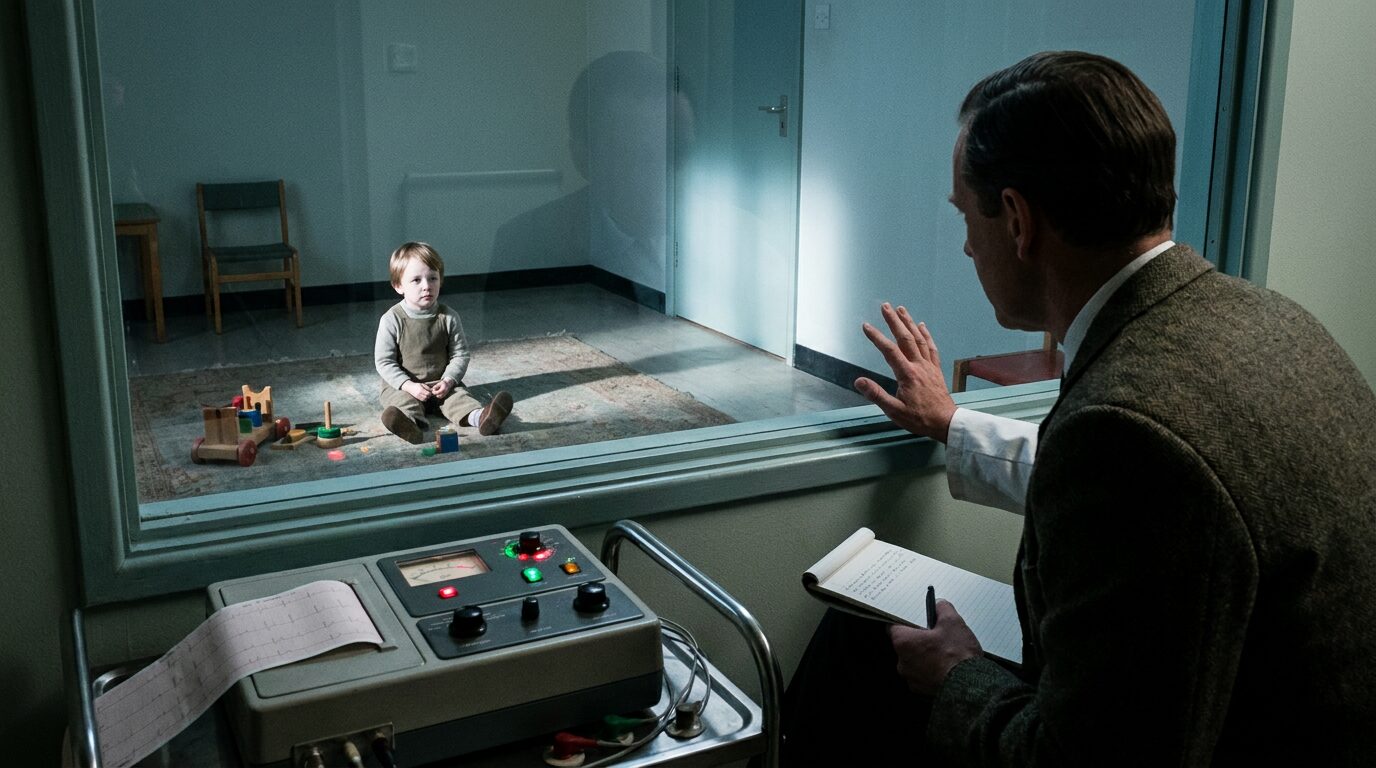
The Scientist Who Decided Loneliness Was a Medical Emergency — In 1958
John Bowlby had the physiological evidence before most doctors believed social disconnection could hurt you — and the story of how he was dismissed tells you something important about how medicine decides what's real.

Your Brain Now Contains a Spoonful of Plastic. We Don't Know What It's Doing.
A landmark study found microplastics concentrating in human brain tissue at startling levels — and the question of what they're doing there may be the most important unanswered problem in modern medicine.

The Lonely Algorithm Problem Nobody at Meta Wants to Talk About
New longitudinal research reveals that loneliness doesn't just make Instagram feel worse — it warps how users perceive the algorithm itself, creating a feedback loop the platform is structurally built to ignore.
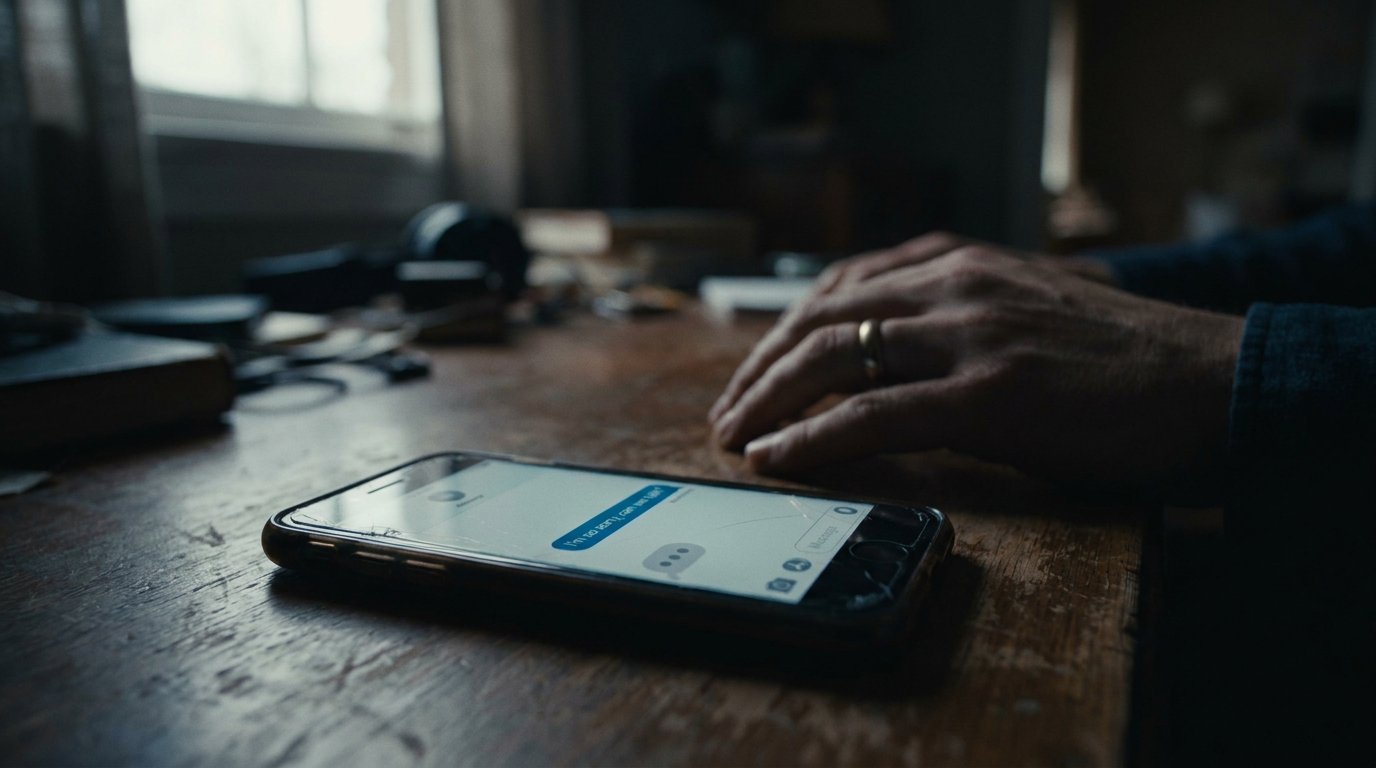
Why Fixing a Fight Over Text Almost Never Actually Fixes It
When you try to fix a fight over text, you're not just sending words — you're sending them through a channel that systematically strips out everything that makes repair work.
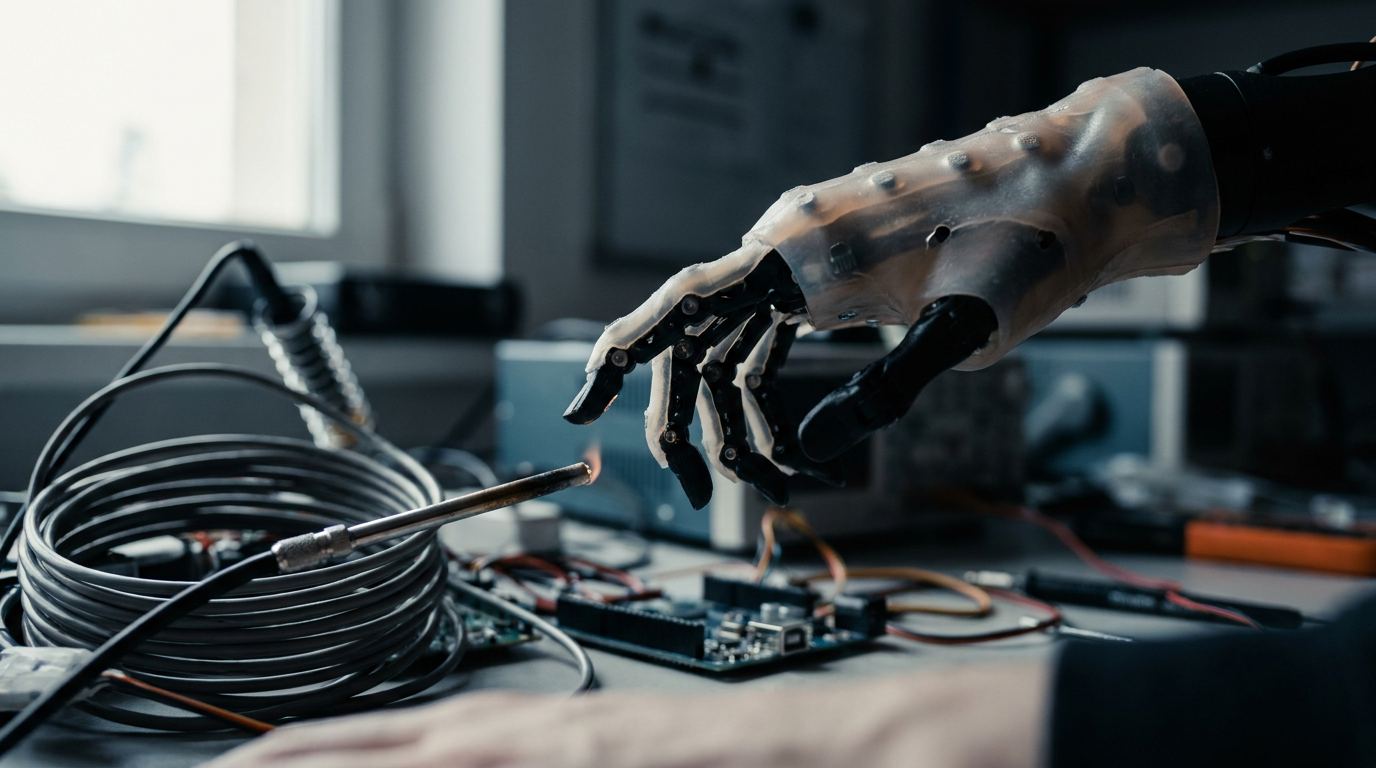
The Robot That Needs to Feel Pain Before It Can Live with You
The latest neuromorphic skin research reveals a strange truth: robots only become safe to live with once they can flinch.

Your AI Companion Knows You Better Every Day. That's Exactly the Problem.
A controlled study didn't find that bad AI conversations harmed people — it found that good ones did something quieter and harder to undo.