Psychology & Behavior
The patterns, pressures, wounds, and coping mechanisms shaping how we feel, think, and function.

Being Good at Groups Is Not the Same As Belonging to Them
A psychiatrist's new concept redraws the introvert-extrovert map — not by where you get your energy, but by whether you ever feel truly inside a group at all.
Anger Is the Most Contagious Emotion Online. Here's the Exact Sequence.
A 60,000-post study mapped exactly how anger, disgust, and fear spread through online groups — and the sequence explains why some communities never fully recover.
Anxiety Isn't One Disease — And a Massive Genetic Study Just Proved It
The biggest genome-wide study of anxiety disorders ever conducted found 58 genetic risk variants — and that number is the most honest thing science has said about this condition in decades.

The Rejection Sensitivity Trap Everyone's Getting Wrong
Rejection sensitive dysphoria went viral as a neurobiological fact — but new research shows the school, the correction, and the repeated verdict of "wrong" helped build it.

What Trump's Behavior Patterns Actually Reveal — And Why It Matters for All of Us
Armchair diagnosis of a president is bad science — but ignoring the psychological mechanics of his leadership style is worse.

Self-Compassion Is Everywhere Now. The Research Is More Complicated.
New meta-analyses confirm self-compassion genuinely reduces self-criticism — but its much-hyped effects on shame and relational pain are weak and inconsistent, and that gap matters more than the wellness industry wants to admit.

Burnout Hits Hardest at 25 Now. That Used to Be 42.
New workforce data shows peak burnout has shifted nearly two decades younger — and the culprit isn't screen addiction or generational softness but a structural mismatch your nervous system was never built to absorb.

One Bad Night's Sleep Doesn't Just Make You Tired. It Makes You Cruel.
A major 2025 review of 29 meta-analyses confirmed that sleep deprivation measurably destabilizes your emotions — and the neurological reason why is more specific, and more fixable, than you think.

Sleep Doesn't Just Store Your Memories. It Edits Them.
New research on targeted memory reactivation reveals that sleep doesn't just store what happened — it strips, reshapes, and re-files the emotional charge attached to your experiences.

Anxious + Anxious Attachment: When Two People Both Need Reassurance and Neither Feels Safe Enough to Give It
Two people with anxious attachment can feel like a perfect emotional match — until both nervous systems demand soothing at once and neither has any left to give.

Secure + Dismissive Avoidant Attachment: Can Steady Love Reach Someone Who Protects Themselves with Distance?
A secure partner is supposed to be the ideal match for someone who shuts down under pressure — but the mechanism that makes this pairing promising is the same one that can quietly destroy it.
The Read Receipt Is Making You a Worse Reader of People
Every blue checkmark and last-seen timestamp quietly teaches your nervous system that human silence is data — and it's making you worse at the kind of reading that actually matters.

Secure + Anxious Attachment: When Calm Love Meets a Nervous System That Keeps Checking the Door
Secure and anxious partners often find each other for good reasons — but the very steadiness that should feel like relief can trigger the anxious nervous system in ways neither person sees coming.

Narcissists Can Feel Your Pain. They Just Don't Stay There.
New research on narcissistic personality disorder is overturning the 'empathy deficit' story — and what it replaces it with is harder to sit with.
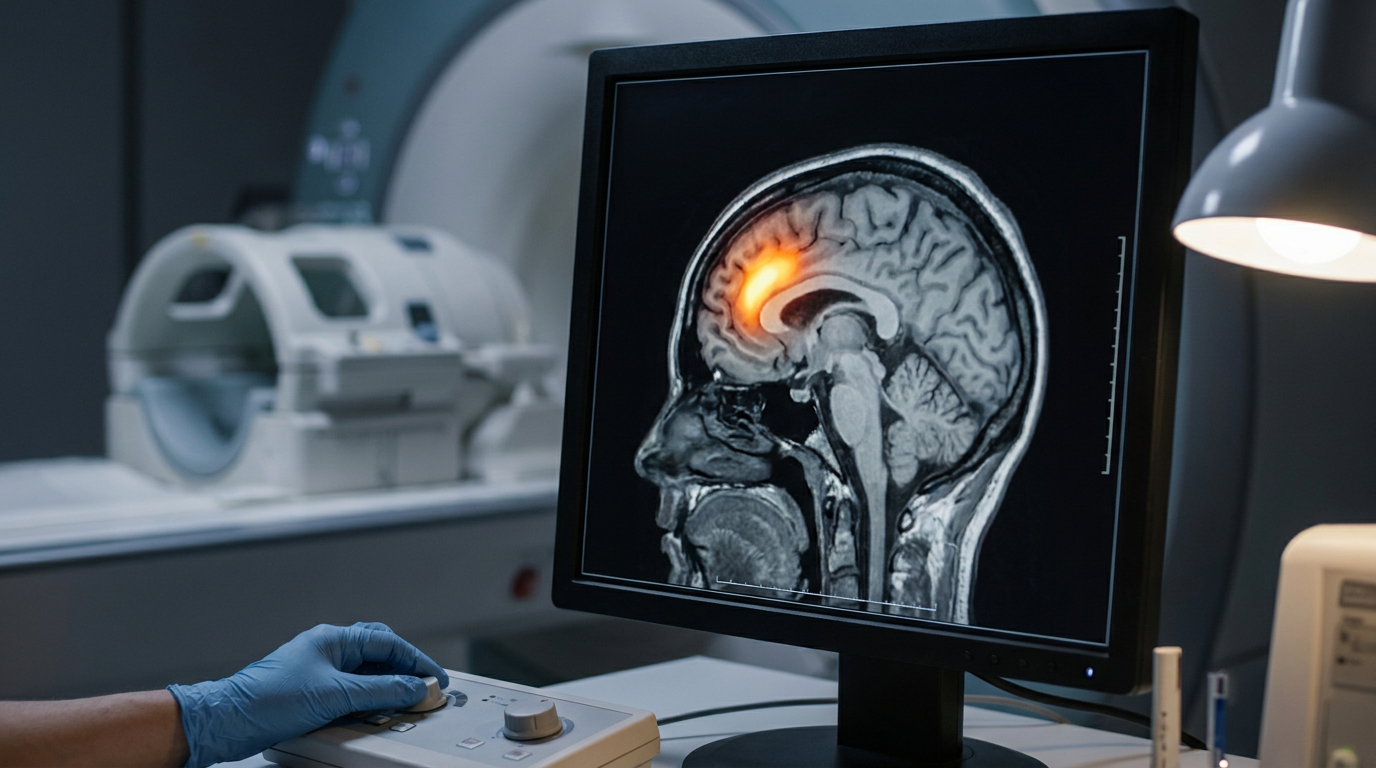
Your Brain Treats Rejection Like a Burn — And Now We Know Why It Learns From It
New brain imaging research reveals that the sting of rejection isn't just damage — it's your social navigation system quietly running an update.

The Reason You Can't Remember Whether You Actually Locked the Door
The same flaw that makes eyewitness testimony collapse in court is why standing in your driveway, replaying the morning, will never actually tell you what you need to know.

The Family Scapegoat Grows up. The Role Doesn't Stay Home.
Childhood family roles — scapegoat, hero, lost child, caretaker — don't end when you move out; they migrate into adult life as invisible job descriptions you never agreed to keep.

Grandiose Narcissism Doesn't Protect Against Shame. It Just Buries It.
New research maps the hidden engine beneath narcissistic behavior — and it turns out confidence isn't the mechanism. Shame management is.

The Child Who Raised the Adults Never Learned to Need Anyone
New research on parentification shows that the survival strategies emotionally burdened children build don't retire when childhood ends — they just find subtler places to run.

When Someone Goes From Perfect to Worthless in an Afternoon, This Is What's Happening in Their Brain
A Bayesian model of splitting reveals that idealization and devaluation aren't emotional manipulation — they're what happens when a particular kind of brain runs out of room for ambiguity.

Your Phone Knows You're Avoiding. Researchers Just Proved It.
A new study tracked GPS, texts, and screen time for three months and found that avoidance leaves measurable digital traces — but anxiety and depression leave completely different ones.

The Anxious Conformist and the Defiant One Are Both Running From Rejection
New research shows that fearing rejection and expecting rejection produce opposite behaviors in children — and the adult lives they build look nothing like each other.

Rumination Isn't Overthinking. It's a Loop Your Brain Can't Find the Exit For.
New research suggests rumination isn't one problem but several — and that gap may explain why the same thought keeps winning.

The Narcissist in Your Therapist's Chair Is Probably Misdiagnosed
A growing body of clinical evidence shows that NPD is routinely confused with BPD, hyperthymic temperament, and even high ambition — and the cost to patients who need the right frame is steeper than anyone wants to admit.