Financial Psychology & Habits
Why we spend, save, avoid, justify, sabotage, and repeat the same money patterns.

You're Not Canceling Netflix. You're Taking Back Control.
A new consumer study reveals that people aren't cutting back on spending — they're fleeing a specific feeling, and psychology has a precise name for it.

The Quiet Decision That Slowly Ends a Partnership
A large study found that financially stressed couples talk about money less, not more — and the avoidance loop that follows does more damage than the debt ever could.

Talking About Money Is Embarrassing. It's Also the Most Effective Fix.
A new study found that talking about money — not managing it better — significantly cuts financial anxiety, and the reason why exposes something uncomfortable about how control actually works.
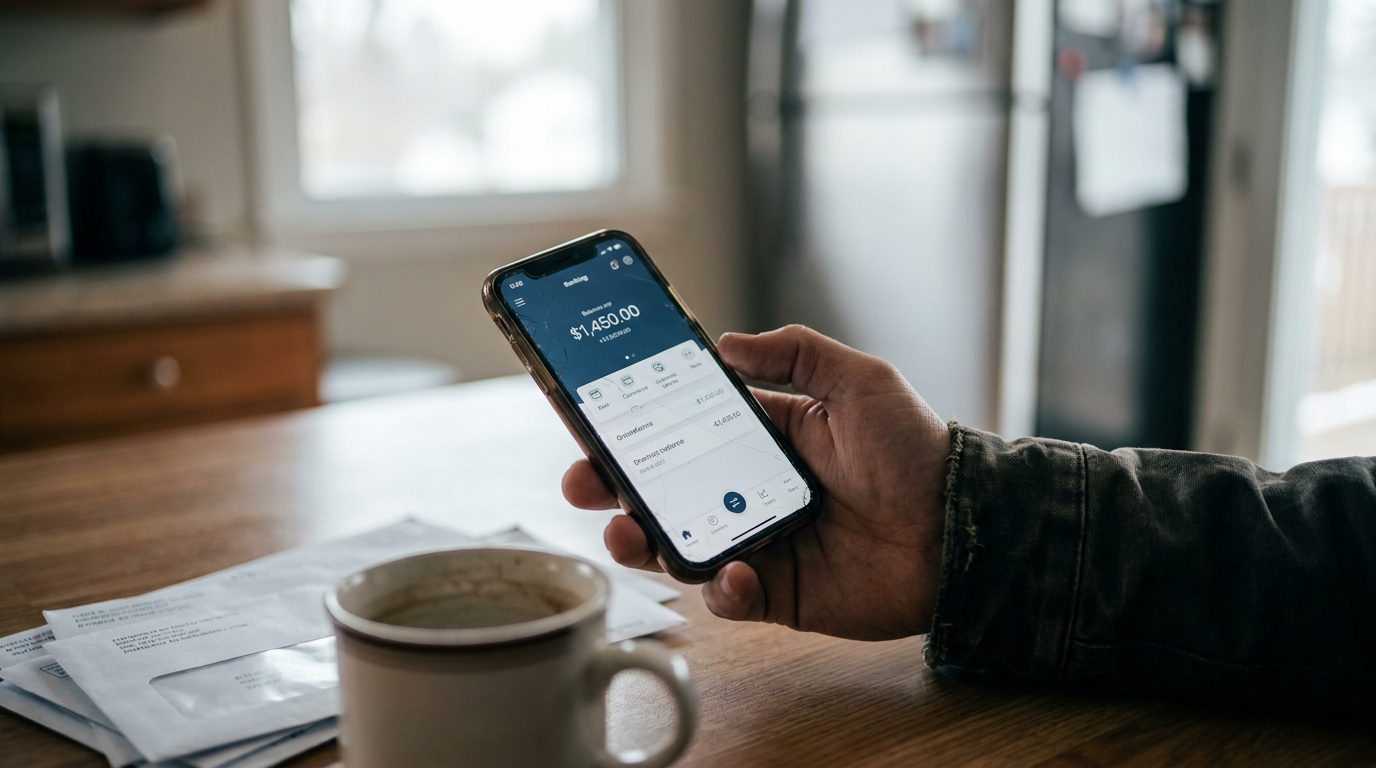
The Feeling of Broke Doesn't Care What's in Your Account
A new survey found nearly half of Americans feel financially insecure despite stable numbers — and the reason has less to do with self-doubt than with what scarcity teaches you to believe about yourself.

Not Looking at Your Bank Account Is a Coping Strategy. A Terrible One.
A new study finds that a third of Gen Z consumers actively avoid checking their finances — and the mechanism behind that avoidance is more precise, and more fixable, than anyone calling it laziness is willing to admit.

Climate Anxiety Is Changing How Young People Think About Money — But Not How You'd Expect
New research on eco-anxiety finds a hidden fork in the road — and which path young people take has almost nothing to do with how worried they are.

Your Brain Treats Feeling Broke the Same Way Whether You Are or Not
Research now shows that the felt sense of not having enough shrinks your thinking and kills your saving — even when your bank balance says otherwise.

The Debt Collector Called. Your Nervous System Never Recovered.
New research separates debt collection pressure from debt itself — and what it finds about who gets harmed most should change how we talk about financial stress entirely.

The Feeling of Not Having Enough Is Its Own Financial Problem
New research shows that feeling financially stretched — regardless of what you actually earn — quietly suppresses retirement savings in ways that have nothing to do with math.

Your Paycheck Varies. Your Brain Never Recovers From That.
New research on month-to-month income swings reveals that unpredictability alone — not poverty — is enough to corrupt financial decision-making at the neurological level.

Tapping Your Card Doesn't Feel Like Spending — That's by Design
A new construct called 'Spendception' goes deeper than the old cashless effect story — and the mechanism it names says something uncomfortable about how modern payment systems are actually designed.

The Scarcity Mindset Doesn't Just Stress You Out. It Literally Borrows From Your Brain.
Researchers are finding that financial scarcity doesn't just feel exhausting — it measurably commandeers the mental resources you'd need to escape it.

Your Brain Treats Financial Worry Like a Physical Emergency — And That's the Problem
New research shows that perceived financial threat — even when the numbers are fine — triggers the same attentional shutdown your brain uses for physical danger, and that shutdown is exactly what makes saving feel impossible.
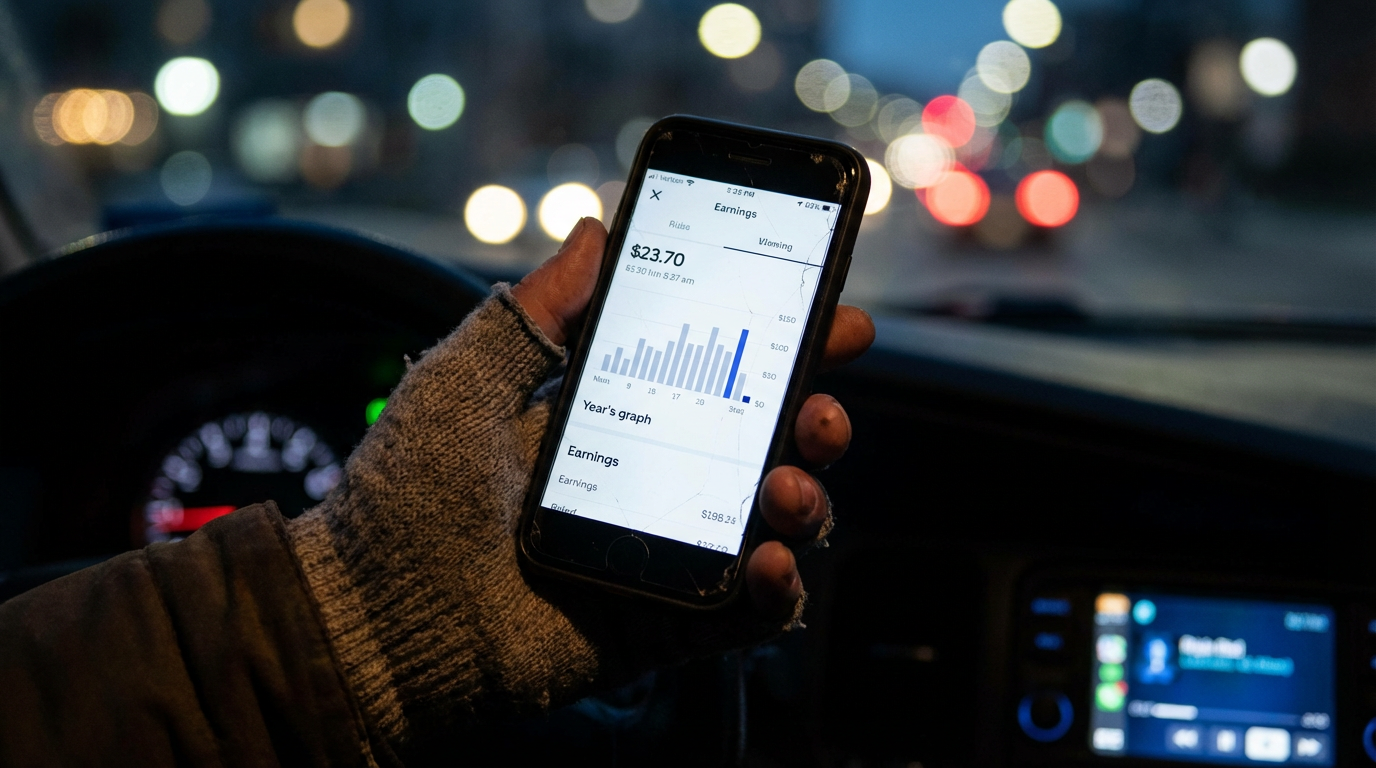
Your Unpredictable Paycheck Is Rewriting How Your Brain Prioritizes Everything
New research confirms what millions of gig workers already feel in their bodies: income volatility isn't a cash-flow problem — it's a cognition problem, and it's reshaping what the brain treats as real.

Retail Therapy Isn't Weakness. It's a Regulation Strategy That Costs Too Much.
A 2025 study confirmed what stressed shoppers already knew: emotional spending is a deliberate regulation strategy — which raises an uglier question about why it's often the most available one.

Why Saving More Money Makes Some People Feel Less Safe
The financial security threshold keeps moving upward no matter how much you save — and that's not a math problem, it's a psychological one with a specific, fixable mechanism.