Psychology & Behavior
The patterns, pressures, wounds, and coping mechanisms shaping how we feel, think, and function.
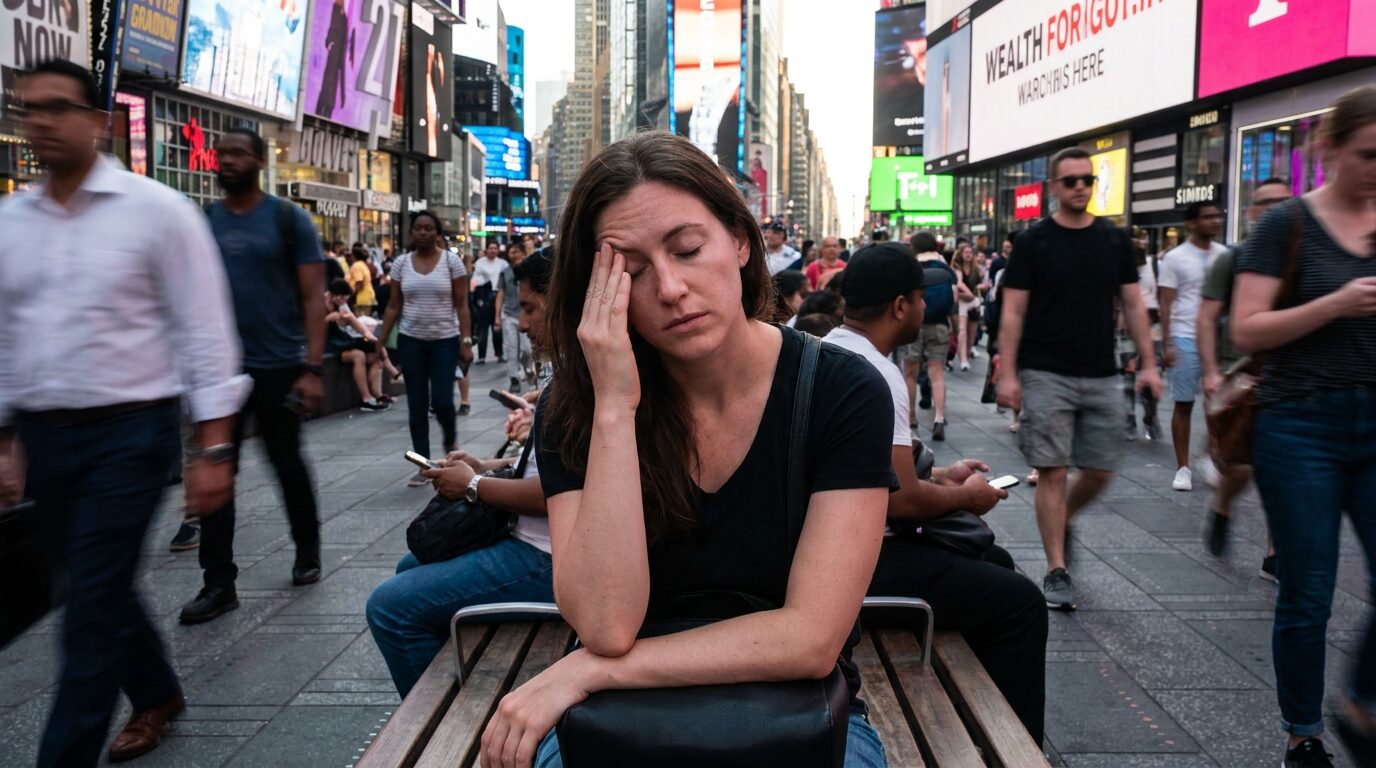
You're Not Too Sensitive. You're Overstimulated. There's a Difference.
New research tracked sensitive people in real time and found their overload doesn't strike randomly — it builds in predictable daily arcs, which changes everything about how to handle it.
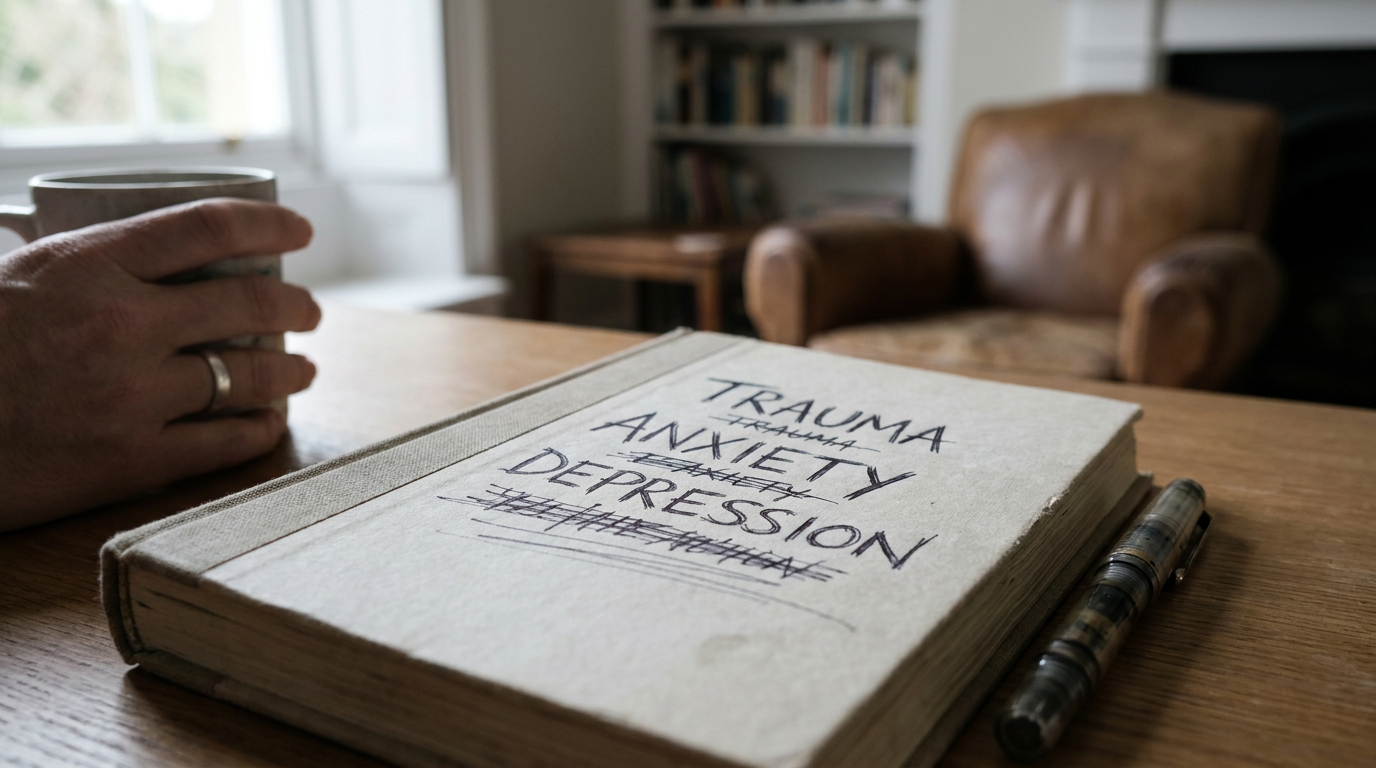
"Anxiety" and "Depression" Are Getting Heavier. The Words Themselves Are the Evidence.
New research on how mental health language shifts over time found a split that nobody predicted — and it explains why some people can't get taken seriously while others are afraid to speak up at all.

Your Therapist Might Be Stigmatizing NPD Without Knowing It
A 2025 study found that therapist hostility systematically warps clinical judgment about narcissistic personality disorder — and the bias operates quietly enough that most clinicians never notice it in themselves.

RSD Isn't a Personality Flaw. Schools Are Helping Create It.
New research argues that rejection sensitive dysphoria isn't simply a trait some people are born with — it's a pattern that certain environments create, and that distinction quietly shifts who bears the responsibility.

Shame Isn't a Feeling. It's a Structure — And It Outlasts the Wound
New research suggests shame's staying power has less to do with what hurt you and more to do with whether anyone helped you survive it — and that distinction rewires how we think about healing.
Your Brain Is Still Looking for Them. That's What Grief Actually Is.
New neuroscience suggests grief isn't a sequence of emotional stages — it's a prediction-error crisis, and your brain is running a search it cannot cancel.

Burnout Doesn't Know It's Burnout. That's the Whole Problem.
After 50 years of research, scientists still can't agree on what burnout actually is — and that definitional fog lives inside the people trying to recognize it in themselves.

The Child Who Learned That Love Has Conditions Is Still Earning It
When parental warmth comes tied to performance or compliance, children don't just learn to work harder — they build a self-concept that keeps collecting the debt long after they've left home.

You're Not Faking Fine. You're Burning Through the Last of Your Resources.
A major 2025 meta-analysis found that pretending to feel emotions you don't is one of the fastest routes to depression — and the reason why changes everything about how you actually recover.
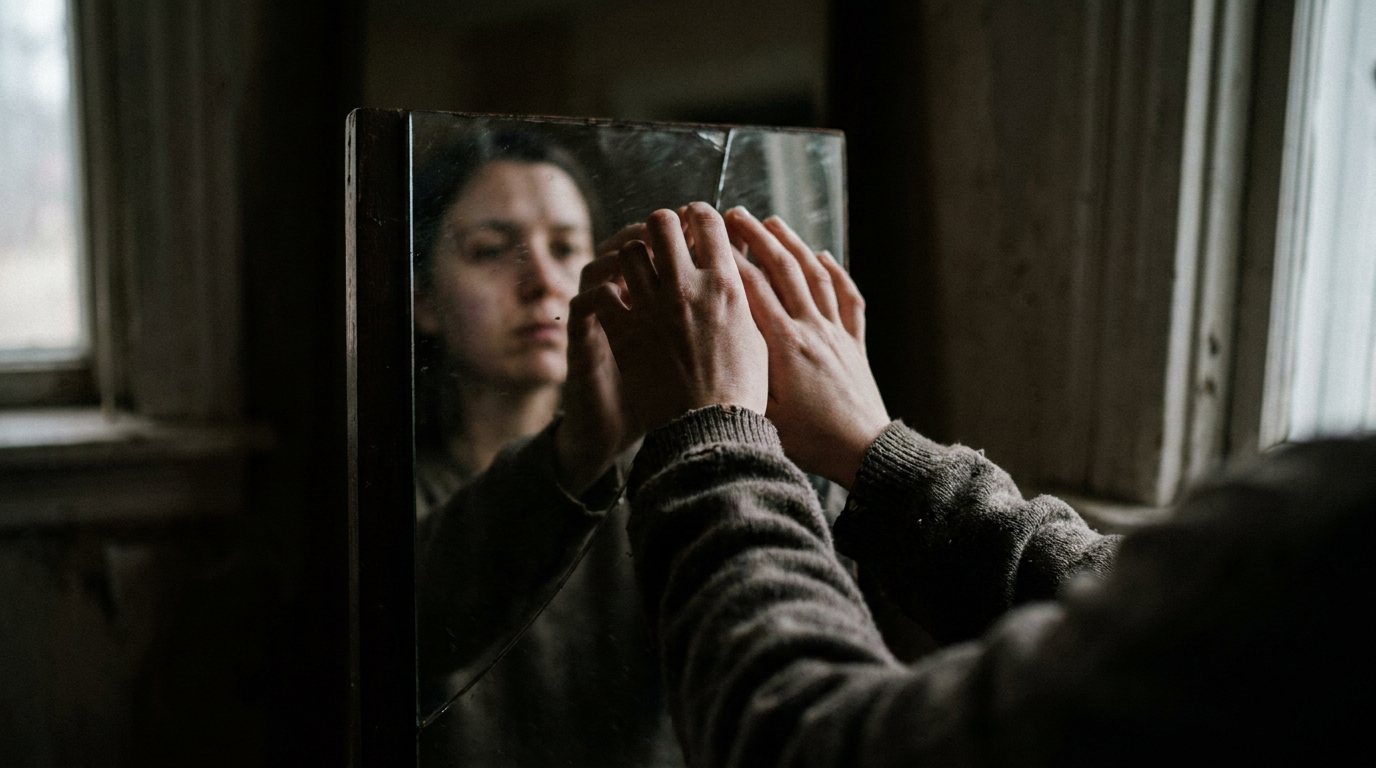
The 'Empty' Feeling in BPD Isn't Emptiness. It's Something Stranger.
Identity disturbance sits at the heart of borderline personality disorder — and a major 2025 review found that psychiatry still has no consensus on what it is, how to measure it, or why it makes people disappear to themselves.

Your Brain on Burnout Is Running a Shutdown Protocol
Researchers studying burnout are finding that emotional blunting isn't collateral damage — it's an active defense your brain runs, and that changes everything about how you recover.
The Good Child Learned to Disappear. They're Still Doing It.
Research on rejection-sensitive children who conform to belong is revealing how early disappearing acts become so practiced they stop feeling like acts at all.
Loneliness Doesn't Make You Want People Less. It Makes You Afraid of Them.
Research is revealing that long-term loneliness doesn't just hurt — it quietly rewires how the nervous system reads other people, turning the cure into something that feels like danger.

The Shy Baby You Were Is Still Deciding Who Gets to Know You
Longitudinal research tracking people from infancy to their mid-twenties suggests that the hesitant baby at the edge of the playground may still be quietly running the social decisions of the adult.

Narcissists Feel Left Out More Than Anyone. Then They Make It Worse.
New large-scale research reveals that narcissistic individuals suffer more social rejection than their peers — and that their own defensive responses are what keep the cycle running.
The Exhaustion Isn't the Problem. The Suppression Is.
New research suggests it's not how much stress you're carrying that accelerates cognitive decline — it's what you do with it when no one's looking.
The Child Who Became the Family's Emotional Caretaker Didn't Choose It
Children who manage their parents' emotional lives don't just lose a childhood — they inherit a relational blueprint that can quietly run their adult relationships for decades.

Worry Isn't Pessimism. It's Your Brain Trying to Stay Calm.
A model called Contrast Avoidance explains why anxious people sometimes prefer dread to hope — and why that changes everything about how we treat chronic worry.
Your Childhood Best Friend Shaped Your Adult Relationships More Than You Think
A 30-year study found that childhood friendship quality independently predicts adult relationship security — which means the attachment story we've been telling is missing a whole chapter.
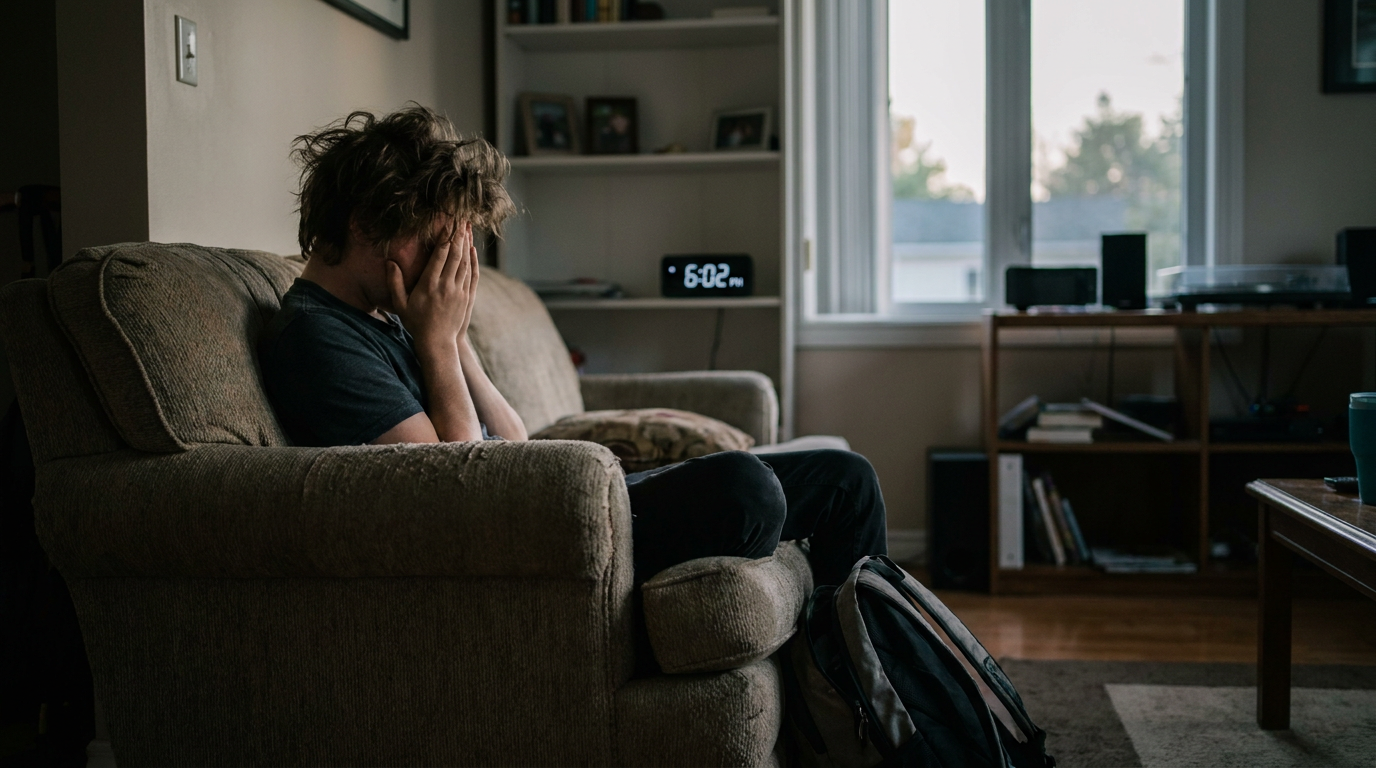
Overstimulation Doesn't Peak When Things Get Loud. It Peaks at 6 PM.
A new study tracked sensory overload across real weeks in real people, and what it found reframes the moment you think you fell apart.

BPD Is Not a Personality Disorder. Some Researchers Think It Never Was.
A landmark 2025 paper argues that borderline personality disorder isn't a personality problem at all — and the evidence for where it really lives in the brain has been hiding in plain sight.

Rejection Sensitivity Doesn't Start with a Broken Heart. It Starts with a Worried Child.
New research on rejection sensitivity's environmental roots reveals something most adults who carry it were never told: it wasn't a flaw they were born with, it was a strategy they built.
Why Emotional Flashbacks Feel Nothing Like Flashbacks
Emotional flashbacks don't play back a memory — they hijack your emotional state entirely, leaving you flooded with shame or dread and no idea why.
Burnout Doesn't Feel Like Exhaustion. It Feels Like Nothing.
Emotional numbness in burnout now has a measurable neural signature — and what it reveals reframes one of the most misunderstood states in mental health.