Psychology & Behavior
The patterns, pressures, wounds, and coping mechanisms shaping how we feel, think, and function.

Overthinking Isn't Problem-Solving. Your Brain Knows the Difference.
New research on rumination's timing reveals that the cognitive loop you call 'working through it' is structurally different from actual problem-solving — and your brain's confusion about which one is happening is exactly what keeps the spiral alive.

Loneliness Isn't Waiting to Be Fixed. It's Actively Making Itself Worse.
Research now shows chronic loneliness doesn't just hurt — it distorts the social signals you need to escape it, which is why the standard fix makes the problem worse.

The Anxious Child Who Masked Everything Is the Adult Who Exhausts Themselves Hiding
New research on rejection sensitivity and neurodivergent adults reveals that masking isn't hardwired — it's a learned strategy built from childhood criticism, and it keeps collecting a toll long after the original threat is gone.

Your Antidepressant Is Working. So Why Do You Feel Nothing?
A large study on SSRI-induced emotional blunting found that feeling nothing isn't a sign your depression is back — it may be a sign your medication is doing precisely what it was designed to do.
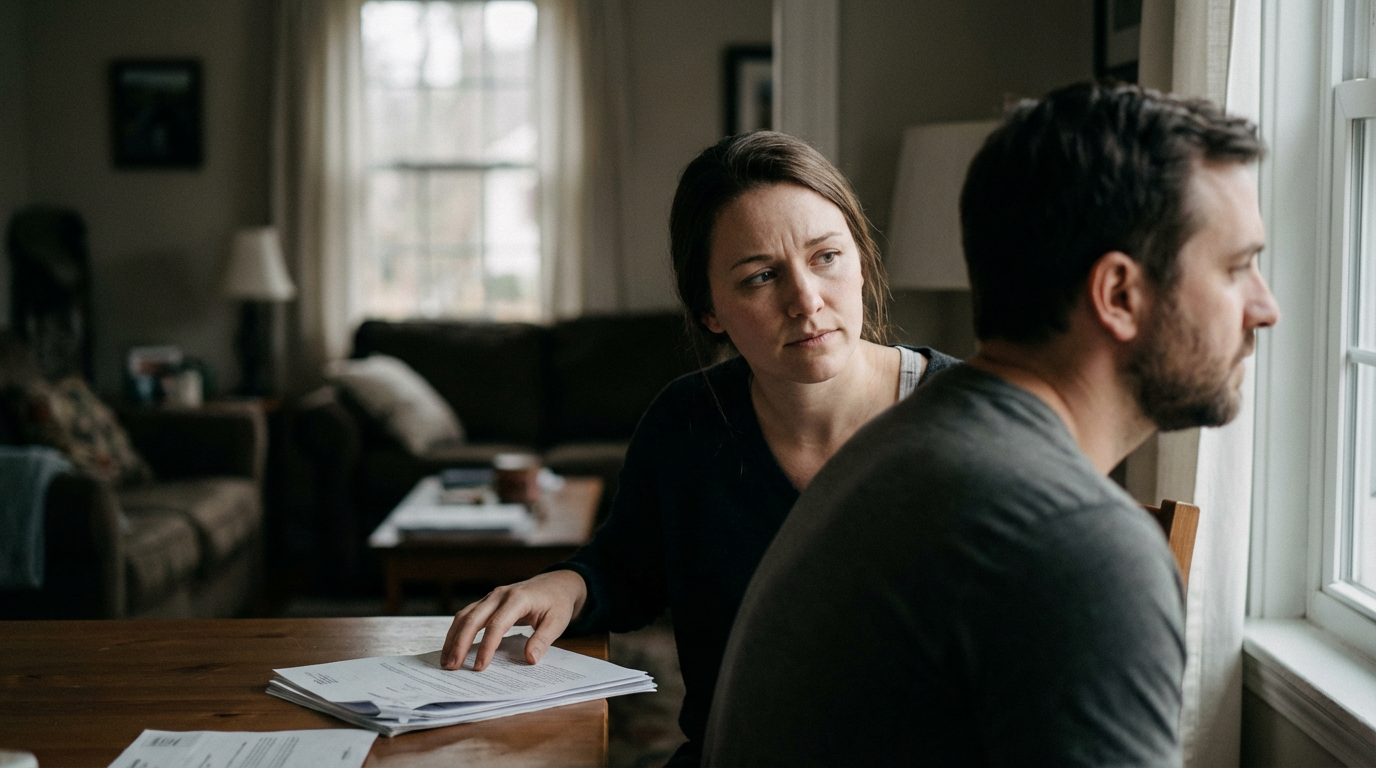
The Child Who Managed Your Parent's Feelings Is Still Managing Everyone's
Emotional parentification isn't just about doing too much as a kid — it rewires the boundary between your feelings and everyone else's, and the rewiring follows you into every room you enter as an adult.

The Kid Who Conformed to Survive Is the Adult Who Can't Disagree
Research on rejection-sensitive adolescents reveals a pattern more insidious than shyness: the systematic suppression of their own judgment — and it doesn't stop when childhood does.

Burnout Isn't Depression. Researchers Are Finally Serious About the Difference.
A sharp new debate among occupational researchers reveals that collapsing burnout into depression doesn't just get the diagnosis wrong — it gets the recovery completely backward.

Why Rejection Still Lands Like an Emergency, Even When You're Safe
New research suggests the adult who falls apart over mild criticism isn't fragile — they're running a perfectly calibrated survival system that just hasn't been updated yet.

Your Phone Is the Escape Route. That's Exactly the Problem.
A 90-day study tracking real phone behavior found that using your screen to escape bad feelings doesn't quiet the anxiety or the depression — it quietly locks them together.

Why Anxious People Worry on Purpose — And It Actually Makes Sense
New research suggests people with anxiety and depression actively sustain worry — not because they're weak, but because their nervous systems learned that hope hurts more than dread.

Why Emotionally Intense Childhoods Produce Adults Who Apologize Before Anyone Is Angry
Preemptive apology looks like anxious over-politeness, but it's often the residue of a specific early lesson: that getting ahead of disapproval was always cheaper than waiting for it to land.

Shame Doesn't Make You Try Harder. It Makes You Hide.
You thought the guilt would push you to act — but shame triggers the same avoidance spiral it was supposed to end.

You're Not Forgiving Too Slowly — You're Skipping a Step
Research on emotional processing suggests forgiveness doesn't stall because people won't let go — it stalls because they were never taught what has to happen first.

Why Your Brain Treats Uncertainty Like a Threat — Even When Nothing Is Wrong
Researchers have identified a cognitive style — not a mood, not a temperament — that predicts anxiety better than the content of what you're actually worried about.

"Closure" Is a Therapy Word That Therapy Never Actually Promised You
The clinical literature on grief never promised you a final emotional settling — and the pursuit of one is quietly keeping millions of people stuck.

The Child Who Made Themselves Easy Is the Adult Who Can't Ask for Anything
Children rewarded for being no trouble don't just learn to suppress their needs — they lose the internal signal that tells them the needs are there at all.

The Social Replay Loop That Runs Every Night Whether You Want It To
Post-event rumination feels like self-torture, but neuroscience is revealing it as something stranger: a misfiring threat-detection loop with a specific address in the brain.

Emotional Numbness Is Not the Absence of Feeling. It's a Full-Time Job.
Emotional numbness isn't a gap in your inner life — it's an active process your nervous system runs at full cost, which explains why feeling nothing can leave you completely drained.

Posting Something Personal Online Puts Your Nervous System in a Slot Machine
The pause between hitting send and the first like isn't dead time — it's an emotional architecture that platforms built on purpose, and it's quietly changing how you process approval, rejection, and the feeling of existing in front of others.

When BPD and Cruelty Combine, Recovery Requires a Different Map
Severe borderline presentations with antisocial features don't respond to the standard recovery narrative — and understanding why changes everything about what healing can realistically look like.

Your Parents Grew up in a Different Economy. That's What Makes Every Conversation so Hard.
The tension between generations isn't really about who's right about avocado toast — it's about two nervous systems that learned scarcity and security under completely different rules.

Splitting Isn't Cruelty. It's What Happens When the Brain Can't Hold Both.
The emotional whiplash that makes borderline personality disorder so hard to be close to isn't cruelty or calculation — it's what happens when the brain genuinely cannot hold contradictory truths at the same time.

Your Attachment Style Isn't Your Personality — It's Your Family's Old Weather
The behaviors people mistake for personality — shutting down, over-explaining, chasing reassurance — are often attachment patterns, and that distinction changes everything about whether they can shift.

"Emotional Labor" Has Been Stretched Until It Means Almost Nothing
Arlie Hochschild coined 'emotional labor' to describe something specific and fixable — and somewhere between the sociology department and your group chat, it became a word for any feeling that goes unnoticed.