All stories by
Leanne Ward
Leanne Ward writes about burnout, spirals, numbness, avoidance, coping, overload, and the quiet mechanics of getting through the day when your mind is not cooperating. Her work focuses on lived mental health with honesty, nuance, and zero appetite for fake healing slogans.
Burnout Hits Hardest at 25 Now. That Used to Be 42.
New workforce data shows peak burnout has shifted nearly two decades younger — and the culprit isn't screen addiction or generational softness but a structural mismatch your nervous system was never built to absorb.

One Bad Night's Sleep Doesn't Just Make You Tired. It Makes You Cruel.
A major 2025 review of 29 meta-analyses confirmed that sleep deprivation measurably destabilizes your emotions — and the neurological reason why is more specific, and more fixable, than you think.
When Your Brain Zones Out, It's Secretly Trying to Sleep
New research reveals that the blank moments after a bad night aren't attention failures — they're your brain triggering actual sleep episodes while you're still technically awake.
Burnout Doesn't Just Exhaust You. It Rewires Your Brain.
New neuroimaging research shows burnout leaves fingerprints on the brain itself — and understanding what those fingerprints are changes everything about how we think, treat, and talk about it.

Your Phone Knows You're Avoiding. Researchers Just Proved It.
A new study tracked GPS, texts, and screen time for three months and found that avoidance leaves measurable digital traces — but anxiety and depression leave completely different ones.

Rumination Isn't Overthinking. It's a Loop Your Brain Can't Find the Exit For.
New research suggests rumination isn't one problem but several — and that gap may explain why the same thought keeps winning.
You're Not Too Sensitive. You're Overstimulated. There's a Difference.
New research tracked sensitive people in real time and found their overload doesn't strike randomly — it builds in predictable daily arcs, which changes everything about how to handle it.

Burnout Doesn't Know It's Burnout. That's the Whole Problem.
After 50 years of research, scientists still can't agree on what burnout actually is — and that definitional fog lives inside the people trying to recognize it in themselves.

You're Not Faking Fine. You're Burning Through the Last of Your Resources.
A major 2025 meta-analysis found that pretending to feel emotions you don't is one of the fastest routes to depression — and the reason why changes everything about how you actually recover.

Your Brain on Burnout Is Running a Shutdown Protocol
Researchers studying burnout are finding that emotional blunting isn't collateral damage — it's an active defense your brain runs, and that changes everything about how you recover.
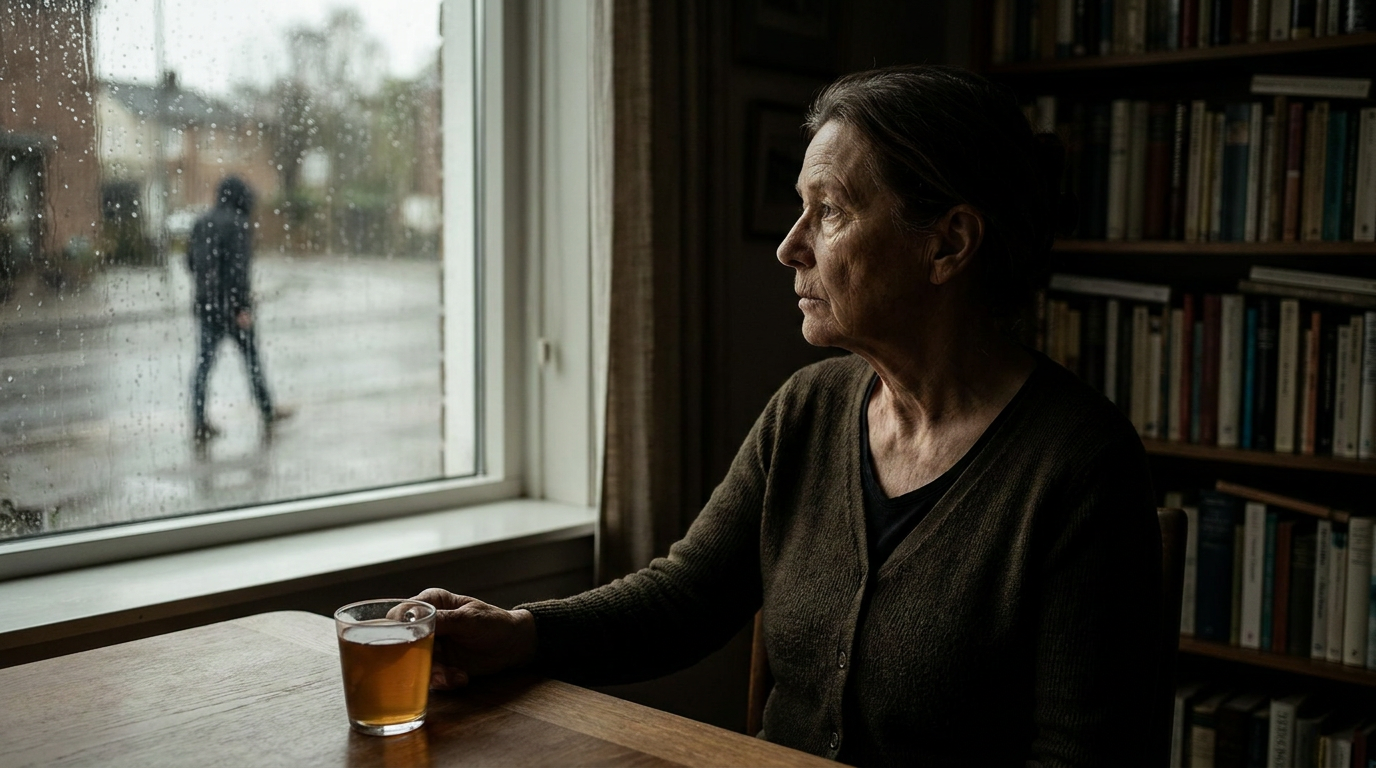
Loneliness Doesn't Make You Want People Less. It Makes You Afraid of Them.
Research is revealing that long-term loneliness doesn't just hurt — it quietly rewires how the nervous system reads other people, turning the cure into something that feels like danger.

The Exhaustion Isn't the Problem. The Suppression Is.
New research suggests it's not how much stress you're carrying that accelerates cognitive decline — it's what you do with it when no one's looking.
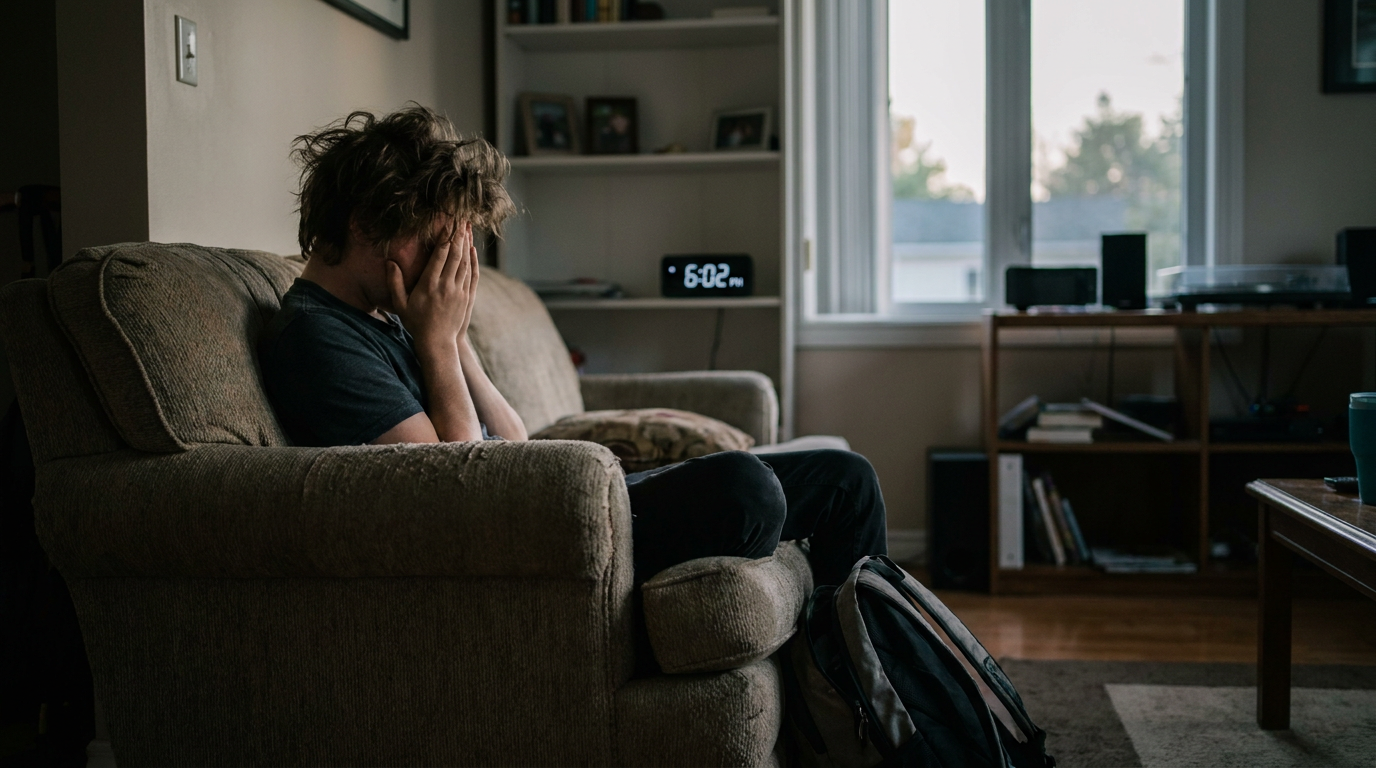
Overstimulation Doesn't Peak When Things Get Loud. It Peaks at 6 PM.
A new study tracked sensory overload across real weeks in real people, and what it found reframes the moment you think you fell apart.

Burnout Doesn't Feel Like Exhaustion. It Feels Like Nothing.
Emotional numbness in burnout now has a measurable neural signature — and what it reveals reframes one of the most misunderstood states in mental health.

Loneliness Isn't Waiting to Be Fixed. It's Actively Making Itself Worse.
Research now shows chronic loneliness doesn't just hurt — it distorts the social signals you need to escape it, which is why the standard fix makes the problem worse.

Your Antidepressant Is Working. So Why Do You Feel Nothing?
A large study on SSRI-induced emotional blunting found that feeling nothing isn't a sign your depression is back — it may be a sign your medication is doing precisely what it was designed to do.

Burnout Isn't Depression. Researchers Are Finally Serious About the Difference.
A sharp new debate among occupational researchers reveals that collapsing burnout into depression doesn't just get the diagnosis wrong — it gets the recovery completely backward.

Your Phone Is the Escape Route. That's Exactly the Problem.
A 90-day study tracking real phone behavior found that using your screen to escape bad feelings doesn't quiet the anxiety or the depression — it quietly locks them together.

Shame Doesn't Make You Try Harder. It Makes You Hide.
You thought the guilt would push you to act — but shame triggers the same avoidance spiral it was supposed to end.

Emotional Numbness Is Not the Absence of Feeling. It's a Full-Time Job.
Emotional numbness isn't a gap in your inner life — it's an active process your nervous system runs at full cost, which explains why feeling nothing can leave you completely drained.