All stories by
Mara Ellison
Mara Ellison writes about childhood patterns that echo into adult life, including attachment, temperament, rejection sensitivity, emotional learning, family roles, and the early social scripts people keep reenacting without realizing it. Her work focuses on developmental psychology with nuance, clarity, and unusual emotional precision.

Being Good at Groups Is Not the Same As Belonging to Them
A psychiatrist's new concept redraws the introvert-extrovert map — not by where you get your energy, but by whether you ever feel truly inside a group at all.

The Rejection Sensitivity Trap Everyone's Getting Wrong
Rejection sensitive dysphoria went viral as a neurobiological fact — but new research shows the school, the correction, and the repeated verdict of "wrong" helped build it.

The Family Scapegoat Grows up. The Role Doesn't Stay Home.
Childhood family roles — scapegoat, hero, lost child, caretaker — don't end when you move out; they migrate into adult life as invisible job descriptions you never agreed to keep.

The Child Who Raised the Adults Never Learned to Need Anyone
New research on parentification shows that the survival strategies emotionally burdened children build don't retire when childhood ends — they just find subtler places to run.

Your First Friendships Were a Rehearsal. A 30-Year Study Proves It.
A landmark 30-year study tracked 705 people from infancy to adulthood and found a second attachment curriculum running quietly alongside the parent-child bond — one that most developmental psychology coverage has barely touched.
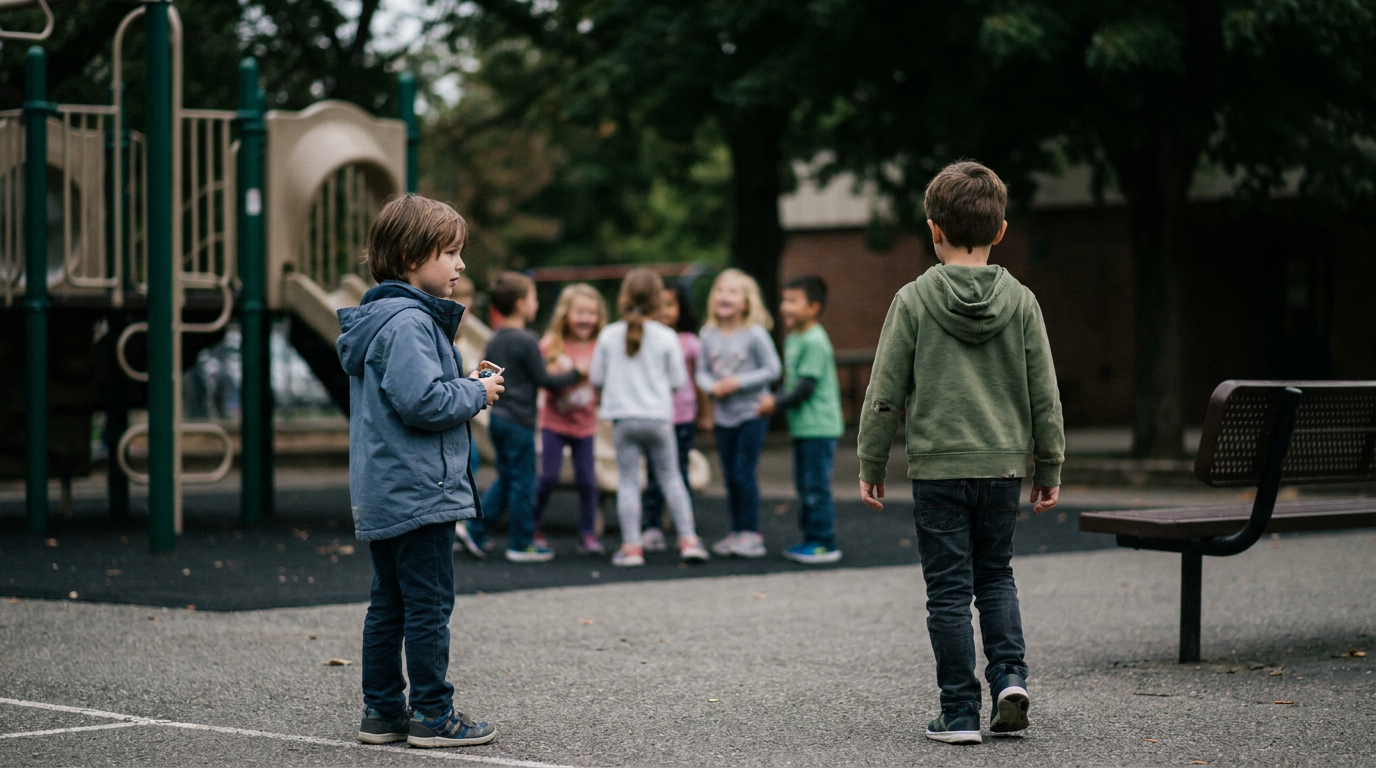
The Anxious Conformist and the Defiant One Are Both Running From Rejection
New research shows that fearing rejection and expecting rejection produce opposite behaviors in children — and the adult lives they build look nothing like each other.

RSD Isn't a Personality Flaw. Schools Are Helping Create It.
New research argues that rejection sensitive dysphoria isn't simply a trait some people are born with — it's a pattern that certain environments create, and that distinction quietly shifts who bears the responsibility.

The Family Caretaker Grew up. Now They're Exhausted in a Different House.
Adults who grew up managing their parents' emotional worlds don't leave that job behind — they import it into their marriages, and new research is finally tracing exactly how.

The Child Who Learned That Love Has Conditions Is Still Earning It
When parental warmth comes tied to performance or compliance, children don't just learn to work harder — they build a self-concept that keeps collecting the debt long after they've left home.
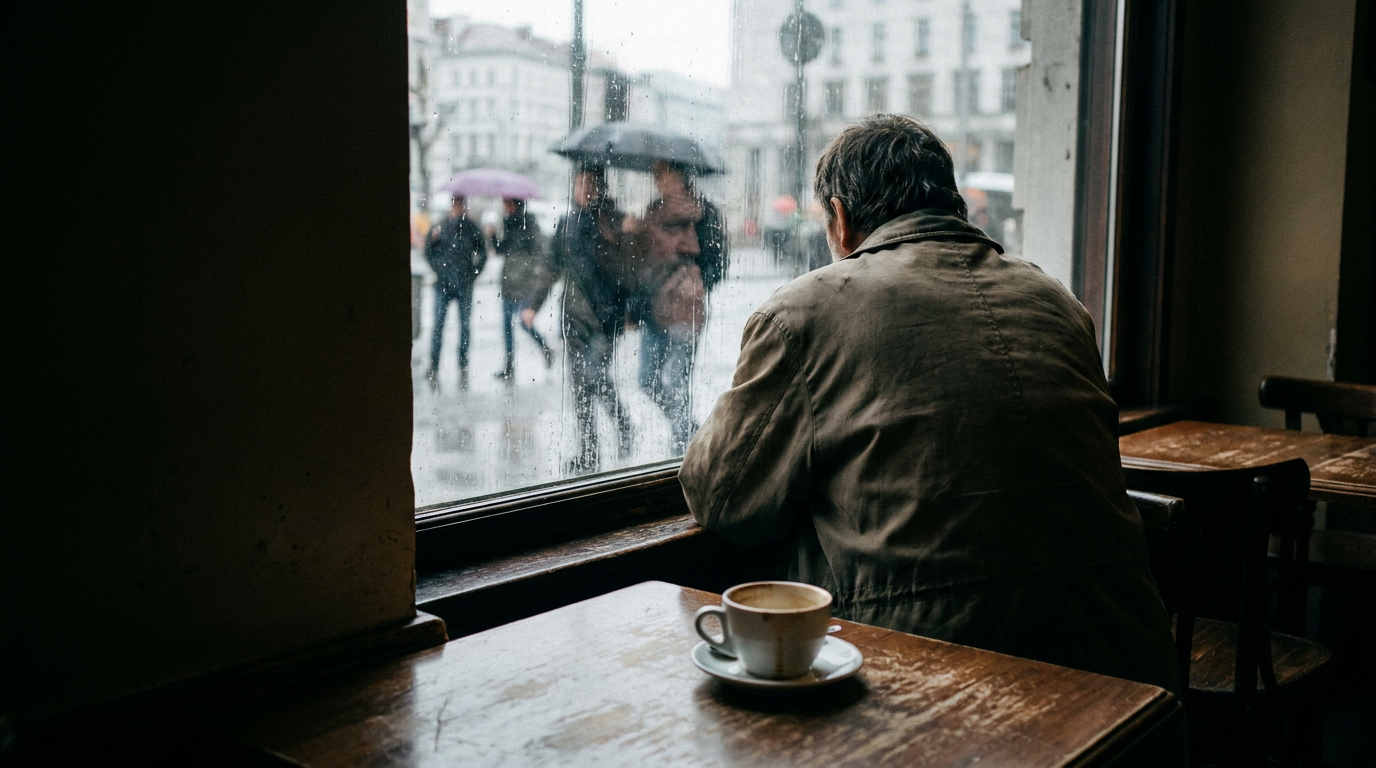
The Good Child Learned to Disappear. They're Still Doing It.
Research on rejection-sensitive children who conform to belong is revealing how early disappearing acts become so practiced they stop feeling like acts at all.

The Shy Baby You Were Is Still Deciding Who Gets to Know You
Longitudinal research tracking people from infancy to their mid-twenties suggests that the hesitant baby at the edge of the playground may still be quietly running the social decisions of the adult.

The Child Who Became the Family's Emotional Caretaker Didn't Choose It
Children who manage their parents' emotional lives don't just lose a childhood — they inherit a relational blueprint that can quietly run their adult relationships for decades.

Your Childhood Best Friend Shaped Your Adult Relationships More Than You Think
A 30-year study found that childhood friendship quality independently predicts adult relationship security — which means the attachment story we've been telling is missing a whole chapter.

Rejection Sensitivity Doesn't Start with a Broken Heart. It Starts with a Worried Child.
New research on rejection sensitivity's environmental roots reveals something most adults who carry it were never told: it wasn't a flaw they were born with, it was a strategy they built.

The Anxious Child Who Masked Everything Is the Adult Who Exhausts Themselves Hiding
New research on rejection sensitivity and neurodivergent adults reveals that masking isn't hardwired — it's a learned strategy built from childhood criticism, and it keeps collecting a toll long after the original threat is gone.
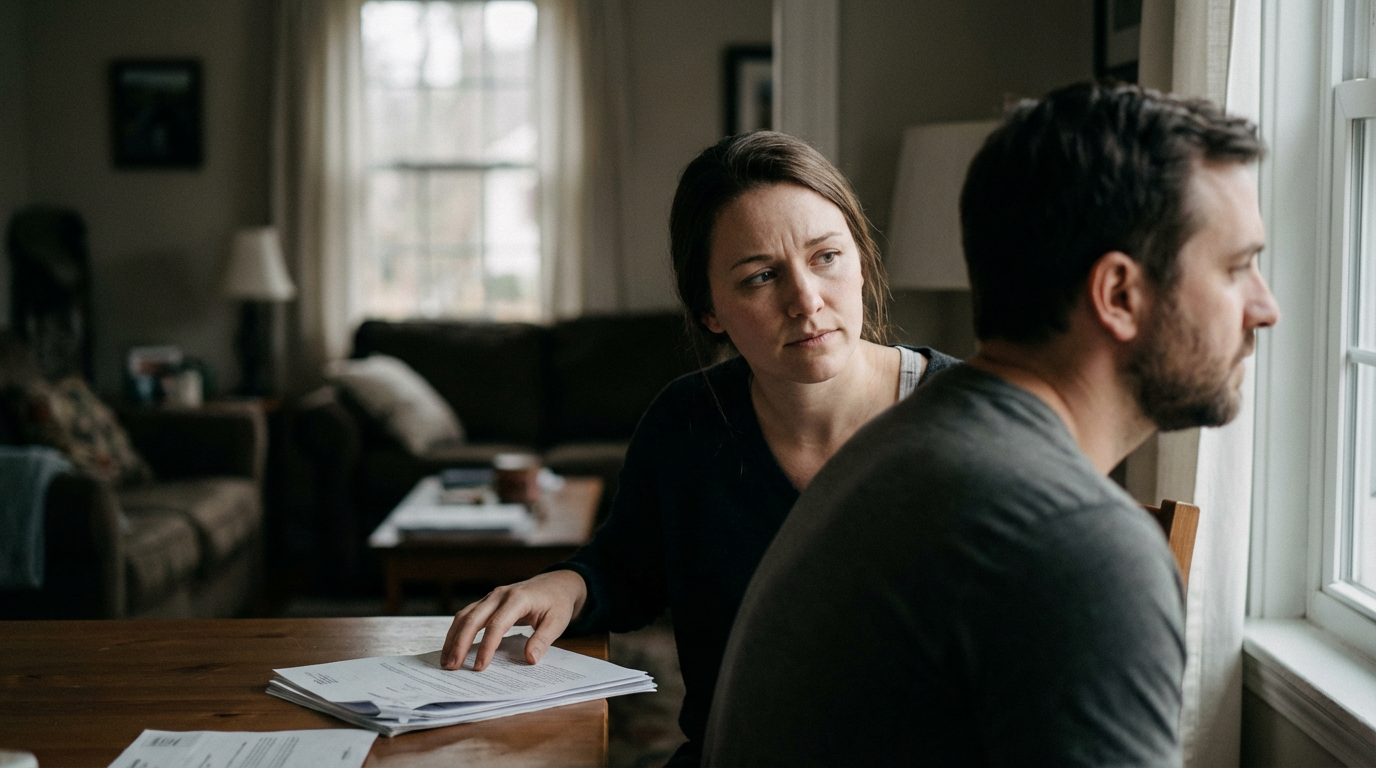
The Child Who Managed Your Parent's Feelings Is Still Managing Everyone's
Emotional parentification isn't just about doing too much as a kid — it rewires the boundary between your feelings and everyone else's, and the rewiring follows you into every room you enter as an adult.

The Kid Who Conformed to Survive Is the Adult Who Can't Disagree
Research on rejection-sensitive adolescents reveals a pattern more insidious than shyness: the systematic suppression of their own judgment — and it doesn't stop when childhood does.

Why Rejection Still Lands Like an Emergency, Even When You're Safe
New research suggests the adult who falls apart over mild criticism isn't fragile — they're running a perfectly calibrated survival system that just hasn't been updated yet.

Why Emotionally Intense Childhoods Produce Adults Who Apologize Before Anyone Is Angry
Preemptive apology looks like anxious over-politeness, but it's often the residue of a specific early lesson: that getting ahead of disapproval was always cheaper than waiting for it to land.

The Child Who Made Themselves Easy Is the Adult Who Can't Ask for Anything
Children rewarded for being no trouble don't just learn to suppress their needs — they lose the internal signal that tells them the needs are there at all.

Your Attachment Style Isn't Your Personality — It's Your Family's Old Weather
The behaviors people mistake for personality — shutting down, over-explaining, chasing reassurance — are often attachment patterns, and that distinction changes everything about whether they can shift.