All stories by
Sarah Jenkins
Sarah Jenkins writes about the stranger mechanics of the human mind — how memory actually forms and why some moments calcify into permanent record while others vanish, how grief operates as a prediction error, and why the brain's threat systems keep running long after the threat is gone. Her work brings neuroscience to experiences people recognize but couldn't explain.

You're Not Canceling Netflix. You're Taking Back Control.
A new consumer study reveals that people aren't cutting back on spending — they're fleeing a specific feeling, and psychology has a precise name for it.

Why Leaving the LDS Church Breaks People in Ways Other Faiths Don't
Research on former LDS members reveals not a clean departure, but a years-long psychological unraveling — one that other Western faiths rarely inflict at the same depth.
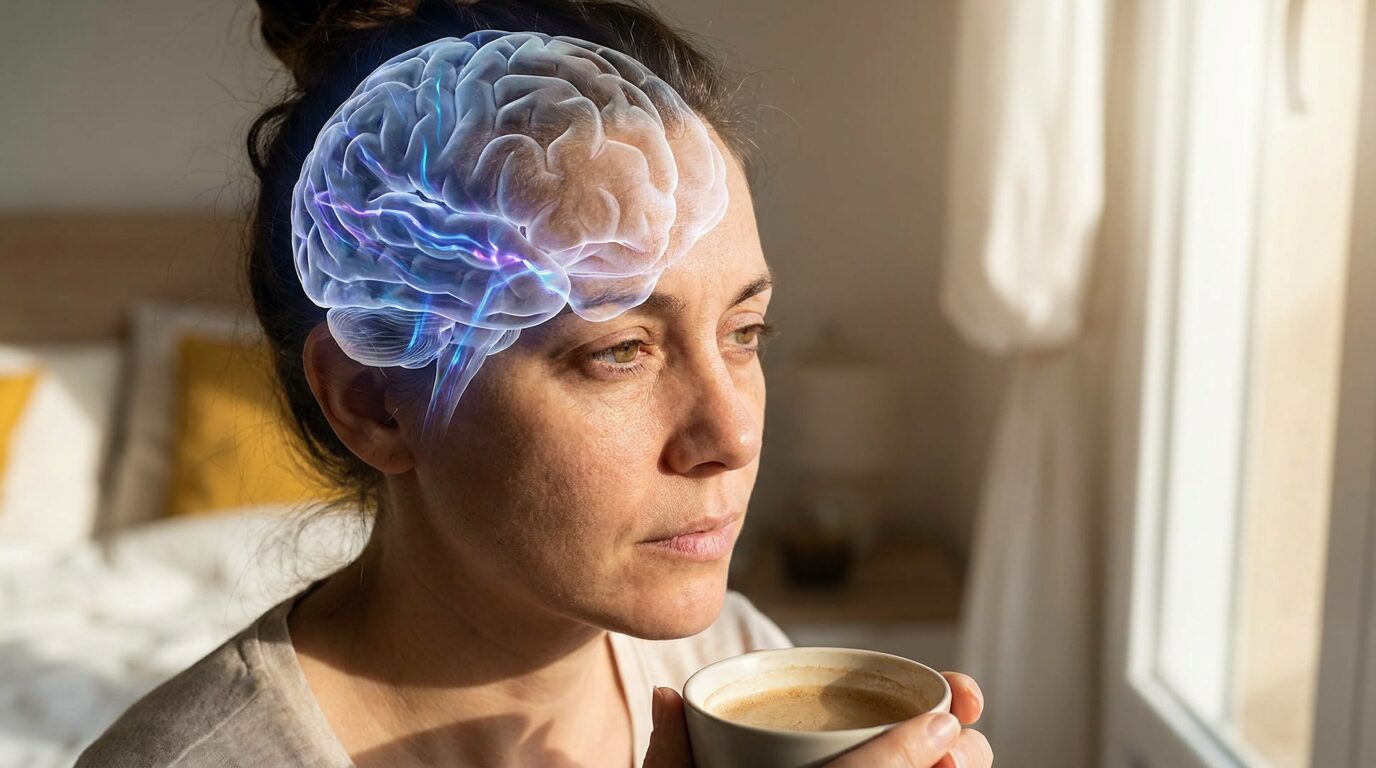
What Happens to Your Brain During One Sleepless Night—And Why Recovery Sleep Doesn't Fully Erase It
Brain scans after total sleep deprivation show measurable aging — but the reversal hiding inside one recovery night reveals something stranger about what chronic poor sleep quietly accumulates.

You Made up. So Why Are You Still Lying Awake Building the Case Against Them?
You said you were fine. Your amygdala filed a different report — and it's been building a case ever since.

Sleep Doesn't Just Store Your Memories. It Edits Them.
New research on targeted memory reactivation reveals that sleep doesn't just store what happened — it strips, reshapes, and re-files the emotional charge attached to your experiences.
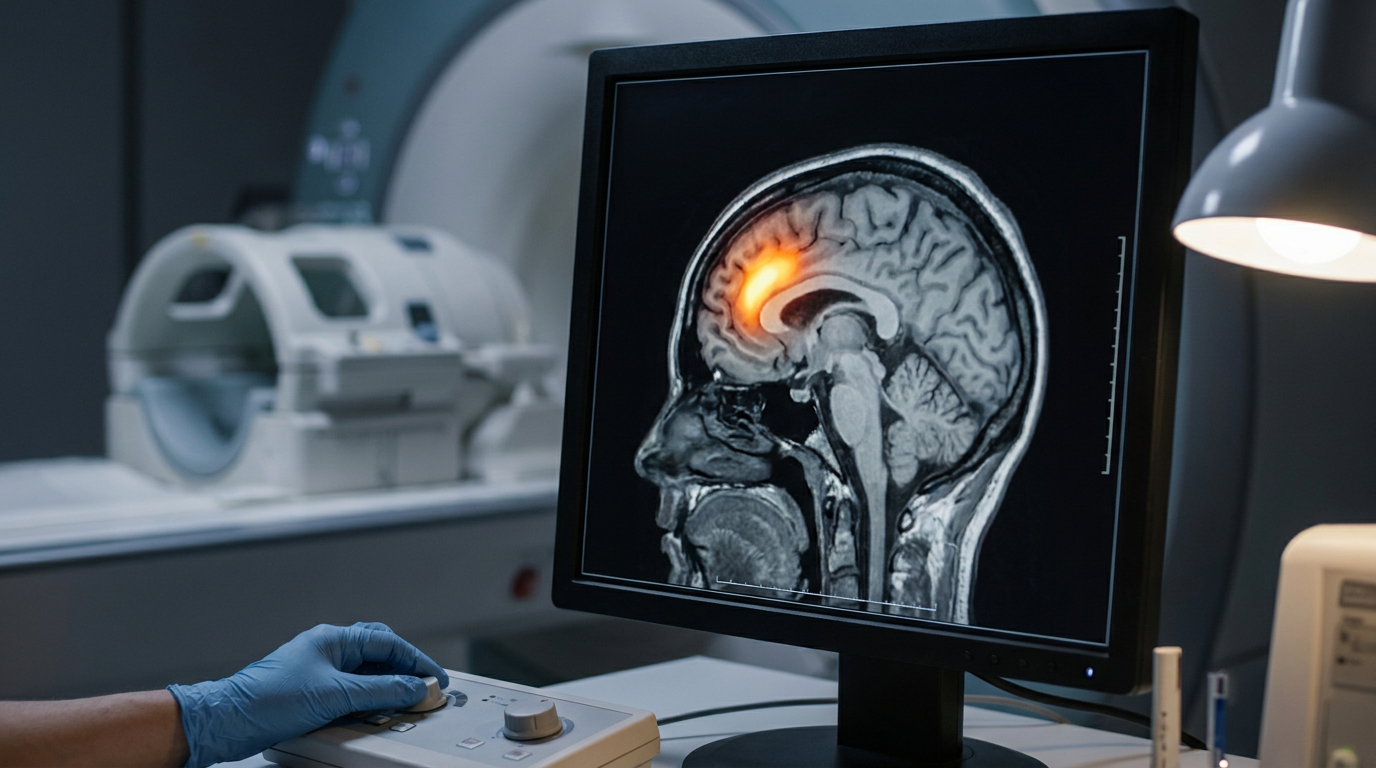
Your Brain Treats Rejection Like a Burn — And Now We Know Why It Learns From It
New brain imaging research reveals that the sting of rejection isn't just damage — it's your social navigation system quietly running an update.
Your Brain Is Still Looking for Them. That's What Grief Actually Is.
New neuroscience suggests grief isn't a sequence of emotional stages — it's a prediction-error crisis, and your brain is running a search it cannot cancel.

Your Brain Isn't Keeping Memories. It's Holding Auditions.
New research reveals that long-term memory isn't a snapshot — it's a slow biological negotiation happening in your brain for hours after an experience ends.

Worry Isn't Pessimism. It's Your Brain Trying to Stay Calm.
A model called Contrast Avoidance explains why anxious people sometimes prefer dread to hope — and why that changes everything about how we treat chronic worry.

Why Anxious People Worry on Purpose — And It Actually Makes Sense
New research suggests people with anxiety and depression actively sustain worry — not because they're weak, but because their nervous systems learned that hope hurts more than dread.

The Social Replay Loop That Runs Every Night Whether You Want It To
Post-event rumination feels like self-torture, but neuroscience is revealing it as something stranger: a misfiring threat-detection loop with a specific address in the brain.

Your Parents Grew up in a Different Economy. That's What Makes Every Conversation so Hard.
The tension between generations isn't really about who's right about avocado toast — it's about two nervous systems that learned scarcity and security under completely different rules.

Every Time You Remember Something, Your Brain Quietly Rewrites It
Memory reconsolidation isn't just how you forget — it's how your brain has been editing your autobiography for years, and the self you think you've always been is partly a work of ongoing fiction.

You Don't Lose Yourself in a Crowd. You Find a Different Version.
The old story said crowds hijack your brain and erase your identity — new research using mobile EEG and real-world protest data suggests the opposite might be true.