Astronomy & The Universe
New discoveries, cosmic mysteries, violent physics, and the ever-expanding map of the universe.
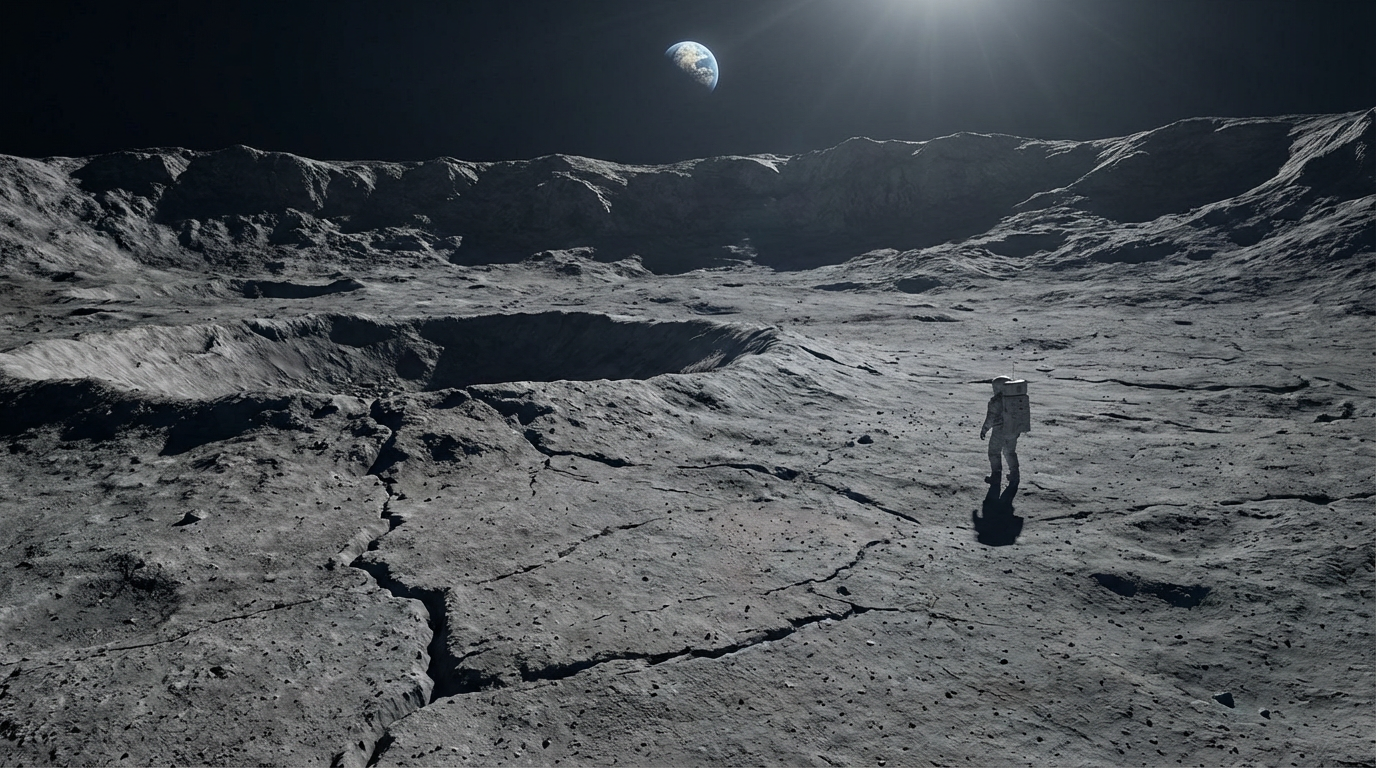
The Moon Has a Scar the Size of a Continent — And We've Never Explained It
The South Pole–Aitken Basin is 2,500 kilometers wide, ancient beyond easy reckoning, and quietly resisting every model scientists have built to explain it.

The Pentagon's UAP Videos Show Something Real — Just Not What You Think
The infrared footage is authentic, the pilots were credible, and the phenomena are genuinely unresolved — but the sensors recording them have limits most analysts never mention.
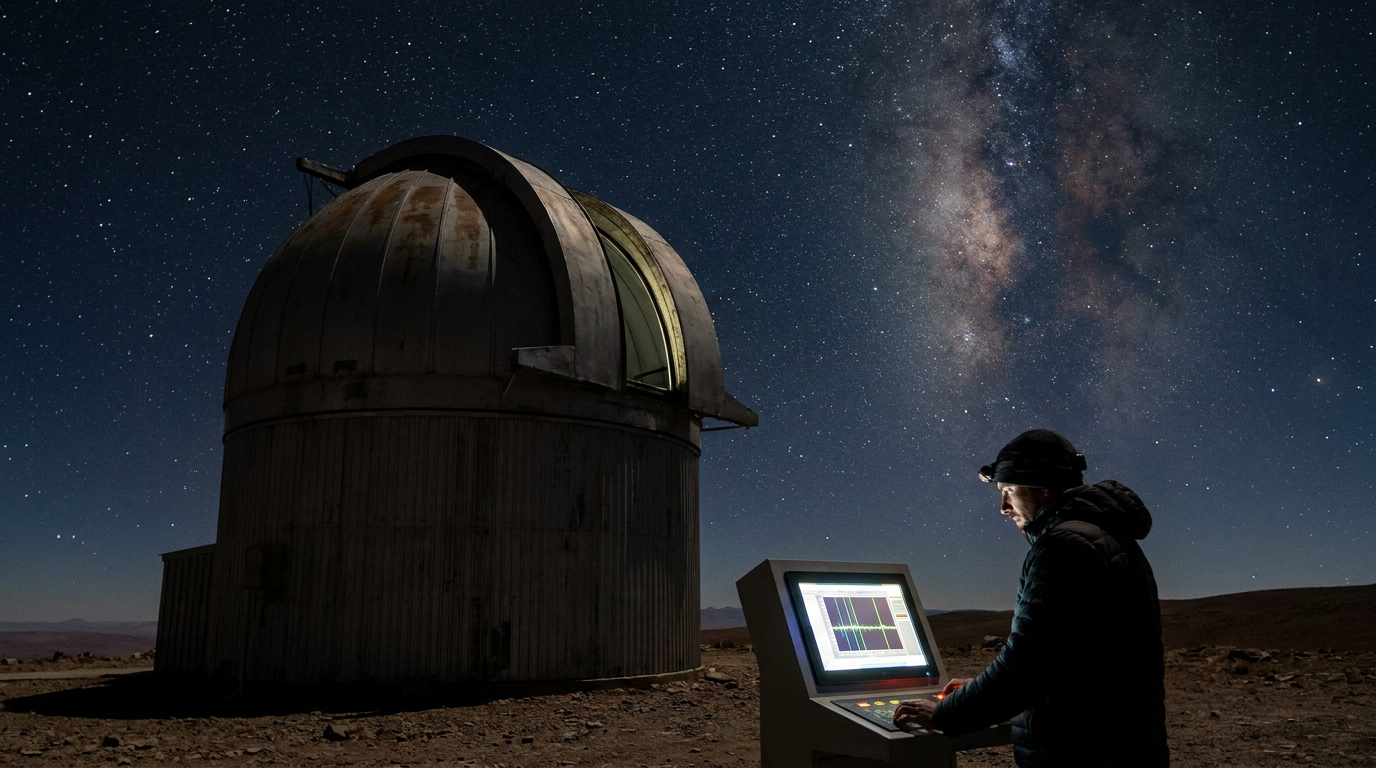
Ghosts of the First Stars: What Ancient, Metal-Poor Suns Are Telling Us About the Universe's Earliest Chemistry
A small population of stars in the Milky Way's outer halo carries chemical signatures from before the universe knew how to make iron — and what spectrometers are finding in them is forcing a rethink of how fast the early cosmos grew complex.

This Star Is Older Than the Universe — And the Math Might Be Right
HD 140283 has been clocking in at 14-plus billion years old, which is a problem, because the universe is only 13.8 billion — and resolving that contradiction is quietly rewriting how we measure cosmic time.
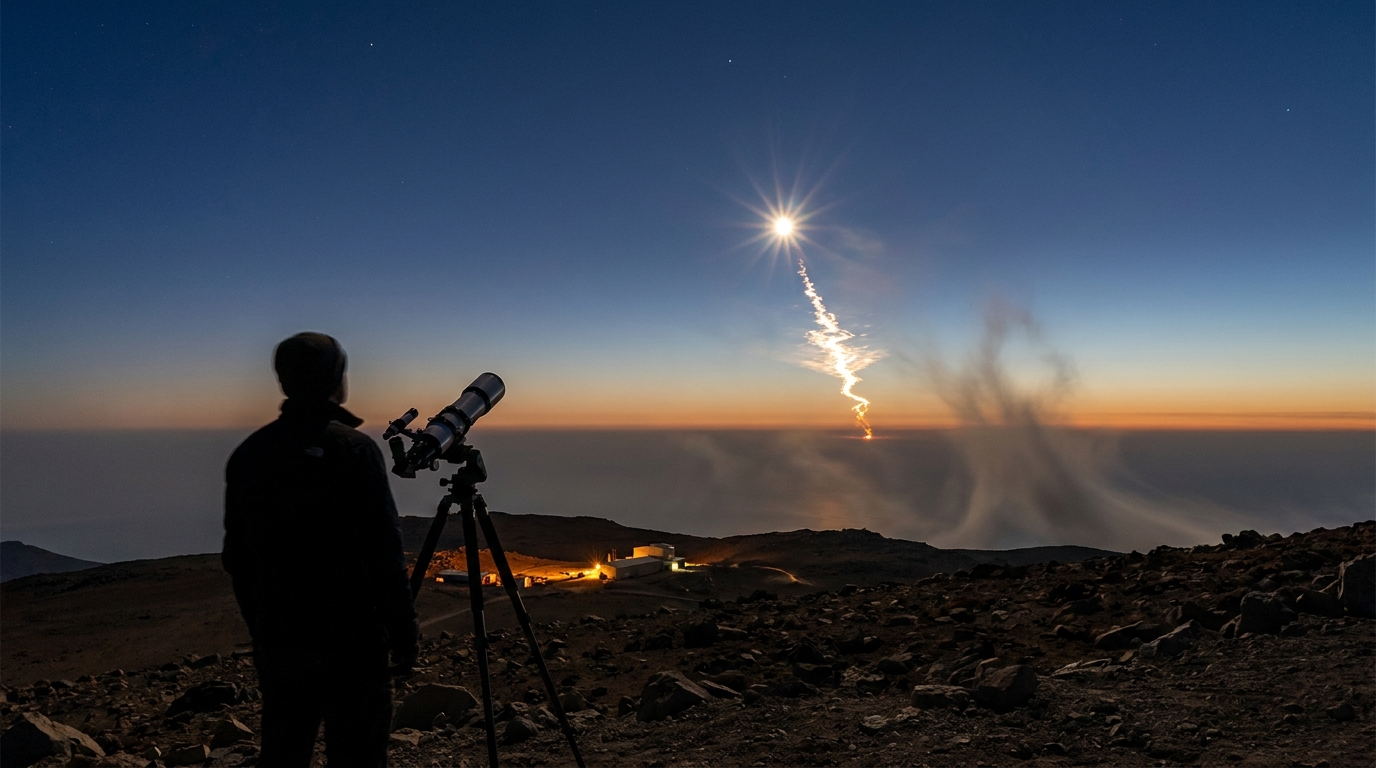
Stars Twinkle. Planets Don't. The Difference Is Your Atmosphere.
The shimmer you see on a clear night has nothing to do with the stars themselves — it's a live readout of the turbulent air column sitting between you and the cosmos.
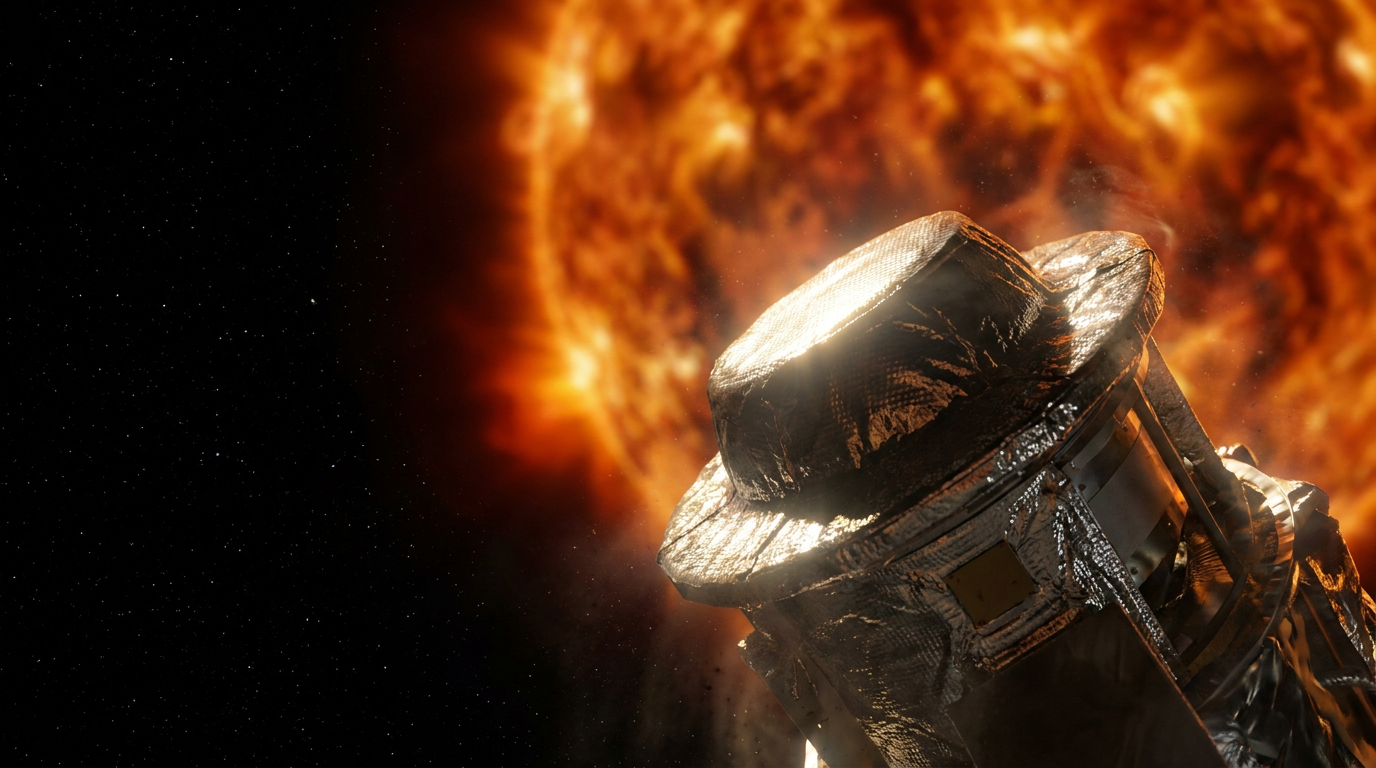
The Sun's Surface Is 5,500°C. Its Atmosphere Is 2,000,000°C. Something Is Wrong.
Solar physicists have known about the corona's impossible heat for eighty years, and a spacecraft now flying closer to the sun than any instrument before it is finally close enough to catch the culprit in the act.
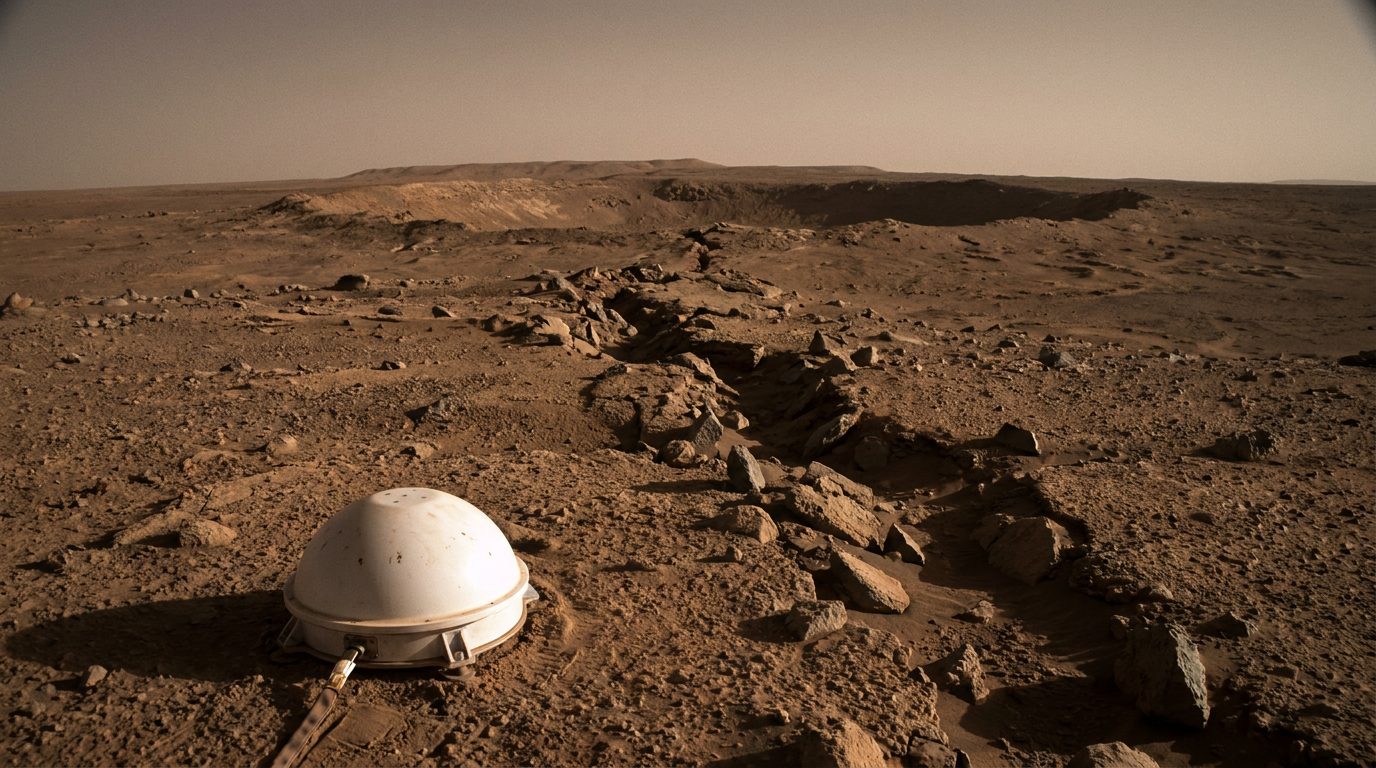
Mars Is Still Cracking Apart — And InSight Heard It Happen
NASA's InSight lander spent four years listening to the interior of Mars, and what it found suggests rocky planets don't die quietly — they contract, fracture, and quake for billions of years after their engines cool.
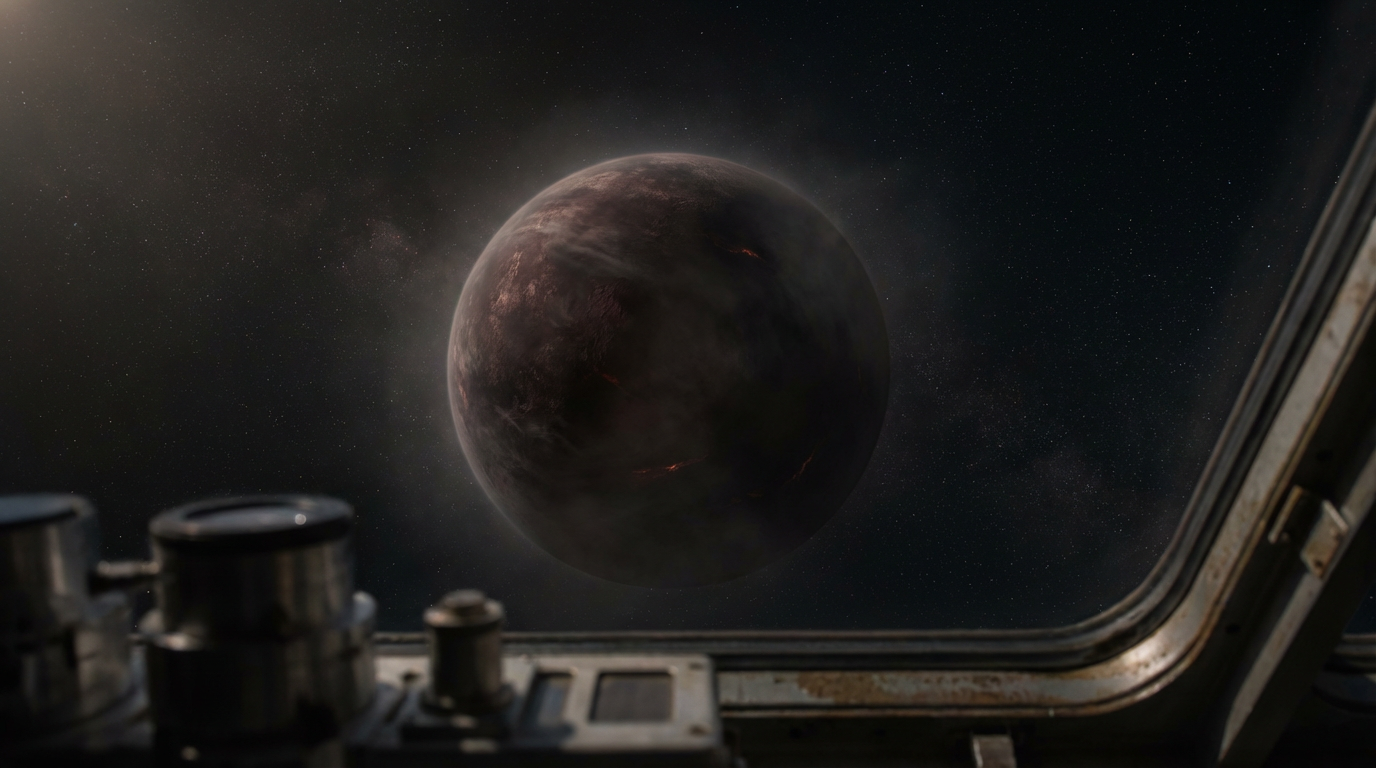
No Star Required: How Rogue Planets Could Hold Liquid Water in the Dark
Planets flung into interstellar space were assumed to be dead on arrival — but geothermal heat and hydrogen-rich atmospheres may keep some of them warm enough for liquid water, billions of miles from any sun.